
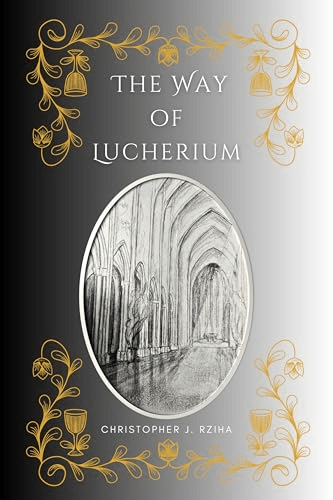
Most dystopias begin with a bang. This one begins with a whisper and a raid gone horribly right. The Way of Lucherium isn’t a march through dystopian tropes—it’s a meditation on what happens when you start questioning who the real enemy is, only to discover that it might be your own unquestioned allegiance.
Geoffrey, a Committee-appointed bard, finds his voice only after he’s lost everything. It’s almost poetic justice that he ends up face-first in Muckland, a sewer of discarded citizens and forgotten ideals. There, he meets shadows who feed the dying and risk everything for unnamed reasons. Their kindness is dangerous, their food illegal, and their names off-limits.
The real magic of this book isn’t Lucherium, the power source that fuels the Committees and their order—it’s what happens when that power is disrupted. It’s not external destruction that’s terrifying; it’s the internal crumbling of a worldview. That’s what makes this novel quietly explosive.
You don’t get tidy answers here. You get moral unease. You get invitations instead of instructions. And you get the creeping realization that the man you thought was dead may be the only one who ever lived freely.
In the end, The Way of Lucherium is a reminder that fiction doesn’t have to shout to be revolutionary. Sometimes, it only has to whisper in a forgotten alley, with a piece of bread and a spark of memory.
Book World Front Award
This book is a winner of the Book World Front Award, an accolade that celebrates extraordinary literature from around the globe. It honors stories that bring universal themes to life and resonate across cultures. Aligned with our mission to explore the world through words, this award spotlights voices that inspire, connect, and showcase the power of global storytelling—where every story takes center stage.
We’d love to hear from you!
What are your thoughts on this piece? Share your insights in the comments below!
- What stood out to you most about this post?
- Have you read a book recently that relates to the themes discussed here?
- What’s your favorite takeaway or reflection from this write-up?
Let’s keep the conversation going—your thoughts make this space richer!
Disclaimer: The content on this site is provided for informational and inspirational purposes only. While we strive for accuracy, the views expressed in reviews, articles, and recommendations are subjective and may not reflect the opinions of all readers.
We receive complimentary copies of all books we review. However, this practice does not compromise the integrity or honesty of our reviews. Every write-up reflects the contributor’s genuine impressions and critical analysis, ensuring transparency and trust with our readers.
For a complete understanding of our practices, please refer to our full Disclaimer, Privacy Policy, and Terms of Service. These documents outline how we manage your information, ensure transparency, and uphold your rights as a user.
To request for a review, to nominate your favorite book for an award, or for more details about our awards, click here.
Other Stories
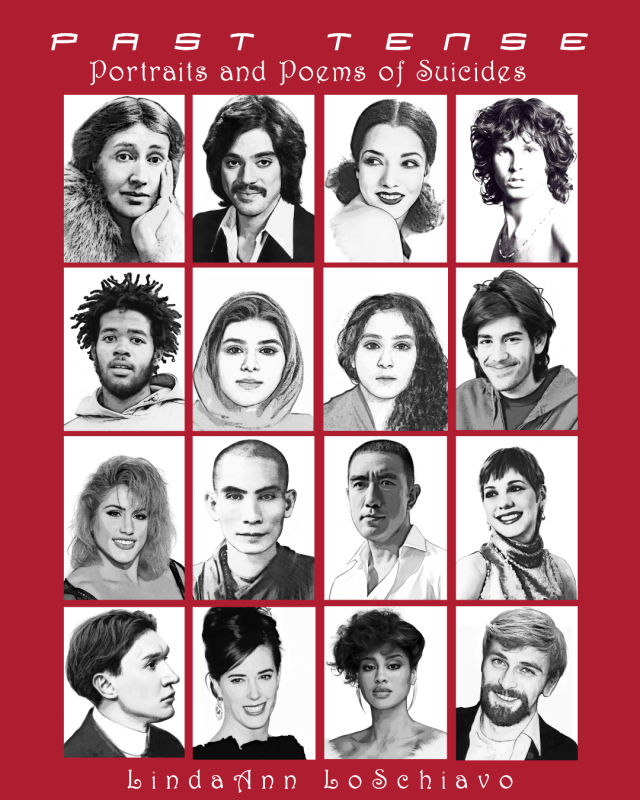
Past Tense by LindaAnn LoSchiavo
Can twenty-three different poetic forms make silence speak without pretending to know everything? Past Tense by LindaAnn LoSchiavo invites readers to investigate through poetry together.

Rajat Chohda: Exploring Conscious Living Through Reflection and Everyday Practice
Can a question about an ordinary family conversation change how you define success? Rajat Chohda explores this journey through his experiences, ideas, and writing; read the full interview to discover.
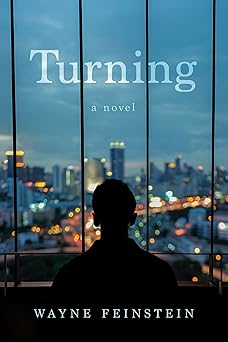
Turning by Wayne Feinstein
What if the loudest room you’ve ever entered was your own memory? Discover how Turning by Wayne Feinstein explores that unexpected question in our full review.


