What if the most important conversations we ever have with children happen during the quiet moments—when no one is trying to teach, but someone dares to wonder aloud?
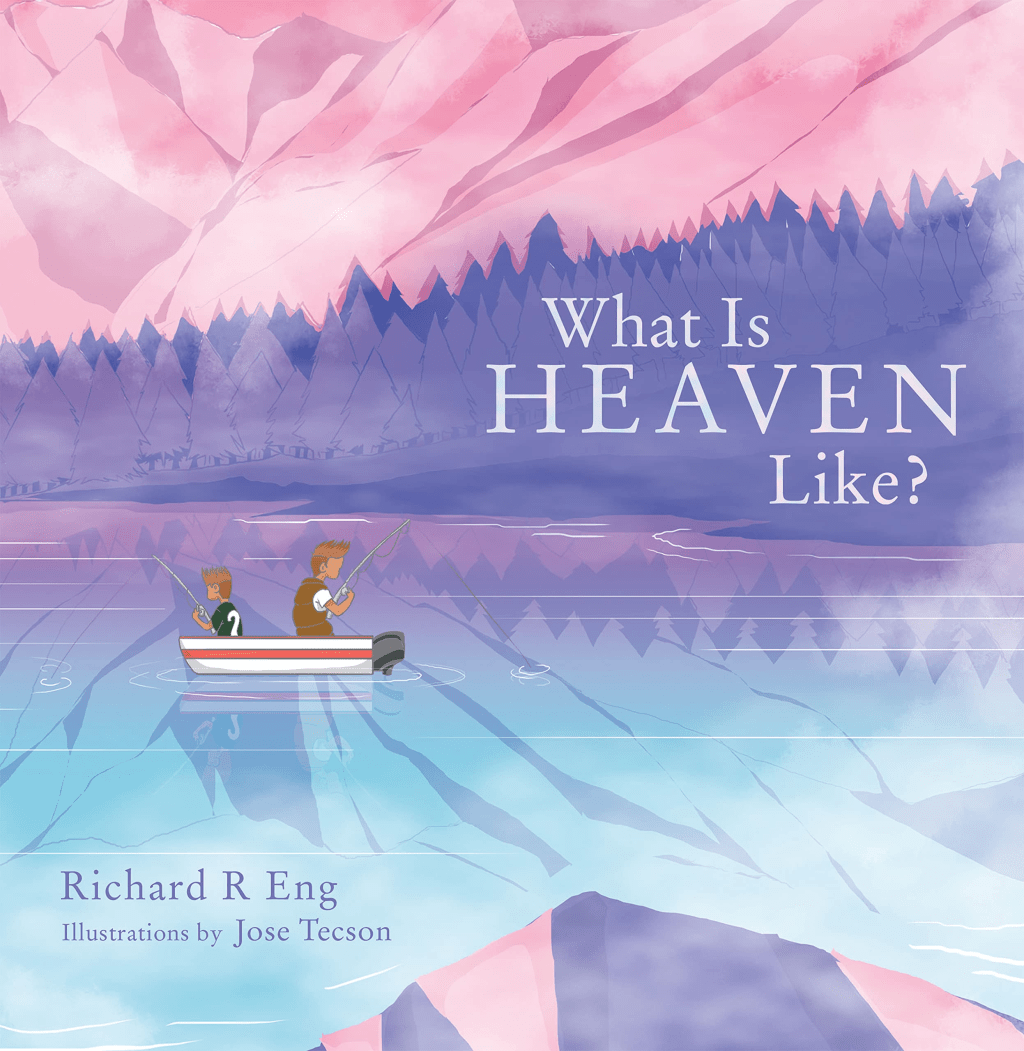
What Is Heaven Like? by Richard R. Eng is not a typical children’s book. There are no wacky animals, no rhyming spells, no cleverly disguised alphabet lessons. Instead, there’s fog, stillness, and a fishing line held by a six-year-old boy named Jesse. The story unfolds over the course of a single morning, and yet it reaches into the most abstract territory a child could explore: What comes after this life?
At first glance, the book is deceptively simple. A child asks, his father answers, and they share a peaceful morning together. But beneath that simplicity is something intricate—an exploration of longing, clarity, purpose, and what it means to live a good life. Jesse’s curiosity isn’t scripted for cuteness; it’s authentic. He wonders aloud whether heaven is boring, whether it’s full of clouds or full of light, whether we’ll do chores or dance through galaxies. The father doesn’t laugh off the questions or brush them aside. Instead, he answers with metaphors pulled straight from the world around them: the dimness of fog, the jump of a fish, the feel of a tug on a line. These are answers a child can hold on to.
The dialogue invites the reader to slow down. This is not a bedtime story designed to make a child sleepy, but one that might keep a parent and child talking long after the last page is turned. The illustrations by Jose Tecson reinforce that tone—soft, cool, sometimes hazy, never flashy. They match the mood of the lake, the softness of morning light, the tenderness between a father and son speaking beyond their years.
One of the book’s more striking features is how it repositions the idea of work. Where most children’s stories portray work as something to escape, this one dares to present it as something to long for—if only we could understand it differently. That conversation, likely to fly over some heads on the first read, becomes more meaningful the older the child gets. It’s a subtle preparation for the idea that meaning isn’t always found in escape, but often in effort that feels right.
Of course, the book is framed within a Christian worldview. Heaven is not a vague, abstract realm here—it is tied to God, to worship, and to the hope of restoration. For families already aligned with that vision, this book will feel like a gentle mirror. For others, it may offer a thoughtful window. Either way, it’s not preachy. It’s a conversation. And it never forgets its audience is children—children who may not yet know theology, but who certainly understand what it feels like to wonder, to wait, and to wish for something better.
This book won’t be for everyone. Children who need high stimulation or quick punchlines may not engage with it. But for the quieter child—the thinker, the dreamer, the one who watches shadows move across a wall and wonders where they go—this book might feel like home.
What Is Heaven Like? doesn’t aim to dazzle or convert. It simply asks you to listen. Not just to the words spoken aloud, but to the longings we all carry, even when we’re too young to name them.
Excellence in Literature Award
The Excellence in Literature Award is a tribute to the timeless power of storytelling. We recognise works that transcend fleeting trends—books that resonate deeply and linger long after the final page. Whether bold and boundary-breaking or quietly powerful, these stories reflect true literary excellence.
This award encompasses a wide literary landscape—from genre fiction to poetic reflections, from contemporary gems to historical epics. At its heart, it celebrates writers who demonstrate mastery, originality, and the ability to connect with readers on a meaningful level.
We’d love to hear from you!
What are your thoughts on this piece? Share your insights in the comments below!
- What stood out to you most about this post?
- Have you read a book recently that relates to the themes discussed here?
- What’s your favorite takeaway or reflection from this write-up?
Let’s keep the conversation going—your thoughts make this space richer!
Disclaimer: The content on this site is provided for informational and inspirational purposes only. While we strive for accuracy, the views expressed in reviews, articles, and recommendations are subjective and may not reflect the opinions of all readers.
We receive complimentary copies of all books we review. However, this practice does not compromise the integrity or honesty of our reviews. Every write-up reflects the contributor’s genuine impressions and critical analysis, ensuring transparency and trust with our readers.
For a complete understanding of our practices, please refer to our full Disclaimer, Privacy Policy, and Terms of Service. These documents outline how we manage your information, ensure transparency, and uphold your rights as a user.
To request for a review, to nominate your favorite book for an award, or for more details about our awards, click here.
Other Stories

Reimagining Life Through Words and Service with Debra J. White
What happens when life’s hardest blows lead to unexpected purpose? Discover how Debra turned trauma, recovery, and rescued animals into writing and volunteer work that inspires resilience and connection.
The Half That Runs by Luz Schweig
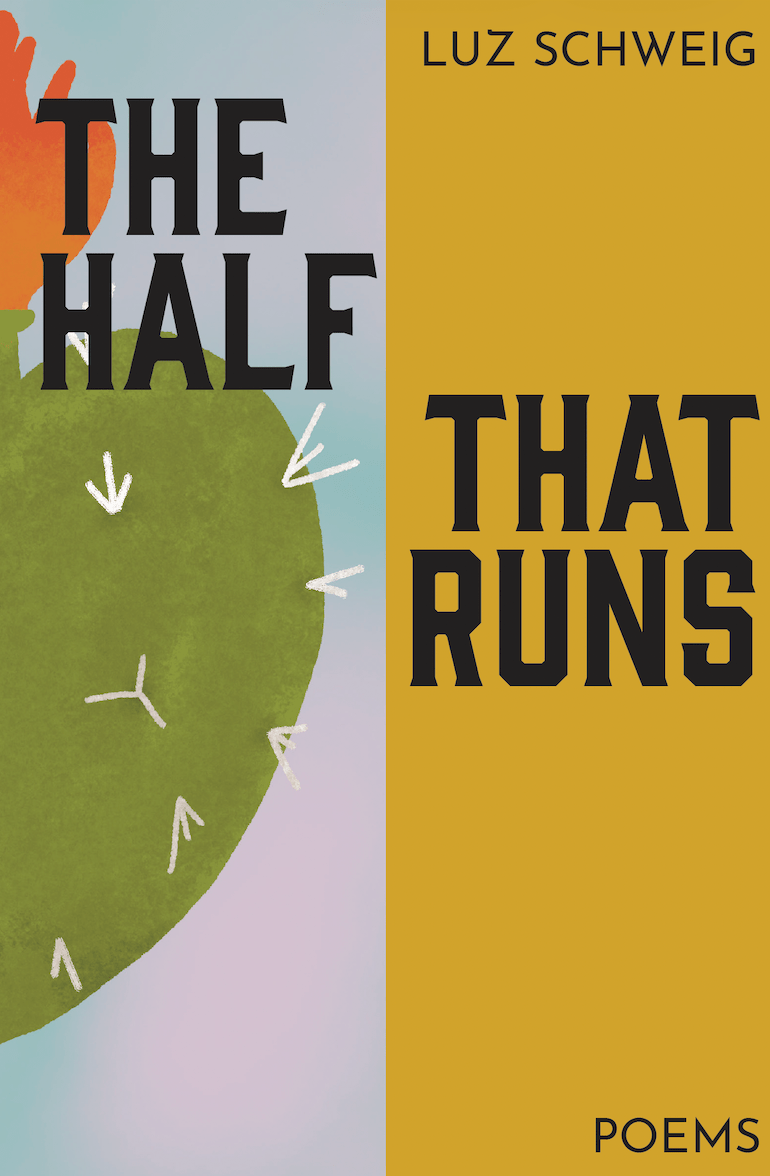
What if your memories had a geography—one that kept shifting under your feet like sand? Discover how The Half That Runs by Luz Schweig maps identity—read the full piece.
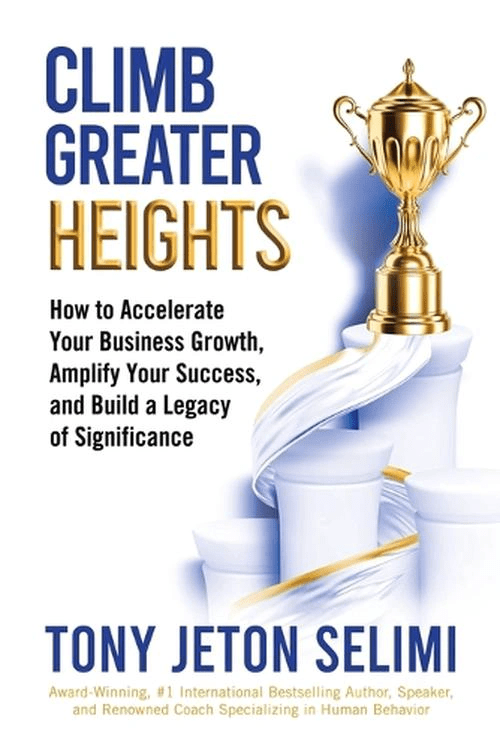
Book Review: Climb Greater Heights by Tony Jeton Selimi
What if your biggest business obstacle isn’t competition but something invisible within you? Discover the answer in Climb Greater Heights by Tony Jeton Selimi—read the full review to explore.

 OneTribune