
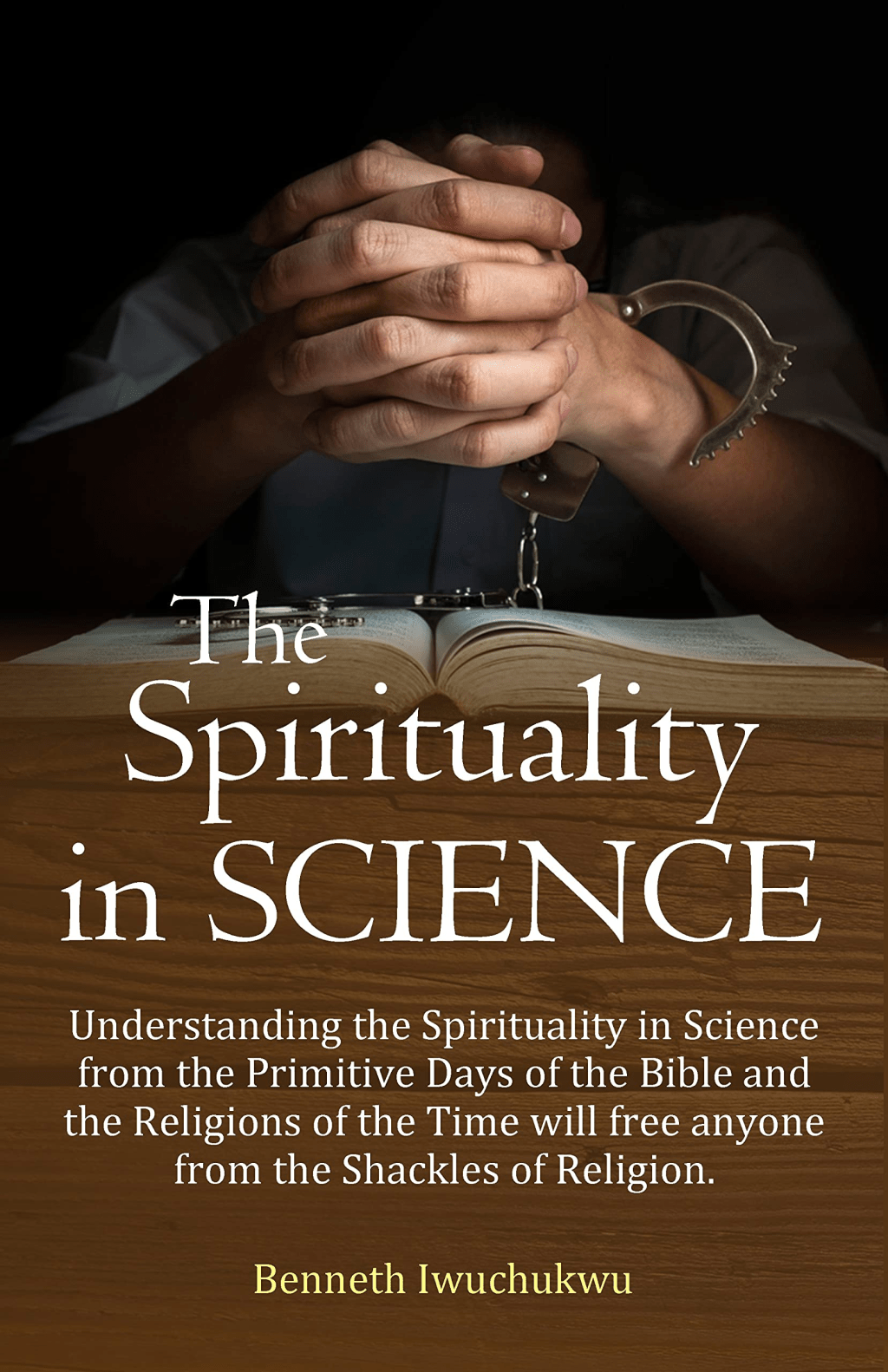
Goodreads link: https://www.goodreads.com/book/show/62593969-the-spirituality-in-science
If you’re looking for a feel-good, affirming read on how we can all achieve enlightenment through ancient spiritual practices, then Benneth Iwuchukwu’s The Spirituality in Science might just be the book that shakes the very foundations of your beliefs. This isn’t a story of gentle wisdom or spiritual calm—it’s a raw manifesto about tearing down everything we’ve ever known about God, religion, and spirituality in favour of something new, something radically different.
The premise is as bold as they come: spirituality, in its conventional sense, is a hoax. Yes, a hoax. Iwuchukwu doesn’t just question spirituality’s relevance; he categorically dismisses it as an obsolete, primitive indulgence that does little more than hold humanity back. Where most people turn to faith and mysticism for meaning, Iwuchukwu insists that we have all the power we need inside us—if only we would stop praying and start using our brains.
The human mind is a “microcomputer,” more powerful than any deity or mythical being. According to Iwuchukwu, it’s through science—not prayer—that we will achieve immortality, conquer death, and ascend to godhood. Spirituality, in this book, is not only unnecessary; it is actively counterproductive to humanity’s progress.
But here’s where things get truly interesting (and uncomfortable for some). Iwuchukwu doesn’t stop at dismissing spiritual practices—he argues that traditional religions, particularly Christianity, have misled us for centuries. The miracles of Christ? They’re not supernatural acts of divine intervention. They’re advanced science, not unlike what we might be able to replicate in a laboratory today. And the resurrection of Christ? That’s humanity’s future—a prototype for biological immortality that will eventually be achieved through scientific advances, not faith.
At its core, this book presents a daring philosophical argument: humanity’s true potential is not in worship or obedience to higher powers but in our ability to use our intellect, our capacity for reasoning, and our knowledge of science to transform ourselves and our world. The author proposes Kingdomainity—a new way of life that is entirely grounded in science, technology, and the belief that humans are on the brink of achieving godhood through intellectual and technological mastery.
So, what do you get when you combine bold predictions about the future, a complete rejection of spiritual practice, and a call for an intellectual revolution? You get The Spirituality in Science, a book that’s as much a challenge to traditional ways of thinking as it is a manifesto for the future.
But is this book a revelation or a radical overreach? It’s hard to say. On one hand, the idea that humanity could achieve immortality through scientific advancements is undeniably exciting—science fiction come to life. On the other, the author’s complete disregard for the value of spirituality and faith leaves many unanswered questions about what it means to be human. Is the purpose of life really just to unlock the full potential of our brains? Can we truly abandon spirituality, or does it serve a different, more intangible purpose that science can’t address?
This is a book that forces you to think. It doesn’t give easy answers; it offers new questions. If you’re brave enough to take it on, it may make you rethink everything you’ve ever been taught about life, death, and what it means to be human.
Booknomad Tales Five Stars Award

This book is a winner of the Booknomad Tales Five Stars Award, an accolade that reflects the mission of Booknomad Tales: to explore literature that resonates universally, while celebrating the distinct voices that make global storytelling so vibrant. Whether it’s a contemporary novel, a poignant memoir, or an evocative collection of poetry, award-winning books embody the heart and soul of what it means to be a nomad of the literary world.
We’d love to hear from you!
What are your thoughts on this piece? Share your insights in the comments below!
- What stood out to you most about this post?
- Have you read a book recently that relates to the themes discussed here?
- What’s your favorite takeaway or reflection from this write-up?
Let’s keep the conversation going—your thoughts make this space richer!
Disclaimer: The content on this site is provided for informational and inspirational purposes only. While we strive for accuracy, the views expressed in reviews, articles, and recommendations are subjective and may not reflect the opinions of all readers.
We receive complimentary copies of all books we review. However, this practice does not compromise the integrity or honesty of our reviews. Every write-up reflects the contributor’s genuine impressions and critical analysis, ensuring transparency and trust with our readers.
For a complete understanding of our practices, please refer to our full Disclaimer, Privacy Policy, and Terms of Service. These documents outline how we manage your information, ensure transparency, and uphold your rights as a user.
To request for a review, to nominate your favorite book for an award, or for more details about our awards, click here.
Other Stories
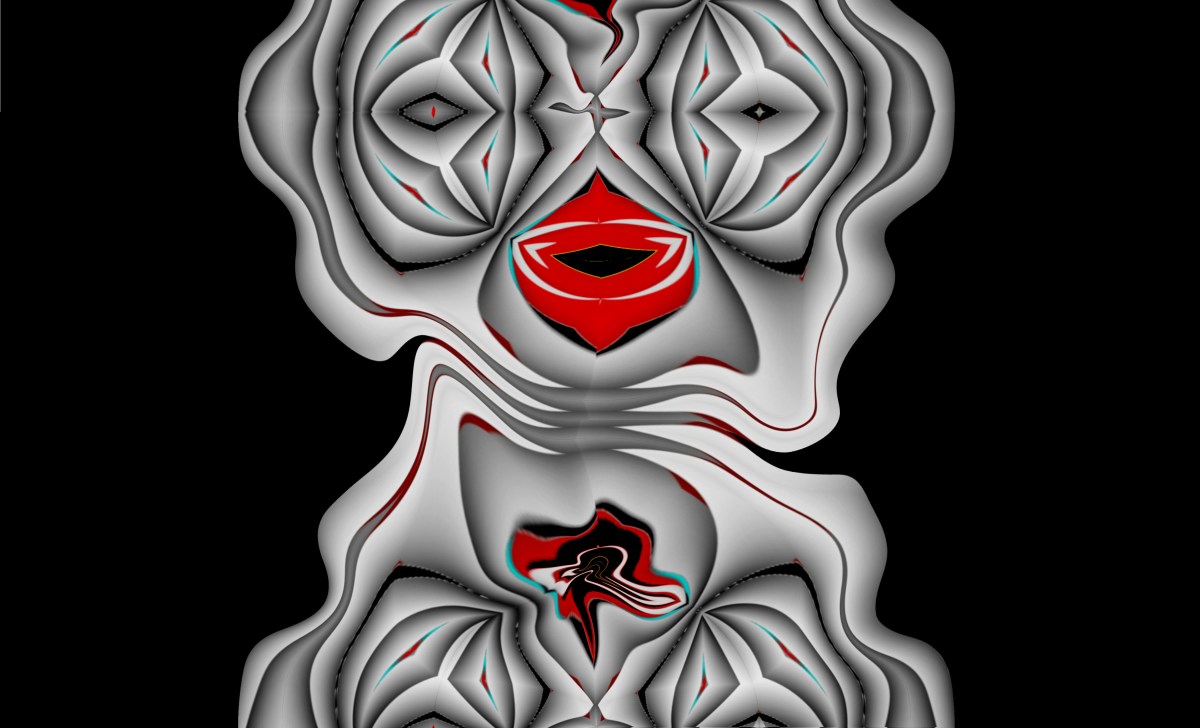
Grieving Ic by Edward Michael Supranowicz
What does a feeling look like when it turns symmetrical? Spend time with Edward Michael Supranowicz’s artwork, let its forms speak, and discover meaning by lingering with the image quietly.
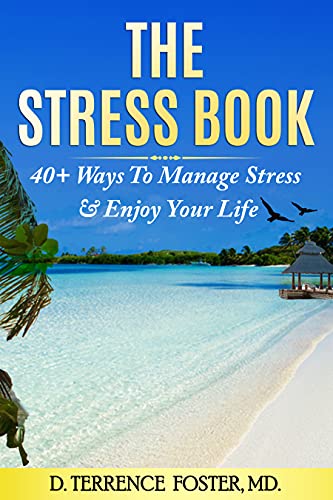
Book Review: The Stress Book by Dr. D. Terrence Foster
If an octopus could text, juggle, cook, plan a future, soothe trauma, and still feel behind—would it read The Stress Book? You’ll find out why that’s relevant as you read on.
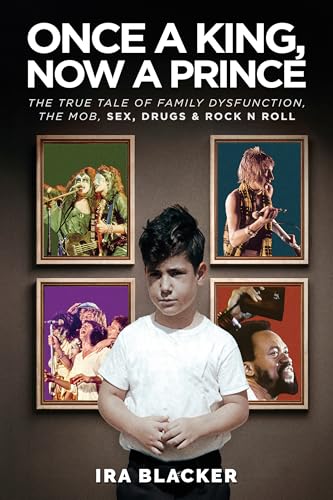
Once A King, Now A Prince by Ira Blacker
What happens when imagination becomes a survival skill instead of a pastime? Once A King, Now A Prince by Ira Blacker reveals the answer—if you’re willing to follow the journey.

 OneTribune
