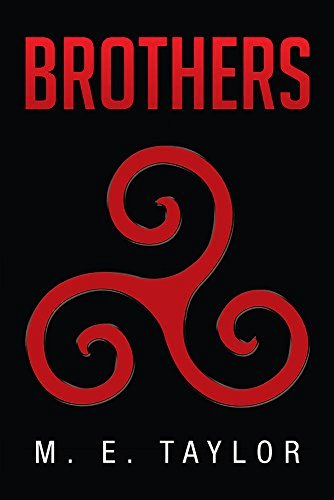
You don’t often read a novel set in ancient Roman Britain that feels less like a history lesson and more like a quiet interrogation. Not of an empire, but of the soul. Brothers isn’t loud. It doesn’t charge into battle. It waits—simmering, studying, and quietly unsettling you.
The plot unfolds like a whisper behind heavy Roman doors: a child falls ill, his family imports a local Celtic boy to lift his spirits, and the boundaries between necessity, morality, and cruelty begin to blur. But this isn’t a story of redemption or revolution. Instead, it’s a long meditation on ownership—of people, decisions, guilt, and consequences. Every character here is either possessed or trying not to be.
Taylor does something rare. Instead of glorifying historical spectacle, she slows time. The tension is not in the clash of armies but in glances that last too long, in silences too heavy, in choices made in passing that calcify into regrets. The family dynamics are as richly drawn as any modern psychological novel. Aelia, the mother, is not evil. Lucius, the father, is not heartless. Even Palatus, the steward who sets much of the plot in motion, isn’t cruel for the sake of it. They’re just… people. And that’s what makes the story so hard to ignore.
There’s a moment when the captured boy is brought into the home—cleaned, trimmed, polished into a version the family can tolerate. But to Gaius, the ill Roman child who requested him, the boy is no longer the person he longed for. This scene alone captures the core of the novel: how, in the effort to make someone “fit,” we strip away what made them meaningful.
The writing is patient. Sometimes, even indulgent. But it matches the slow pace of power—how decisions in powerful households echo in the corridors long after they’re made. Taylor’s greatest gamble is her restraint. She doesn’t rush character arcs. She lets us dwell in the discomfort. And the discomfort lingers.
Brothers isn’t for those needing a tidy resolution. It’s for readers who prefer questions that haunt more than answers that soothe. It’s for anyone who’s ever wondered what happens after a child gets what they want—and someone else loses what they had.
Five stars, because historical fiction this reflective, this human, this strangely modern in its moral ambiguity, doesn’t come around often.
Excellence in Literature Award
The Excellence in Literature Award is a tribute to the timeless power of storytelling. We recognise works that transcend fleeting trends—books that resonate deeply and linger long after the final page. Whether bold and boundary-breaking or quietly powerful, these stories reflect true literary excellence.
This award encompasses a wide literary landscape—from genre fiction to poetic reflections, from contemporary gems to historical epics. At its heart, it celebrates writers who demonstrate mastery, originality, and the ability to connect with readers on a meaningful level.
We’d love to hear from you!
What are your thoughts on this piece? Share your insights in the comments below!
- What stood out to you most about this post?
- Have you read a book recently that relates to the themes discussed here?
- What’s your favorite takeaway or reflection from this write-up?
Let’s keep the conversation going—your thoughts make this space richer!
Disclaimer: The content on this site is provided for informational and inspirational purposes only. While we strive for accuracy, the views expressed in reviews, articles, and recommendations are subjective and may not reflect the opinions of all readers.
We receive complimentary copies of all books we review. However, this practice does not compromise the integrity or honesty of our reviews. Every write-up reflects the contributor’s genuine impressions and critical analysis, ensuring transparency and trust with our readers.
For a complete understanding of our practices, please refer to our full Disclaimer, Privacy Policy, and Terms of Service. These documents outline how we manage your information, ensure transparency, and uphold your rights as a user.
To request for a review, to nominate your favorite book for an award, or for more details about our awards, click here.
Other Stories
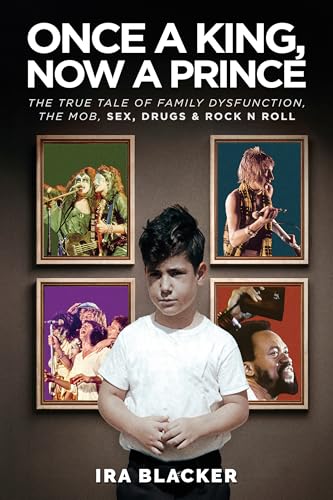
Once A King, Now A Prince by Ira Blacker
What happens when imagination becomes a survival skill instead of a pastime? Once A King, Now A Prince by Ira Blacker reveals the answer—if you’re willing to follow the journey.

Review of Holy Parrot by Angel A
When was the last time you let a question remain unanswered—on purpose? In Holy Parrot, you’ll discover why uncertainty can sometimes be the most generous truth.

Beyond the Obstacle – Stories of Resilience, Courage, and Overcoming
Here are some powerful books that take readers beyond the obstacle and into the light of victory.

 OneTribune