

I’ll admit, when the package arrived, I thought someone had mistakenly sent us a children’s bird encyclopedia. The title—Holy Parrot—sounded like something you’d find between Charlotte’s Web and My Side of the Mountain. I shelved it temporarily next to the “M”s, paused, and promptly unshelved it again.
This book was not where I expected it to be.
That, dear reader, is the point.
A Brief Summary
Holy Parrot, by Angel A, takes place in Buritaca, a real fishing village in Colombia, where science student Leonard is sent to study the genetic factors behind the region’s extraordinary longevity. Instead of finding longevity in the genome, he meets Maria, a 16-year-old who says she’s been told by a parrot—yes, an actual parrot—that she’s pregnant with the new Christ.
You might be tempted to reshelve it under “Religion,” “Science Fiction,” or even “Satire.” But resist the urge. It’s not here to fit into a neat category.
It belongs exactly where you least expect it. Maybe in the quiet space between “Magic Realism” and “Small Miracles.”
Why This Book Was Checked Out So Often It Broke a Spine
Books with big themes tend to wear big boots. They stomp. This one doesn’t. It tiptoes into the room and says, “Sit down. I’m going to tell you something strange and beautiful and unsettling—and you don’t have to believe it. You just have to listen.”
That’s librarian code for this is a reader’s book. It doesn’t preach. It doesn’t demand agreement. It just unfolds.
What’s even more surprising is how my teen readers and retirees have responded with the same phrase:
“I didn’t expect it to feel so real.”
A girl talking to a parrot? Real? Yes. Because Maria isn’t written as a fantasy. She’s written like your neighbor’s daughter—smart, hurting, stubborn, bright. A girl you’d root for whether she was carrying a textbook or a miracle.
The Reference Section: It Checks Out
Is it scientifically plausible that a parrot could repeat a line so perfectly it changes a town?
Well… parrots do have extraordinary mimicry skills. (See: African grey parrot Alex, 1976–2007, known to understand over 100 words.)
Can dolphins detect pregnancy using echolocation?
Absolutely. This is documented science.
Can a teenager’s story shift an entire village’s rhythm?
If you’ve ever worked in a small community, you already know the answer. Yes. Tenfold if there’s a parrot involved.
Recommended If You Like…
- Books that blur lines — Fans of Life of Pi, The Book Thief, or The Secret Life of Bees will find comfort here.
- Stories that let you feel conflicted — You’re allowed to question, and you’re allowed to feel awe. This book encourages both.
- Characters who don’t need to be explained — Leonard and Maria are less archetypes than people you feel you once knew, or maybe were.
A Final Note (Typed on My Smith-Corona)
I keep Holy Parrot near the front desk now. It doesn’t live in the “New Fiction” section or in the “Spiritual Reads” display. It lives near the potted plant by the checkout computer, where people notice it just as they’re leaving. That’s the moment they’re most open to something different.
Because Holy Parrot is that rare sort of book that doesn’t say “Believe me.”
It says, “What do you already believe?”
And then it hands you a question wrapped in sunlight and feathers.
And somehow, that feels like enough.
Today will be a good day, the parrot says.
If you’re holding this book, chances are, he’s right.
Book World Front Award

This book is a winner of the Book World Front Award, an accolade that celebrates extraordinary literature from around the globe. It honors stories that bring universal themes to life and resonate across cultures. Aligned with our mission to explore the world through words, this award spotlights voices that inspire, connect, and showcase the power of global storytelling—where every story takes center stage.
We’d love to hear from you!
What are your thoughts on this piece? Share your insights in the comments below!
- What stood out to you most about this post?
- Have you read a book recently that relates to the themes discussed here?
- What’s your favorite takeaway or reflection from this write-up?
Let’s keep the conversation going—your thoughts make this space richer!
Disclaimer: The content on this site is provided for informational and inspirational purposes only. While we strive for accuracy, the views expressed in reviews, articles, and recommendations are subjective and may not reflect the opinions of all readers.
We receive complimentary copies of all books we review. However, this practice does not compromise the integrity or honesty of our reviews. Every write-up reflects the contributor’s genuine impressions and critical analysis, ensuring transparency and trust with our readers.
For a complete understanding of our practices, please refer to our full Disclaimer, Privacy Policy, and Terms of Service. These documents outline how we manage your information, ensure transparency, and uphold your rights as a user.
To request for a review, to nominate your favorite book for an award, or for more details about our awards, click here.
Other Stories

Reimagining Life Through Words and Service with Debra J. White
What happens when life’s hardest blows lead to unexpected purpose? Discover how Debra turned trauma, recovery, and rescued animals into writing and volunteer work that inspires resilience and connection.
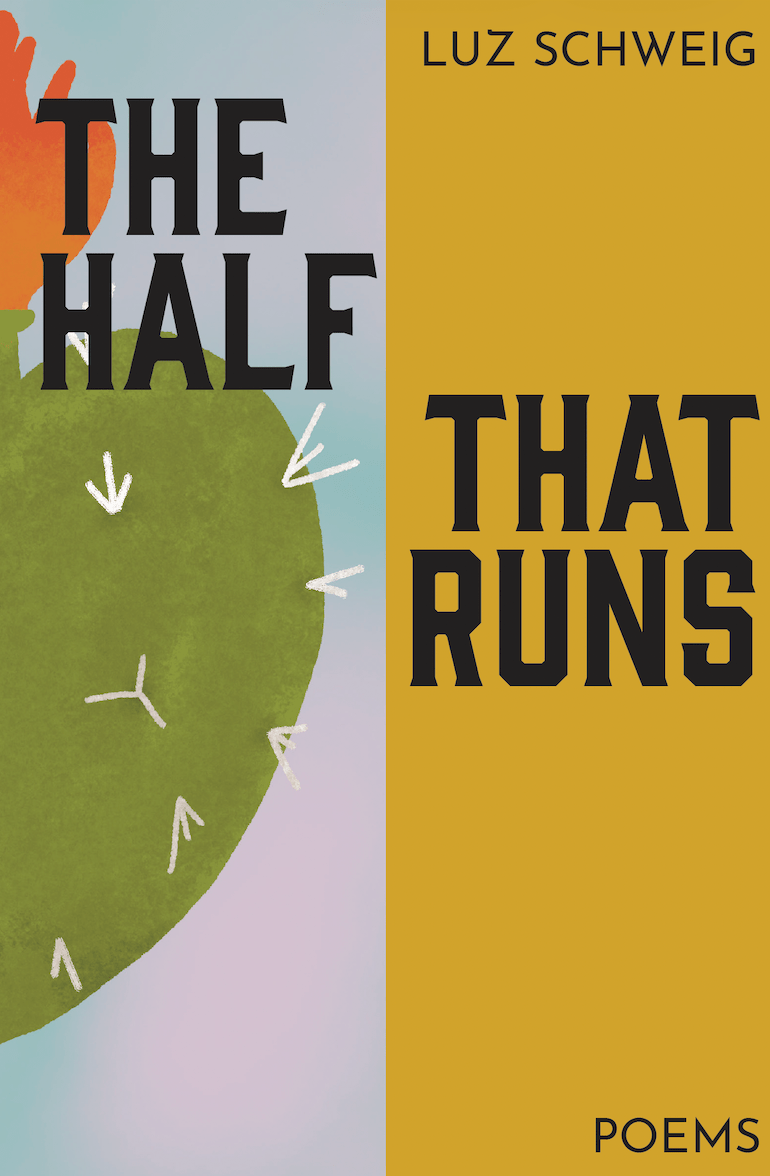
The Half That Runs by Luz Schweig
What if your memories had a geography—one that kept shifting under your feet like sand? Discover how The Half That Runs by Luz Schweig maps identity—read the full piece.
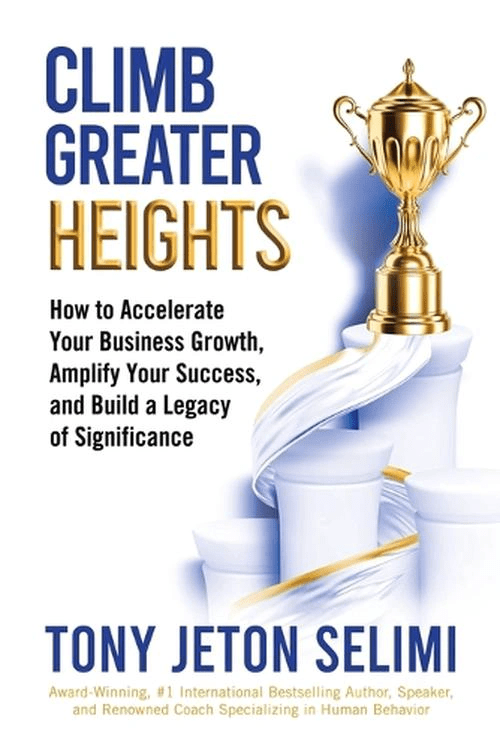
Book Review: Climb Greater Heights by Tony Jeton Selimi
What if your biggest business obstacle isn’t competition but something invisible within you? Discover the answer in Climb Greater Heights by Tony Jeton Selimi—read the full review to explore.

 OneTribune
