
There are books that whisper wisdom softly, almost apologetically. Then there are books that lean in across the table, look you square in the eyes, and say, “Why not win?”—as if losing were never on the menu to begin with. You Have to Live, Why Not Win? is firmly in the second category.
This isn’t a motivational book in the standard, polished-bootstraps sense. It doesn’t claim that success is a product of willpower alone or that hardship is just an inspirational pitstop. Instead, it’s a living conversation—sometimes raw, often humorous, always reflective—about how the right mindset, formed under pressure, becomes a blueprint for something better than winning: dignity.
Larry Thornton doesn’t give us a highlight reel of achievements without context. Instead, we see the scenes many books would cut—confusion in desegregated classrooms, the indignity of being handed food through a back door, the stark silence that follows an act of racist vandalism in a workplace. These moments aren’t presented as trauma for spectacle, but as emotional data. Thornton’s way of processing and responding to them shows a discipline of thought as rigorous as any business plan.
What makes the book compelling is not that it tells a rags-to-boardroom story—it’s that it refuses to treat either the “rags” or the “boardroom” as defining. Thornton’s life is painted in anecdote and principle, not in platitudes. He doesn’t teach lessons; he shares decisions. And in doing so, the reader is gently led to consider their own.
One particularly disarming thread in the book is the author’s insistence on asking questions instead of giving commands. What do you see when you see me? What do you see when you see yourself? These are not marketing slogans—they’re uncomfortable prompts that readers carry with them, intentionally or not. The ability of the book to raise these without sounding accusatory is no small feat. It’s the literary equivalent of a firm handshake offered before a hard truth.
Interestingly, the format—illustrated panels breaking up the prose—makes the book feel both more intimate and more universal. You don’t read this like a textbook or consume it like a self-help podcast. You sit with it. The drawings soften the delivery without dulling the impact, and that makes the narrative feel less like a lecture and more like mentorship.
There is something deeply accessible here. Thornton doesn’t assume you’ve been to business school or studied the Civil Rights Movement in detail. He doesn’t require that you agree with him on everything. But he does ask you to pay attention. And what you’ll find, if you do, is a way of looking at others—and yourself—that’s just sharp enough to cut through excuses.
Is the book “about racism”? Yes and no. It confronts racism, yes, but it’s not about oppression; it’s about what you build in spite of it—and what kind of grace it takes to build with others. Is it a business book? Only in the sense that business is about people. Is it a graphic novel? Technically, it fits, but emotionally it lives somewhere between sermon, scrapbook, and strategy guide for character.
You don’t finish You Have to Live, Why Not Win? feeling like you’ve been convinced of something. You finish it feeling like you’ve been trusted with something—and that trust lingers.
Excellence in Literature Award
The Excellence in Literature Award is a tribute to the timeless power of storytelling. We recognise works that transcend fleeting trends—books that resonate deeply and linger long after the final page. Whether bold and boundary-breaking or quietly powerful, these stories reflect true literary excellence.
This award encompasses a wide literary landscape—from genre fiction to poetic reflections, from contemporary gems to historical epics. At its heart, it celebrates writers who demonstrate mastery, originality, and the ability to connect with readers on a meaningful level.
We’d love to hear from you!
What are your thoughts on this piece? Share your insights in the comments below!
- What stood out to you most about this post?
- Have you read a book recently that relates to the themes discussed here?
- What’s your favorite takeaway or reflection from this write-up?
Let’s keep the conversation going—your thoughts make this space richer!
Disclaimer: The content on this site is provided for informational and inspirational purposes only. While we strive for accuracy, the views expressed in reviews, articles, and recommendations are subjective and may not reflect the opinions of all readers.
We receive complimentary copies of all books we review. However, this practice does not compromise the integrity or honesty of our reviews. Every write-up reflects the contributor’s genuine impressions and critical analysis, ensuring transparency and trust with our readers.
For a complete understanding of our practices, please refer to our full Disclaimer, Privacy Policy, and Terms of Service. These documents outline how we manage your information, ensure transparency, and uphold your rights as a user.
To request for a review, to nominate your favorite book for an award, or for more details about our awards, click here.
Other Stories

Reimagining Life Through Words and Service with Debra J. White
What happens when life’s hardest blows lead to unexpected purpose? Discover how Debra turned trauma, recovery, and rescued animals into writing and volunteer work that inspires resilience and connection.
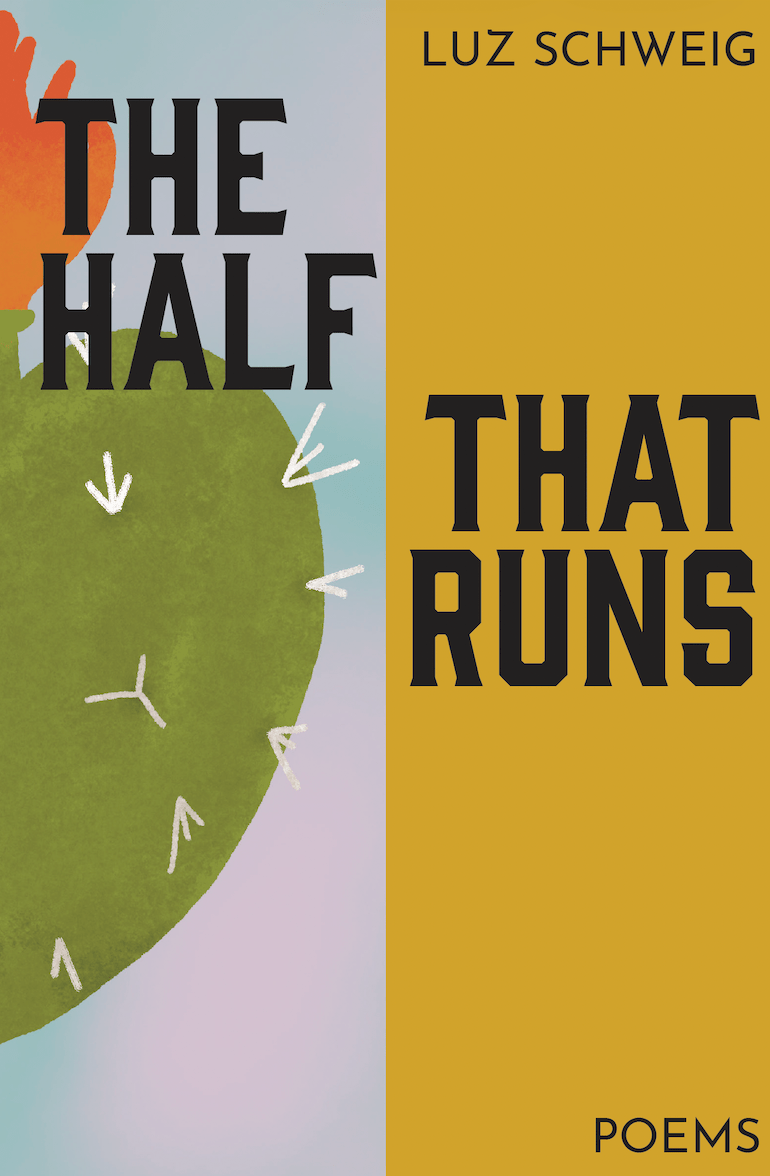
The Half That Runs by Luz Schweig
What if your memories had a geography—one that kept shifting under your feet like sand? Discover how The Half That Runs by Luz Schweig maps identity—read the full piece.
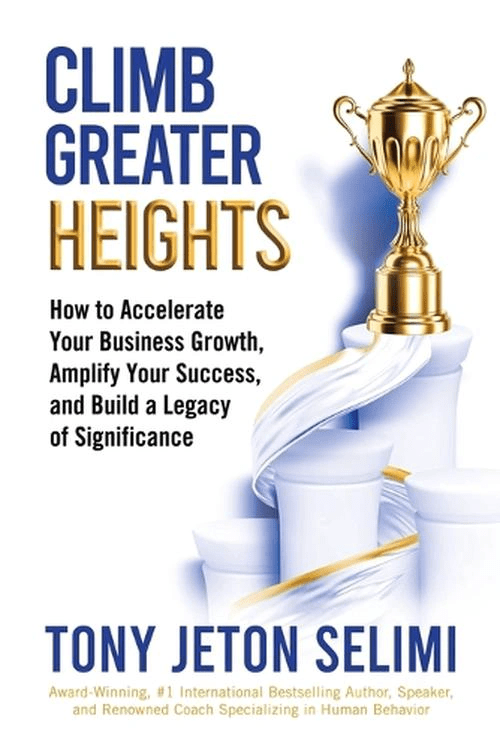
Book Review: Climb Greater Heights by Tony Jeton Selimi
What if your biggest business obstacle isn’t competition but something invisible within you? Discover the answer in Climb Greater Heights by Tony Jeton Selimi—read the full review to explore.

 OneTribune