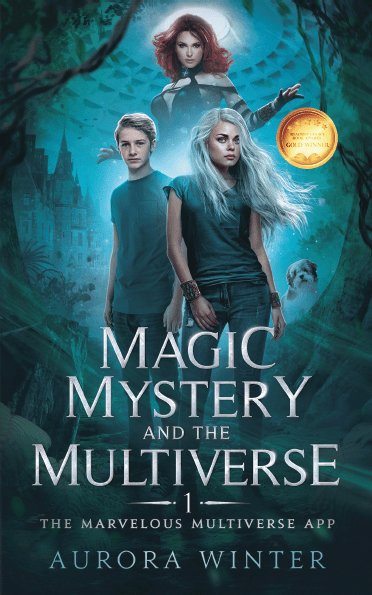
What happens when childhood wonder collides with quantum physics? Aurora Winter’s Magic, Mystery and the Multiverse doesn’t just pose that question—it lets it unravel across worlds. On the surface, it reads like a classic portal fantasy: two siblings stumble across an experimental vehicle and an enigmatic app, and they’re whisked off to another dimension. But underneath its page-turning momentum is something more unexpected: an exploration of how stories—and the roles we’re assigned in them—can trap or liberate us.
The real triumph of this novel isn’t in its imaginative settings (though there are plenty: from a crash-landed hydrogen car to AI therapists, runic bracelets, and magical insect spies) but in how it frames identity. Ana, the protagonist, doesn’t just perform in school plays; she’s been performing her entire life—hiding her unique violet eyes, suppressing the trauma of her family’s secrets, shapeshifting to meet people’s expectations. Acting, here, is more than art—it’s survival, rebellion, and discovery.
For a book with enchanted gadgets and pun-happy dialogue (an AI named “Leeves” announces its presence with a butler’s poise), it manages to feel grounded, largely because of its emotional integrity. Ana’s younger brother Zackary is in remission from cancer and morbidly obsessed with his own mortality. The way he uses tech jargon and historical trivia to avoid deeper fears is heartbreakingly familiar. Their sibling dynamic—snarky, competitive, loving—is as believable as any you’d find in a contemporary drama.
What’s particularly clever is how Winter blends modern anxieties (AI, surveillance, illness, identity) with fantasy tropes in a way that never feels preachy. You get the sense that this book is playing with genre expectations—not just remixing Wizard of Oz or Doctor Who but pointing out that fantasy isn’t escape; it’s magnification. The villainous “Crimson Censor” and oppressive “Thought Police” might feel fantastical, but their roots in real-world censorship and authoritarianism are just thinly veiled. Yet this never drags the narrative down—it enriches it.
Still, this isn’t a heavy or dark book. It’s playful. Witty. There’s a warmth in its tone, even when the characters are in real peril (like, say, a wrongful public execution involving a mechanical spider and a hangman named “One Jerk Jerry”). It trusts young readers to handle complex ideas without watering them down or leaning too hard on allegory.
In the end, Magic, Mystery and the Multiverse is less about saving the universe and more about saving yourself from the role you thought you had to play. It asks readers—especially younger ones—to question how their own “apps,” labels, and roles are shaping their paths. And in doing so, it creates a reading experience that’s both deeply fun and surprisingly reflective.
This isn’t just a great adventure story for teens—it’s a story for anyone who’s ever felt miscast in their own life. If you’ve ever wished for a role where you didn’t have to hide the most unique parts of you, this book hands you the script and says: rewrite it.
Excellence in Literature Award
The Excellence in Literature Award is a tribute to the timeless power of storytelling. We recognise works that transcend fleeting trends—books that resonate deeply and linger long after the final page. Whether bold and boundary-breaking or quietly powerful, these stories reflect true literary excellence.
This award encompasses a wide literary landscape—from genre fiction to poetic reflections, from contemporary gems to historical epics. At its heart, it celebrates writers who demonstrate mastery, originality, and the ability to connect with readers on a meaningful level.
We’d love to hear from you!
What are your thoughts on this piece? Share your insights in the comments below!
- What stood out to you most about this post?
- Have you read a book recently that relates to the themes discussed here?
- What’s your favorite takeaway or reflection from this write-up?
Let’s keep the conversation going—your thoughts make this space richer!
Disclaimer: The content on this site is provided for informational and inspirational purposes only. While we strive for accuracy, the views expressed in reviews, articles, and recommendations are subjective and may not reflect the opinions of all readers.
We receive complimentary copies of all books we review. However, this practice does not compromise the integrity or honesty of our reviews. Every write-up reflects the contributor’s genuine impressions and critical analysis, ensuring transparency and trust with our readers.
For a complete understanding of our practices, please refer to our full Disclaimer, Privacy Policy, and Terms of Service. These documents outline how we manage your information, ensure transparency, and uphold your rights as a user.
To request for a review, to nominate your favorite book for an award, or for more details about our awards, click here.
Other Stories
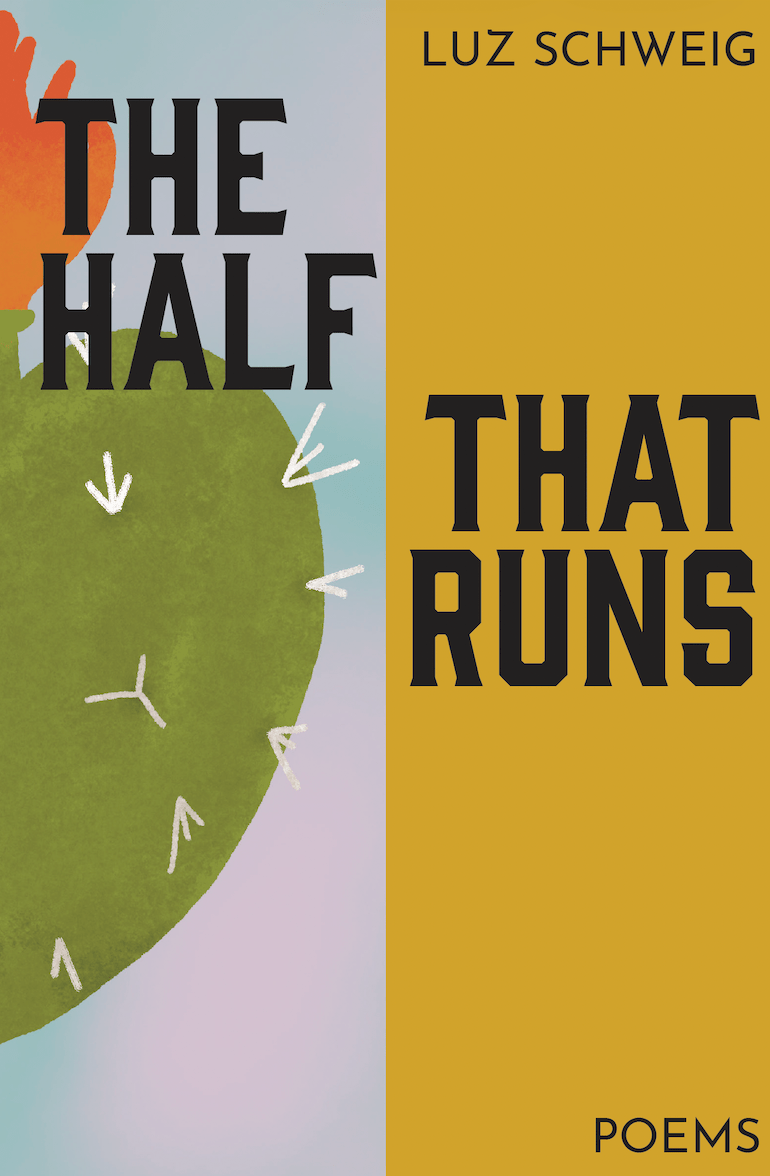
The Half That Runs by Luz Schweig
What if your memories had a geography—one that kept shifting under your feet like sand? Discover how The Half That Runs by Luz Schweig maps identity—read the full piece.
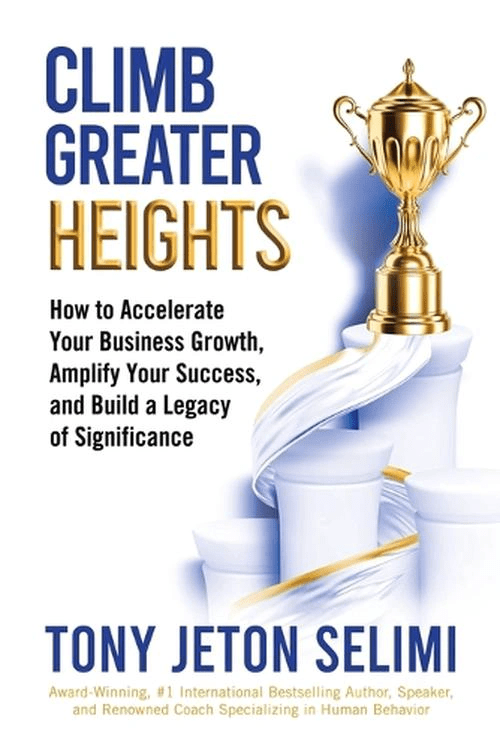
Book Review: Climb Greater Heights by Tony Jeton Selimi
What if your biggest business obstacle isn’t competition but something invisible within you? Discover the answer in Climb Greater Heights by Tony Jeton Selimi—read the full review to explore.
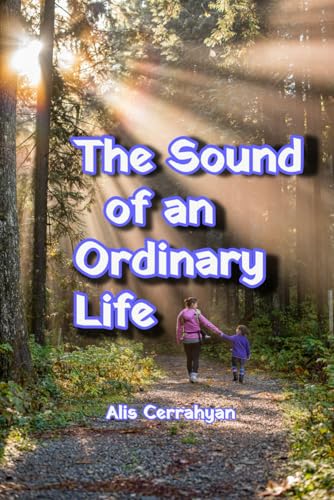
Review of The Sound of an Ordinary Life by Alis Cerrahyan
There are many ways to tell the story of a life. Some choose grand narratives, sweeping arcs of triumph and tragedy. Others, like The Sound of an Ordinary Life, find meaning in the quiet spaces, the moments that seem small but carry the entire weight of a person’s existence.

 OneTribune