
What happens when a moment of unspeakable loss collides with a ripple in the digital fabric of society? Botheration by Vito DiBarone explores this question through a quiet storm of adolescent memory, coded logic, and raw, awkward connection. At first glance, it reads like a diary cracked open by accident—vulnerable, unfiltered, teetering between genius and chaos. But beneath the surface lies something far more calculated: a mirror reflecting what today’s teens don’t always say out loud.
Matty, the protagonist, isn’t just surviving high school—he’s rebuilding a life atom by atom after witnessing his parents’ sudden, horrific death. The story opens not with explanation, but with sensation: black smoke, the scent of burning fabric, the impossible stillness of trauma. From there, it doesn’t move linearly. Instead, like a corrupted hard drive, it skips and stutters, following Matty through surreal days filled with offbeat friendships, cryptic messages, cheerleaders with secrets, and government systems behaving badly. It’s part thriller, part social fable, part science club confessional.
And that’s exactly why it works.
The narrative resists polish. Dialogues are jagged. Characters interrupt themselves. The reader is left wondering whether they’re hearing someone speak or think. Matty’s thoughts are scattered with pop culture, math formulas, dry humor, and guilt. But in that mess is a real depiction of how trauma lives in the mind: fractured, relentless, and often completely disconnected from what’s going on outside the body. Instead of tidy grief, we get the clumsy day-to-day of someone trying to feel safe again—while coding deletion programs and navigating feelings for a girl who might be more than she seems.
The tension isn’t driven by explosions or obvious villains. It’s subtler and stranger: Can a teen be manipulated into deleting something he shouldn’t? Can affection be used as currency in digital crimes? What is erased when we delete something? And can we ever be sure it’s truly gone?
But perhaps the boldest move the book makes is refusing to separate tech from emotion. In Botheration, code isn’t just a backdrop—it’s Matty’s way of making meaning. This isn’t escapism through gadgets; it’s a neurodivergent way of grieving. Programming becomes meditation. Deletion becomes metaphor. And like the brain protecting itself from trauma, the computer holds traces of what used to be, even when we think it’s wiped clean.
This book isn’t for readers looking for simple resolutions. It isn’t for those who expect cheerleaders to stay in their lanes or nerds to keep their heads down. It’s for readers who can sit with complexity, who are okay with things left unsaid or partially decoded. It’s for young people who have wondered what it means to be watched, remembered, or erased. And it’s definitely for those who’ve ever had to start over while pretending they hadn’t been broken at all.
Botheration doesn’t ask for applause. It asks for attention. And maybe that’s the most radical thing a story can do these days.
Excellence in Literature Award
The Excellence in Literature Award is a tribute to the timeless power of storytelling. We recognise works that transcend fleeting trends—books that resonate deeply and linger long after the final page. Whether bold and boundary-breaking or quietly powerful, these stories reflect true literary excellence.
This award encompasses a wide literary landscape—from genre fiction to poetic reflections, from contemporary gems to historical epics. At its heart, it celebrates writers who demonstrate mastery, originality, and the ability to connect with readers on a meaningful level.
We’d love to hear from you!
What are your thoughts on this piece? Share your insights in the comments below!
- What stood out to you most about this post?
- Have you read a book recently that relates to the themes discussed here?
- What’s your favorite takeaway or reflection from this write-up?
Let’s keep the conversation going—your thoughts make this space richer!
Disclaimer: The content on this site is provided for informational and inspirational purposes only. While we strive for accuracy, the views expressed in reviews, articles, and recommendations are subjective and may not reflect the opinions of all readers.
We receive complimentary copies of all books we review. However, this practice does not compromise the integrity or honesty of our reviews. Every write-up reflects the contributor’s genuine impressions and critical analysis, ensuring transparency and trust with our readers.
For a complete understanding of our practices, please refer to our full Disclaimer, Privacy Policy, and Terms of Service. These documents outline how we manage your information, ensure transparency, and uphold your rights as a user.
To request for a review, to nominate your favorite book for an award, or for more details about our awards, click here.
Other Stories

Reimagining Life Through Words and Service with Debra J. White
What happens when life’s hardest blows lead to unexpected purpose? Discover how Debra turned trauma, recovery, and rescued animals into writing and volunteer work that inspires resilience and connection.
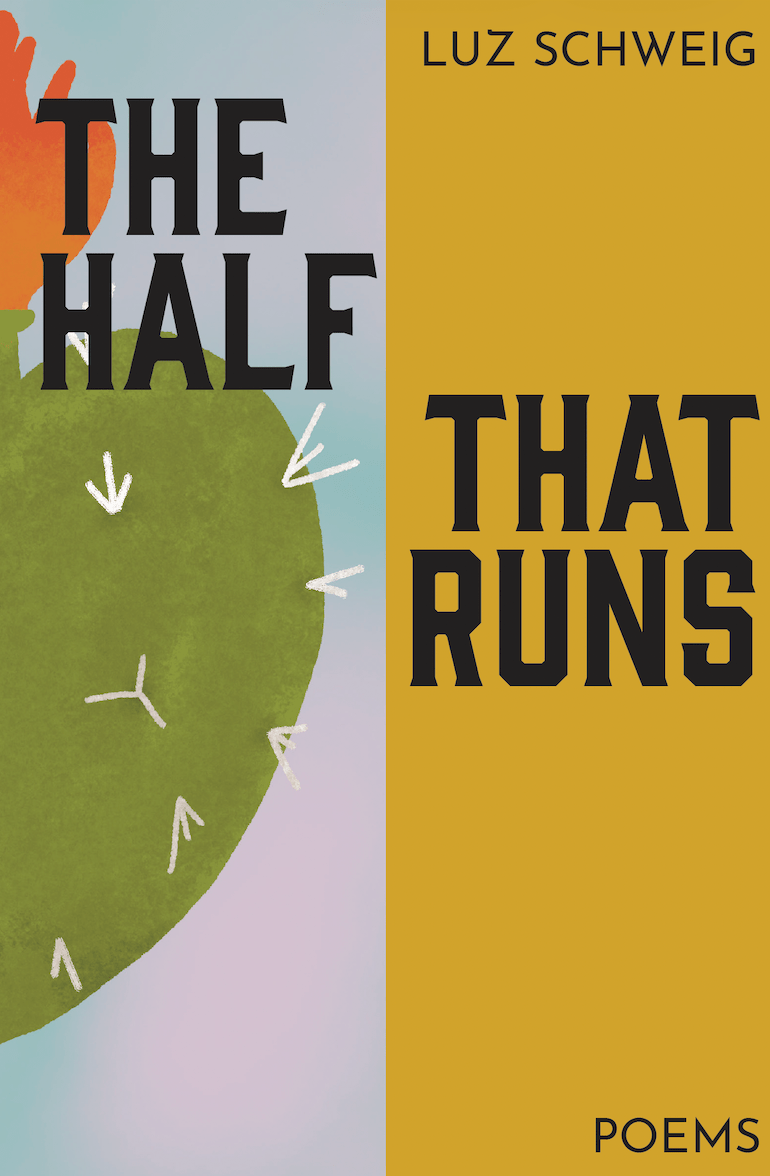
The Half That Runs by Luz Schweig
What if your memories had a geography—one that kept shifting under your feet like sand? Discover how The Half That Runs by Luz Schweig maps identity—read the full piece.
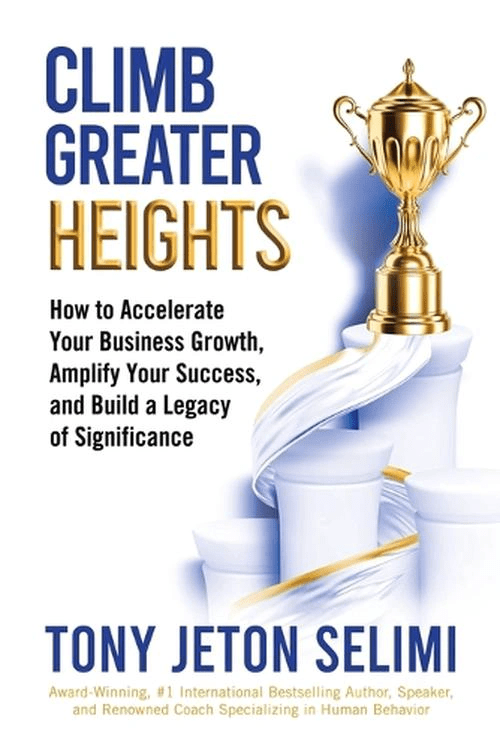
Book Review: Climb Greater Heights by Tony Jeton Selimi
What if your biggest business obstacle isn’t competition but something invisible within you? Discover the answer in Climb Greater Heights by Tony Jeton Selimi—read the full review to explore.

 OneTribune