- Genre: Non-Fiction / Creative Memoir
- Sub-Genres: Cognitive Exploration, Humorous Biography, Self-Reflection
- Themes: Intellectual curiosity, the playfulness of thought, the evolution of ideas, and the vibrant tapestry of the human mind
Have you ever wondered if a busy brain could outsmart itself in a game of hide-and-seek? Discover why the quest for self-knowledge makes every twist count—read on to find out!
Review
Creative Exploration and Intellectual Play
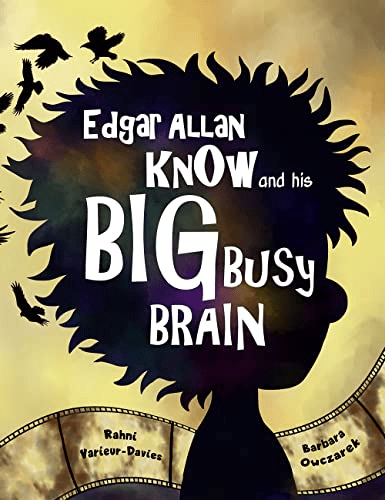
Edgar Allan Know and His BIg Busy Brain takes an unconventional approach to biography and introspection. The book invites readers into a world where thought is both a tool and a playground. Drawing on verifiable scientific facts regarding neuroplasticity and cognitive flexibility—studies which demonstrate that our brains thrive on novel challenges—the book encourages readers to embrace curiosity as the backbone of intellectual growth. Does the curious nature of your mind match the pace of modern discovery? The engaging narrative offers a playful yet profound exploration of how we think, learn, and evolve.
Anecdotes and Reflective Moments
Using a blend of witty anecdotes and reflective insights, the author crafts memorable scenarios that mirror everyday experiences. One memorable passage recounts a moment of serendipity—a chance encounter that sparks a revelation about the power of a busy brain. Such moments are underscored by research in cognitive psychology, reminding us that even the simplest experiences can fuel extraordinary mental adventures. The reader is gently challenged: might a small spark of curiosity eventually lead to a blaze of new ideas?
Style, Structure, and Impact
The prose is both engaging and family friendly, balancing light-hearted humor with thoughtful critique. The book’s structure—with clear thematic segments and illustrative subheadings—makes it accessible to readers of all ages while maintaining depth. The conversational tone, interspersed with rhetorical questions and familiar scientific concepts, creates an inviting space for readers to reflect on their own thinking patterns. The narrative refuses to dwell on sensationalism, instead opting to highlight the constructive and life-affirming aspects of human intellect.
Who Will Appreciate This Book (and Who Might Not)
This book is ideal for individuals who cherish intellectual exploration and those willing to revisit their own inner landscape with a blend of skepticism and delight. It will resonate particularly with readers who enjoy a mix of humor, intellectual challenge, and uplifting insights into the workings of the mind. On the other hand, readers who prefer strictly linear narratives or who are uncomfortable with introspection and experimental writing techniques may find the unconventional approach less appealing.
Content Warning
There are no explicit or mature themes that challenge family-friendliness in this work. However, readers should note that the book’s experimental narrative style might initially seem abstract. Readers prepared for an unconventional journey through the mind will find it both thought-provoking and refreshing.
Final Thoughts
Awarding Edgar Allan Know and His BIg Busy Brain a full 5 out of 5 stars is a tribute to its imaginative narrative and its celebration of the creative, ever-evolving mind. This review reflects a genuine appreciation for a work that dares to question and celebrate the complexities of human thought—all presented in a family-friendly manner that makes it suitable for a diverse audience.
Excellence in Literature Award

The Excellence in Literature Award is a tribute to the timeless power of storytelling. We recognise works that transcend fleeting trends—books that resonate deeply and linger long after the final page. Whether bold and boundary-breaking or quietly powerful, these stories reflect true literary excellence.
This award encompasses a wide literary landscape—from genre fiction to poetic reflections, from contemporary gems to historical epics. At its heart, it celebrates writers who demonstrate mastery, originality, and the ability to connect with readers on a meaningful level.
We’d love to hear from you!
What are your thoughts on this piece? Share your insights in the comments below!
- What stood out to you most about this post?
- Have you read a book recently that relates to the themes discussed here?
- What’s your favorite takeaway or reflection from this write-up?
Let’s keep the conversation going—your thoughts make this space richer!
Disclaimer: The content on this site is provided for informational and inspirational purposes only. While we strive for accuracy, the views expressed in reviews, articles, and recommendations are subjective and may not reflect the opinions of all readers.
We receive complimentary copies of all books we review. However, this practice does not compromise the integrity or honesty of our reviews. Every write-up reflects the contributor’s genuine impressions and critical analysis, ensuring transparency and trust with our readers.
For a complete understanding of our practices, please refer to our full Disclaimer, Privacy Policy, and Terms of Service. These documents outline how we manage your information, ensure transparency, and uphold your rights as a user.
To request for a review, to nominate your favorite book for an award, or for more details about our awards, click here.
Other Stories

Reimagining Life Through Words and Service with Debra J. White
What happens when life’s hardest blows lead to unexpected purpose? Discover how Debra turned trauma, recovery, and rescued animals into writing and volunteer work that inspires resilience and connection.
The Half That Runs by Luz Schweig
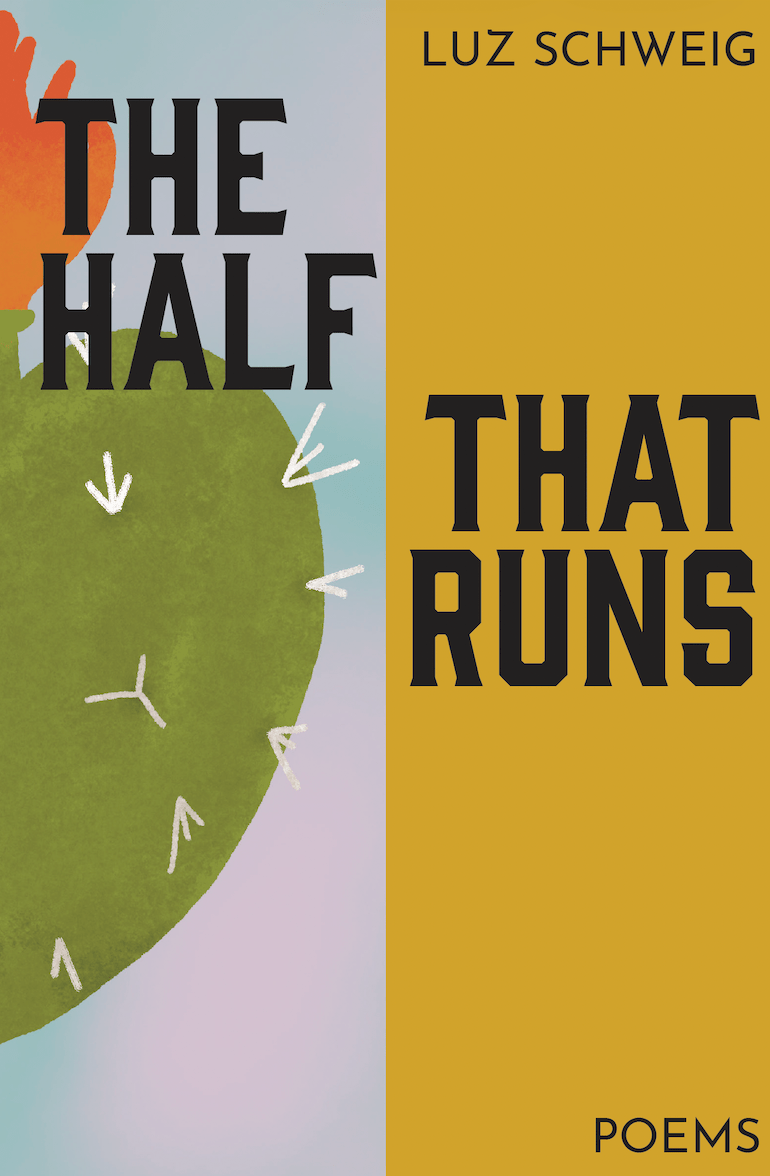
What if your memories had a geography—one that kept shifting under your feet like sand? Discover how The Half That Runs by Luz Schweig maps identity—read the full piece.
Book Review: Climb Greater Heights by Tony Jeton Selimi
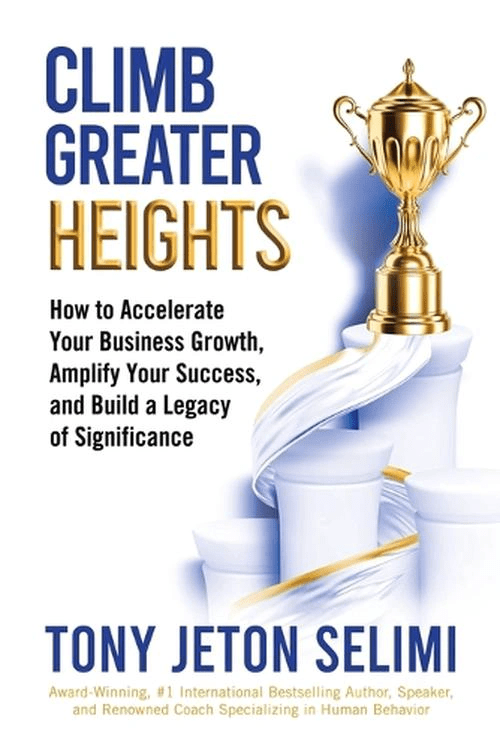
What if your biggest business obstacle isn’t competition but something invisible within you? Discover the answer in Climb Greater Heights by Tony Jeton Selimi—read the full review to explore.

 OneTribune