
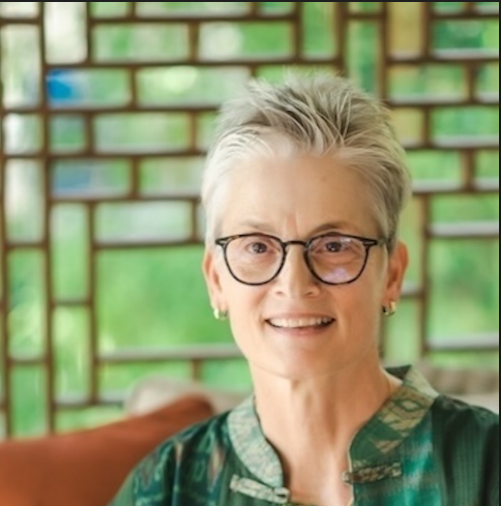
Psychiatrist-turned-author MM Desch explores how secrecy, addiction, and professional identity intersect in her debut novel Tangled Darkness. In this interview, she outlines how psychiatric work shaped her approach to fiction writing.
Editor’s Note: This interview discusses themes including addiction, childhood trauma, and mental illness. Reader discretion is advised, especially for those sensitive to content related to substance use or psychological distress.
MM, thank you so much for being here. To begin, can you tell us about yourself—your background in psychiatry, what led you to fiction writing, and what inspired Tangled Darkness?
My debut psychological thriller, Tangled Darkness (Rowan Prose Publishing, July 2025), is informed by over three decades of psychiatric practice and listening to more stories than you can imagine (and some you can’t). Medical training began with an MD from the University of Nebraska Medical Center and psychiatric residency at the University of Minnesota, where chief resident responsibilities provided additional leadership experience. Being board certified in general and addiction psychiatry allowed me to work in many different places, including major hospitals, doing medical-legal evaluations, private practice in Minneapolis and Phoenix, an outpatient clinic in a corporate medicine setting, and serving on Arizona’s Medical Board Diversion Committee for Impaired Physicians.
The path to writing began unexpectedly during journaling exercises inspired by Caroline Myss’s Sacred Contracts: Awakening Your Divine Potential. Characters started appearing on the pages, uninvited but persistent. A casual mention to my wife Liz during a COVID lockdown walk—the idea of writing a novel—met with unreserved encouragement. Living in Portland, Oregon, provided the perfect atmospheric backdrop, with rain-soaked streets and perpetually gray winter skies creating the ideal setting for the writing’s introspective tone.
Tangled Darkness was inspired by observations of the dynamics within small mental health practices, where trust can quickly erode once suspicion takes root. The paradoxical vulnerability of psychiatrists came into focus—professionals who guide patients toward difficult truths while sometimes avoiding their own. The story explores what happens when someone with a buried personal history faces accusations that threaten to expose long-hidden secrets. The novel follows Dr. Leslie Schoen as she investigates prescription opioid theft and murder while protecting her pregnant wife from escalating threats, weaving together professional knowledge with page-turning suspense.
Your novel touches on powerful themes like forgiveness, loyalty, and uncovering the truth. Why were those themes important for you to explore through fiction?
These themes emerged organically from decades of treating patients struggling with shame, addiction, and relationship repair. Add a dash of life experience, and the mixture became complete. Clinical practice repeatedly demonstrated how secrecy often proves more destructive than the truths people hide. Leslie’s concealment of past mistakes, despite her overall noble intentions, creates greater vulnerability than honesty would have provided.
Forgiveness seems to me more of an ongoing practice, an exercise in letting go, rather than a destination. Leslie’s recovery from alcoholism doesn’t immunize her against old patterns, especially when pressure mounts—a reality observed countless times in clinical work. Recovery requires daily commitment for every person struggling with addiction, including healthcare professionals who face unique stigma around substance use disorders in the culture of Western medicine.
The loyalty theme examines how genuine intimacy demands radical honesty, especially when that honesty feels frightening. Leslie and Izzy’s relationship demonstrates that partnerships can not only survive difficult truths but even grow stronger through them, provided both individuals remain willing to embrace and accept vulnerability.
Fiction allows exploration of these psychological territories through compelling narrative, which is much more engaging to write than a dry, clinical report. Readers can experience these emotional landscapes viscerally, potentially gaining insights through evoked mental images with emotional responses—insights that pure analysis might not provide. The suspense framework makes complex psychological material accessible to readers who might otherwise avoid such weighty topics.
With your long career in psychiatry, how did your understanding of human behavior shape the way you developed your characters and their motivations?
Life experience and listening to people share their stories proved invaluable for creating authentic character psychology, particularly in understanding how trauma manifests differently across individuals. Michelle’s character reflects my experience treating patients with dissociative symptoms, post-traumatic stress, and psychosis triggered by severe childhood abuse. The goal was showing how someone could function professionally while harboring trauma that ultimately surfaces destructively.
Character development sometimes began by working backward from psychological states. Michelle’s detailed backstory about her abusive father never fully appears on the page but informs every aspect of her behavior. This mirrors therapeutic work, where understanding a client’s history illuminates present-day symptoms and coping mechanisms.
Leslie’s character draws from my experience and past work with healthcare professionals in recovery. The same professional training that enables healing others can complicate self-confrontation. She understands the psychology behind her behavior too well, forcing her to work harder to achieve self-deception. Her inability to confess to Izzy reflects how shame operates uniquely for each person, including those whose professional identity centers on helping others.
Bryce represents the corruption observed when oversight fails in medical settings. His manipulation of Michelle and exploitation of the clinic’s legitimate functions reflect real vulnerabilities in healthcare systems witnessed throughout decades of practice.
Addiction is a central thread in Tangled Darkness. What do you wish more people understood about the realities of addiction—and how did you approach writing about it responsibly?
Public understanding of addiction as a chronic medical condition, rather than viewing it as a moral failing, remains limited; however, maintaining accountability is still crucial. In fact, learning to accept responsibility for one’s behavior is a crucial element of recovery. Leslie’s story demonstrates how professional success and years of sobriety don’t eliminate vulnerability—recovery requires daily practice. Her inability to be honest with Izzy about the medical board complaint reflects how distorted thinking patterns can persist even in sustained, long-term recovery.
One patient’s story particularly influenced the narrative: a woman who confessed when she was two years sober that she once chose spending her last ten dollars on drugs, during her active addiction, over feeding her toddler. To me, this perfectly illustrated how addiction warps priorities and how shame about past actions can drive continued secrecy, even years into recovery.
I approached writing about addiction responsibly by showing its ripple effects on relationships. Izzy’s frustration demonstrates how partners are affected by trust issues and secrecy long after active addiction ends. The narrative also highlights additional stigma healthcare professionals face—fear of professional consequences, which are real but nevertheless often become an excuse, frequently drives harmful secrecy rather than appropriate help-seeking.
The novel illustrates how systems designed for healing can be exploited when oversight fails, reflecting genuine concerns about prescription drug abuse. By grounding the thriller in authentic medical settings and realistic addiction scenarios, I aimed to foster understanding while entertaining readers with compelling mystery elements.
Dr. Leslie Schoen is a complex character caught in a web of professional and personal challenges. What did you want readers to learn or feel through her journey?
Readers should recognize how ego-driven pride and shame can prove more destructive than the shortcomings we attempt to hide. Leslie’s journey demonstrates that recovery isn’t about achieving perfection—it’s about developing courage for rigorous honesty, even when that honesty feels dangerous.
Leslie’s character represents healthcare professionals struggling with substance use disorders, facing unique pressures. It’s remarkable how often healthcare professionals do not understand addiction as a disease. The medical community often stigmatizes addiction among its members, creating significant barriers to seeking help. Her fear of professional consequences drives secrecy that ultimately threatens everything she’s trying to protect.
Leslie’s inability to confess the medical board complaint reflects deeper patterns of self-protection that ultimately isolate her from necessary support. Her relationship with Izzy illustrates how genuine intimacy requires vulnerability.
The narrative also explores how someone trained to help others process trauma responds when her well-honed defense mechanisms activate. Leslie’s psychiatric expertise becomes both an asset and a liability—she understands her flawed psychological patterns intellectually but is unable to effect change in herself through self-reliance.
Ultimately, Leslie’s story argues for the beneficial effects of facing personal truths, however painful. Her journey from isolation through crisis to renewed connection demonstrates that redemption remains possible through accountability and genuine relationships, including those relationships evocative of the famous Beatles’ tune, “With a Little Help from My Friends.”
One of the strengths of your novel is how it examines moral gray areas. How do you think fiction can help readers reflect on difficult choices and ethical dilemmas?
Fiction creates a safe space for readers to explore complex ethical terrain without real-world consequences. Through Leslie’s dilemmas—whether to confess her past theft, how much to protect Izzy from danger, or when professional ethics conflict with personal survival—readers can examine their own moral reasoning processes.
The medical and psychological thriller genres particularly lend themselves to ethical exploration. Healthcare inherently involves life-and-death decisions. In Tangled Darkness, corruption of healing systems forces characters to choose between personal safety and professional integrity, between protecting loved ones and seeking truth.
Michelle’s character exemplifies moral complexity—she exists simultaneously as victim and perpetrator, shaped by trauma yet responsible for her actions. Rather than creating a simple villain, the goal was to facilitate readers’ grappling with how mental illness, past abuse, and present choices intersect. This reflects real-world complexity, where understanding someone’s background doesn’t excuse their behavior but helps us understand how people arrive at destructive choices, hopefully leading to compassionate but reasoned responses.
Fiction allows readers to experience these dilemmas emotionally rather than just intellectually. When readers feel Leslie’s desperation or understand Michelle’s pain, they’re more likely to approach real-world ethical questions with nuance and empathy. The thriller framework makes these explorations accessible, while psychological depth ensures they remain meaningful.
You’ve said the story involves uncovering hidden truths. How did your experiences working in mental health influence the way you structured suspense and revelation in the book?
My experience practicing psychiatry taught me that truth often emerges gradually, frequently through seemingly unrelated details that suddenly connect. In psychotherapy, clients rarely reveal their deepest concerns immediately. Trust builds over time, and insights come in layers. This understanding directly influenced the novel’s structure.
In Tangled Darkness, the story unfolds through multiple perspectives, each revealing partial truths. This mirrors a comprehensive psychiatric assessment, where the evaluator obtains information from multiple sources. Detective Davis’s methodical investigation mirrors medical diagnostic processes: gathering information, testing hypotheses, and systematically ruling out possibilities. The mysterious drawing in Damon’s office functions like a psychological test, meaningful only when decoded with the proper interpretive framework.
Revelations were structured to mirror how trauma emerges in treatment. Leslie’s memory of stealing medication surfaces suddenly, triggered by finding her mother’s old prescription bottle—similar to how repressed memories can surface unexpectedly in therapy. Michelle’s breakdown reflects how psychological defenses can collapse catastrophically when overwhelmed by stressors.
The pacing reflects understanding of how people process crisis. Characters need time to absorb revelations, just as clients require time to integrate difficult truths. Leslie’s gradual acceptance of her past mirrors therapeutic progress—initial denial, actually complete repression, growing awareness, and finally accountability.
This psychiatric lens revealed that the most compelling mysteries aren’t just about external crimes but the internal conflicts accompanying them. The ultimate suspense comes from watching characters confront truths about themselves they’ve been avoiding.
Though the novel is suspenseful, it also has moments of emotional connection and vulnerability. Was that balance important to you while writing?
Absolutely. Suspense without emotional grounding feels hollow to me. Readers need genuine investment in characters to feel authentic tension about their fates. Years in a psychiatrist’s chair emphasized that the most compelling human stories involve both external challenges and internal growth.
The relationship between Leslie and Izzy anchors the entire narrative. Their struggles with fertility, the stress of false accusations, and Leslie’s secrecy create emotional stakes that matter more than any external threat. When Leslie finally shares what she’s been withholding from Izzy, that moment of vulnerability carries as much weight as any action sequence.
The narrative aimed to show how crisis can either strengthen or fracture relationships. Leslie and Izzy’s marriage faces its greatest test not from external dangers but from Leslie’s inability to trust Izzy with difficult truths. Their reconciliation required growth from both characters—Leslie learning to accept support and Izzy learning to balance protection with partnership while absorbing one more level of acceptance about her partner.
Even Michelle’s character required emotional depth. Her breakdown scene resonates precisely because readers understand her pain, even while recognizing the danger she represents. This complexity elevates the character into a paradoxical position: one where the reader respects her dangerousness and woundedness simultaneously.
The quieter moments—Leslie working in her woodshop, her connection with an AA peer, and tender scenes with Izzy—provide necessary breathing space while developing character relationships. These moments make the suspenseful scenes more impactful because readers become invested in these people’s lives beyond their immediate danger.
As someone who has made a shift from clinical work to creative writing, what did you find most rewarding—and perhaps most challenging—about the change?
I like to say the transition was less “retiring” and more “rewiring,” as a fellow writer aptly described it. She noted that my psychiatric experience must have been preparing me for writing. The most rewarding aspect has been discovering that understanding human psychology translates beautifully to character development, even as the technical aspects required entirely new skills.
Medical practice demanded stripping away emotion and subjective experience for clinical objectivity. Fiction required the opposite—amplifying emotional truth and subjective reality. After years of carefully listening to patients’ exact words for documentation purposes, learning to write dialogue remains a continuous process. It’s more about listening internally to my characters speaking.
The creative process offers a different kind of problem-solving satisfaction. Instead of diagnosing symptoms, the work involves crafting psychological puzzles. Instead of treating individual clients, the focus shifts to exploring universal human experiences through narrative. The freedom to experiment with words and situations without knowing outcomes has been liberating after decades where every decision carried significant weight.
What proved most surprising was how much craft study was required. Despite years of medical writing, fiction brought about new challenges—pacing, dialogue, scene construction, and character development. Like medical education, it’s a lifelong learning process.
The most rewarding discovery is that being useful to people continues, just differently. An early reader recently shared, “This book was addictive! …[a] real look at addiction—the impact on those around watching their loved one struggle…” Leslie’s addiction recovery journey resonated with their experience and helped them understand a loved one better. This I find as satisfying as what I felt in clinical practice—that sense of meaningful human connection, of having the great fortune to be useful.
What do you hope readers take away from Tangled Darkness, and are there particular themes or stories you’re hoping to explore in future projects?
Beyond entertainment, the hope is that readers gain compassion for addiction recovery as a non-linear process and develop more understanding of how shame perpetuates harmful secrecy. If the novel sparks conversations about addiction stigma in society and healthcare or the vulnerability of medical systems to exploitation, that would be deeply satisfying.
The LGBTQ+ representation should feel natural and integrated. Leslie and Izzy’s relationship demonstrates that same-sex marriages face universal challenges—communication issues, trust building, balancing protection with partnership—rather than problems specific to sexual orientation.
My current work focuses on a second psychological thriller featuring Leslie’s cousin Grace as protagonist. While not a direct sequel, it is a connected story and continues the Portland Murders series. The story explores small-town politics in drought-stricken Colorado alongside an intimate relationship complicated by betrayal. I don’t want to reveal too much, but environmental pressures and their effects on community dynamics and individual psychology hold particular interest in this novel. Water rights, economic desperation, and climate change create compelling backdrops for psychological tension.
Future work will also explore city politics and law enforcement in Portland, Oregon, and Leslie’s journey to discover her father’s identity and current whereabouts. Of course, there will be the outcome of Izzy’s pregnancy and more Schoen-Turner family developments.
The fundamental goal remains consistent: creating nuanced suspense narratives that entertain while provoking thought about complex psychological and ethical terrain. Whether examining addiction recovery, environmental crisis, or family trauma, the aim is to illuminate something meaningful about human experience through compelling storytelling.
If you had to tell your life story in your own words, what would you say?

After three decades of listening to other people’s stories, I’ve discovered I had a few of my own to tell, though mine come with plot twists and body counts that would have alarmed my medical malpractice carrier. My journey from psychiatrist to psychological thriller writer might seem like a lateral move (both professions involve probing dark corners of the human psyche), but at least now when someone ends up dead, it’s fictional and there’s no phone call to answer from the coroner’s office. The clinical years taught me that everyone harbors secrets; the writing years let me explore what happens when those secrets surface. These days, I craft suspense from my Portland home, where the wonderfully rainy days provide the perfect backdrop for murder and mayhem.
Related
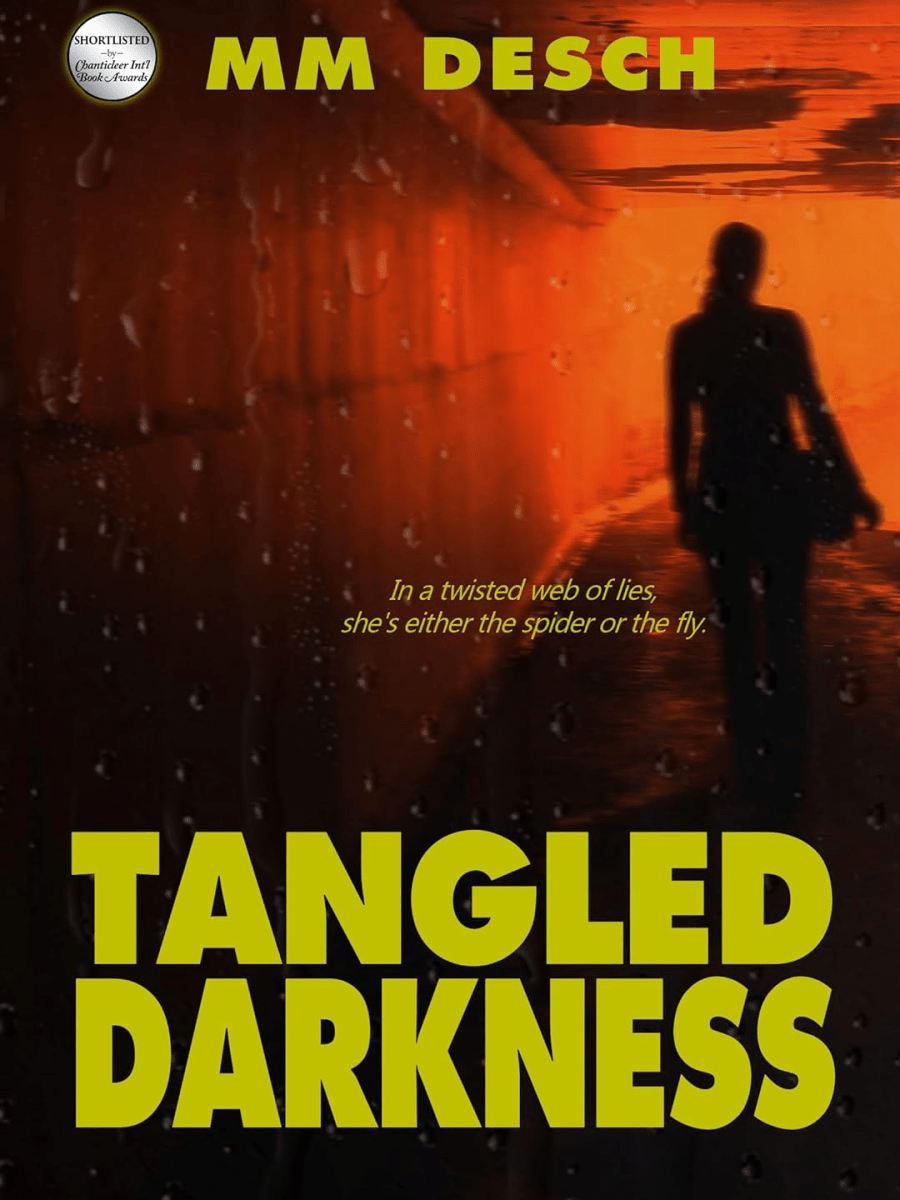
Tangled Darkness by M.M. Desch
Why would a successful psychiatrist with a stable marriage risk everything for something she didn’t even do? The answer lies deep in Tangled Darkness—but not where you think.
Keep reading
Reimagining Life Through Words and Service with Debra J. White
What happens when life’s hardest blows lead to unexpected purpose? Discover how Debra turned trauma, recovery, and rescued animals into writing and volunteer work that inspires resilience and connection.
Keep reading
Learning from the Land: A Conversation with Cathryn Wellner on Life’s Unexpected Lessons
Ever wondered what it’s like to raise sheep, pigs, and camels while learning life lessons along the way? Cathryn Wellner shares her unexpected journey, and readers will discover how she adapted and thrived.
Keep readingWe’d love to hear from you!
What are your thoughts on this piece? Share your insights in the comments below!
- What stood out to you most about this post?
- Have you read a book recently that relates to the themes discussed here?
- What’s your favorite takeaway or reflection from this write-up?
Let’s keep the conversation going—your thoughts make this space richer!
Disclaimer: The content on this site is provided for informational and inspirational purposes only. While we strive for accuracy, the views expressed in reviews, articles, and recommendations are subjective and may not reflect the opinions of all readers.
We receive complimentary copies of all books we review. However, this practice does not compromise the integrity or honesty of our reviews. Every write-up reflects the contributor’s genuine impressions and critical analysis, ensuring transparency and trust with our readers.
For a complete understanding of our practices, please refer to our full Disclaimer, Privacy Policy, and Terms of Service. These documents outline how we manage your information, ensure transparency, and uphold your rights as a user.
To request for a review, to nominate your favorite book for an award, or for more details about our awards, click here.
Other Stories
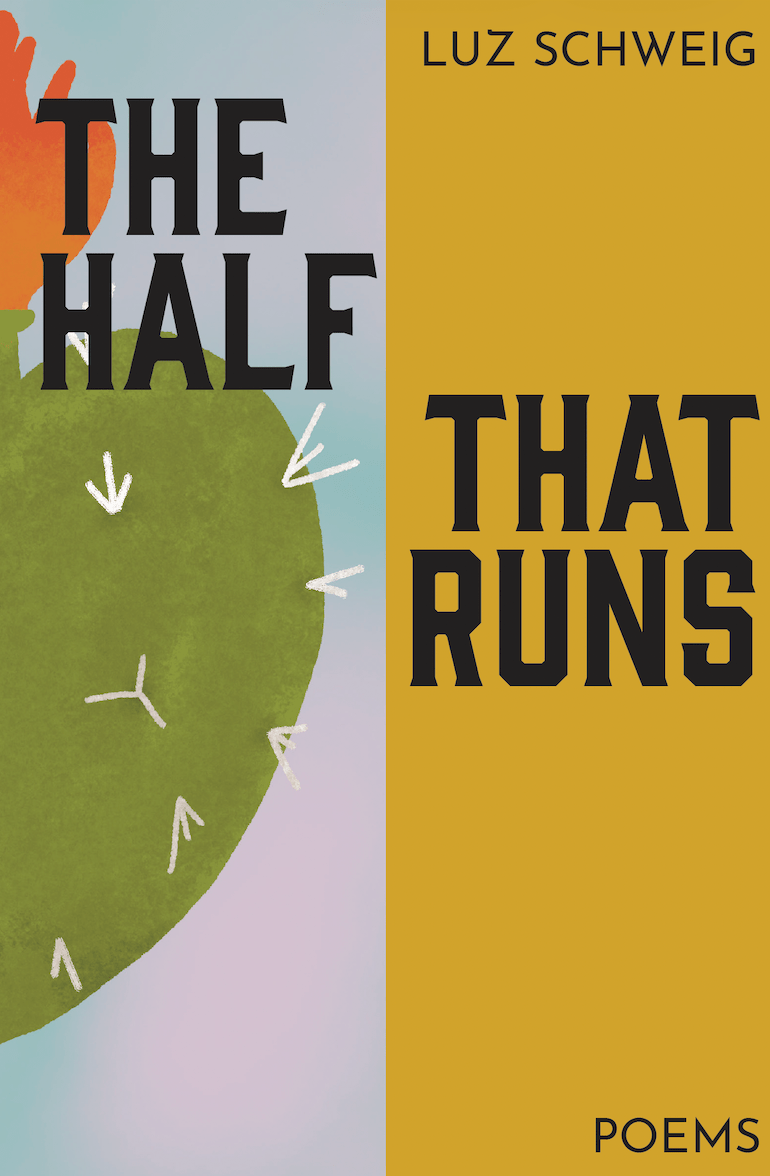
The Half That Runs by Luz Schweig
What if your memories had a geography—one that kept shifting under your feet like sand? Discover how The Half That Runs by Luz Schweig maps identity—read the full piece.
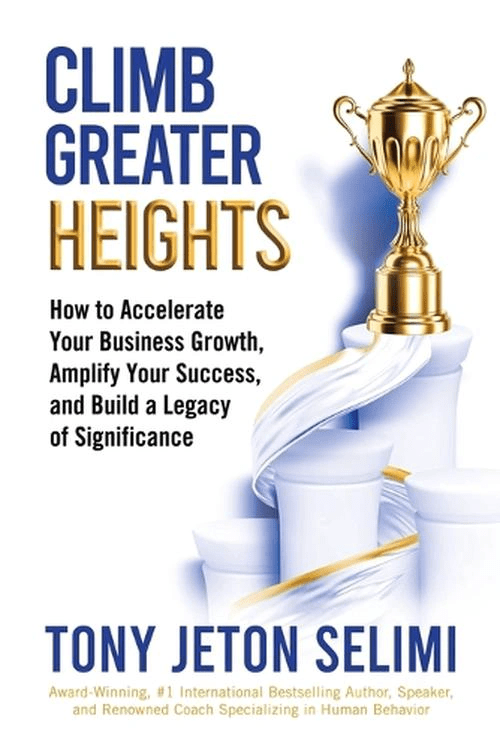
Book Review: Climb Greater Heights by Tony Jeton Selimi
What if your biggest business obstacle isn’t competition but something invisible within you? Discover the answer in Climb Greater Heights by Tony Jeton Selimi—read the full review to explore.
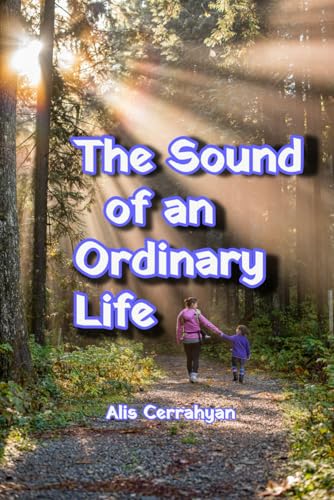
Review of The Sound of an Ordinary Life by Alis Cerrahyan
There are many ways to tell the story of a life. Some choose grand narratives, sweeping arcs of triumph and tragedy. Others, like The Sound of an Ordinary Life, find meaning in the quiet spaces, the moments that seem small but carry the entire weight of a person’s existence.

 OneTribune