
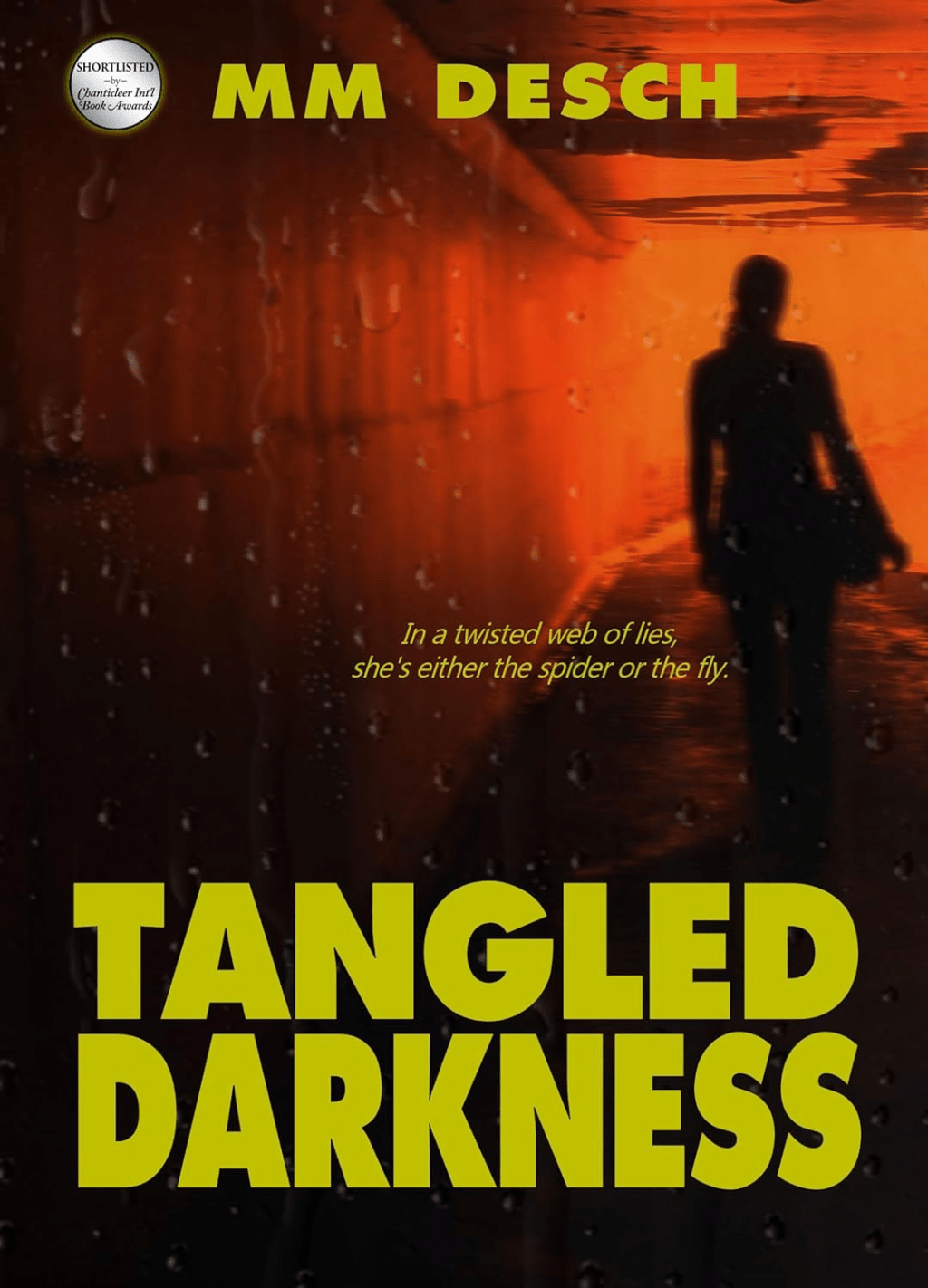
Content Warning: This novel contains themes of addiction, professional misconduct, psychological trauma, emotional manipulation, and mature content. While it avoids gratuitous violence or explicit scenes, the subject matter is intense and best suited for mature readers.
There’s a strange phenomenon in medicine and law alike: the more scrupulous someone is, the more vulnerable they become to exploitation. Tangled Darkness plunges readers into this conundrum with unnerving precision. Psychiatrist Leslie Schoen is one of the good ones—sharp, ethical, and deeply human. Yet her world implodes after a false accusation links her to the misuse of addictive drugs.
Here’s the twist: the real tension doesn’t come from whether she’s guilty—it’s how many people silently benefit from acting like she might be.
A Psychological Thriller Grounded in Authentic Experience
This is a rare thriller where the medical drama feels less like Grey’s Anatomy and more like real life. That’s because Desch, clearly informed by the world of addiction medicine, writes with the lived insight of someone who knows what a licensing board letter really feels like—terrifying, bureaucratic, and cold.
Desch never relies on cheap shocks. Instead, she weaponizes plausibility. As in many real-world medical scandals, a missing shipment of Suboxone isn’t just a supply error—it’s a potential felony. The story unspools like a diagnosis: slow, symptom by symptom, until the true condition is revealed.
Who This Book Is (and Isn’t) For
If you love adrenaline-fueled thrillers with assassins, shootouts, and unlikely spies, this book isn’t for you. Tangled Darkness is more about quiet betrayal and procedural realism. It’s perfect for readers who:
- Appreciate layered characters (especially strong, queer female leads).
- Value psychological realism and emotional depth.
- Work in, or are fascinated by, healthcare, law, or social work.
- Enjoy stories where justice hinges on ethics more than guns.
It may not click with readers who want fast-paced action without introspection or nuance.
Subplots with Real-World Weight
The relationship between Leslie and her wife Izzy is a cornerstone of the story—not as performative representation, but as a lived, complicated love. Their struggle with fertility, miscarriage, and trust in the face of systemic stressors is delicately handled. It reminded me of how couples can be strong because of their scars, not despite them.
The subplot about office dynamics—particularly the gradual unspooling of trust and hidden agendas—will feel uncannily familiar to anyone who’s worked in healthcare or corporate America. A minor miscommunication in inventory control spirals into career-destroying accusations. Who hasn’t seen that?
A Scientific Sidebar: Why Suboxone Matters
Suboxone (a mix of buprenorphine and naloxone) is a real-world game changer in addiction treatment. It’s also one of the most tightly regulated medications due to its abuse potential. That’s why losing track of it—or worse, being blamed for doing so—isn’t just a plot device; it’s a career killer. The stakes in Tangled Darkness are not fictional. They’re forensic.
Why This Story Sticks
Leslie’s greatest enemy isn’t a shadowy villain. It’s the slow erosion of credibility in a system designed to scrutinize but not support. That hits home for anyone in a high-accountability profession. And when you add a vulnerable pregnancy, a legacy of personal trauma, and an antagonistic office environment, you don’t need a killer in the basement—you already have a ticking bomb.
Final Verdict
Despite—or because of—its refusal to sensationalize, Tangled Darkness makes a mark. It’s thrilling, yes, but it’s also wise. It delivers sharp prose, medical realism, and emotional truth. It tells a story that hasn’t been told enough: what it feels like to be falsely accused in a system that doesn’t care whether you’re innocent, just whether you’re convenient.
You don’t read this to escape. You read it to understand.
We’d love to hear from you!
What are your thoughts on this piece? Share your insights in the comments below!
- What stood out to you most about this post?
- Have you read a book recently that relates to the themes discussed here?
- What’s your favorite takeaway or reflection from this write-up?
Let’s keep the conversation going—your thoughts make this space richer!
Disclaimer: The content on this site is provided for informational and inspirational purposes only. While we strive for accuracy, the views expressed in reviews, articles, and recommendations are subjective and may not reflect the opinions of all readers.
We receive complimentary copies of all books we review. However, this practice does not compromise the integrity or honesty of our reviews. Every write-up reflects the contributor’s genuine impressions and critical analysis, ensuring transparency and trust with our readers.
For a complete understanding of our practices, please refer to our full Disclaimer, Privacy Policy, and Terms of Service. These documents outline how we manage your information, ensure transparency, and uphold your rights as a user.
To request for a review, to nominate your favorite book for an award, or for more details about our awards, click here.
Other Stories
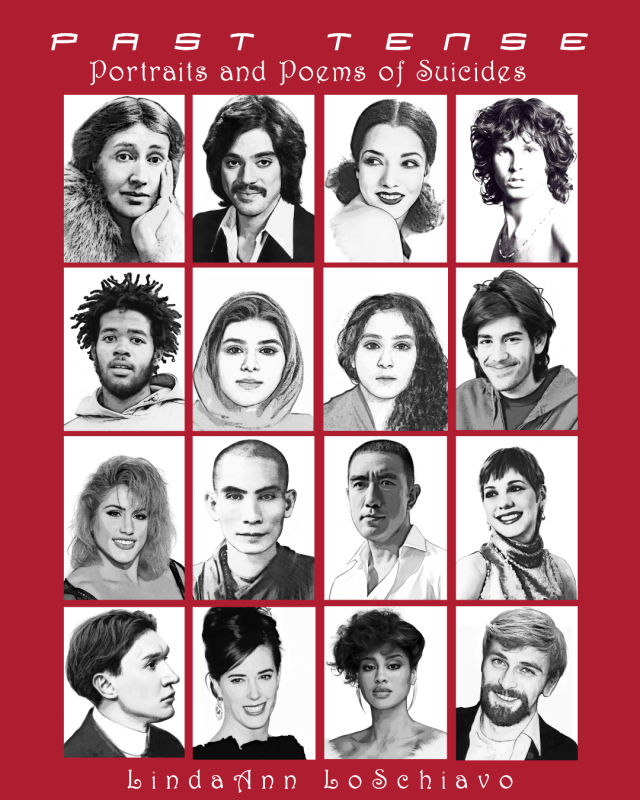
Past Tense by LindaAnn LoSchiavo
Can twenty-three different poetic forms make silence speak without pretending to know everything? Past Tense by LindaAnn LoSchiavo invites readers to investigate through poetry together.

Rajat Chohda: Exploring Conscious Living Through Reflection and Everyday Practice
Can a question about an ordinary family conversation change how you define success? Rajat Chohda explores this journey through his experiences, ideas, and writing; read the full interview to discover.
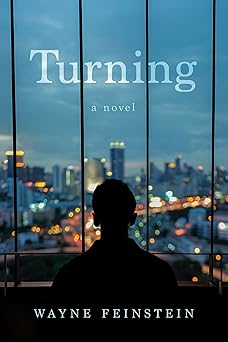
Turning by Wayne Feinstein
What if the loudest room you’ve ever entered was your own memory? Discover how Turning by Wayne Feinstein explores that unexpected question in our full review.


