
Genre: Historical Fiction
Sub-genres: Biographical Fiction, Indigenous History, Political Drama
Themes: Cultural Survival, Identity, Betrayal, Colonialism, Education, Family, Resistance, Love and Loss
Review of Red Clay, Running Waters
A piercing journey into the heart of a family—and a nation—on the edge of erasure.
History Is Not Past—It’s a Mirror
In every generation, there’s a story that manages to capture a seismic shift in the soul of a nation. This is one of them. Red Clay, Running Waters isn’t just historical fiction; it’s a pulse-check on national identity, told through the eyes and spirit of the Ridge family—key figures in the history of the Cherokee Nation.
Through Sarah and John Ridge, Leslie K. Simmons gives voice to the enduring tension between survival and principle. This book doesn’t just walk through history—it drags you through it, letting red clay cling to your boots.
Education, a Double-Edged Blade
John Ridge, also known as Skaleeloskee, is a young Cherokee sent north for schooling—a decision laced with hope, pride, and foreboding. His story is one of the earliest and most vivid portrayals of cultural assimilation, education, and resistance in the 19th-century.
Interestingly, anthropologists and historians alike note that education has often been used as both a tool of empowerment and a weapon of colonization. This novel brings that tension to life, showing how John’s journey is both enlightening and deeply alienating. Imagine learning Latin poetry while strangers call your family savages—what do you internalize, and what do you fight to retain?
The Quiet Thunder of Sarah Ridge
While much attention is given to John, it is Sarah, his wife, who functions as the emotional epicenter of the novel. Her internal monologue—especially in the novel’s opening chapter—feels like a whispered epilogue to a century of betrayal. And yet, her grief is universal: anyone who’s lost a partner or watched a family pulled by opposing forces will feel the weight of her words.
A Setting So Rich, You Can Smell the Firewood
You don’t just read this book—you feel the sleet, hear the organ in the Moravian church, smell the burning red clay, and see the early cities through Indigenous eyes. Simmons’ research is so immersive it’s practically ethnographic. This isn’t a Hollywood version of history—it’s a detailed, reverent reconstruction.
The use of real historical figures (like Major Ridge and John Ridge), their complex choices, and their tragic legacy surrounding the Cherokee removal, including the Trail of Tears, are rendered without simplification or sensationalism. The result is a work that belongs on both fiction shelves and educational reading lists.
Who Will Appreciate This Book?
This is for readers who value depth, nuance, and the richness of truth. Think fans of Barbara Kingsolver, Hilary Mantel, or those who were moved by Bury My Heart at Wounded Knee.
It’s probably not for readers looking for fast-paced plots or clear-cut heroes and villains. This book makes you think, ache, and wrestle with uncomfortable questions—like what it means to “progress” in a system designed to erase you.
Content Consideration
Content Warning: Includes themes of systemic racism, genocide, slavery, and cultural erasure. While handled thoughtfully and responsibly, younger or sensitive readers may need guidance.
Final Thoughts
There’s a Cherokee proverb that says, “Don’t let yesterday use up too much of today.” In Red Clay, Running Waters, yesterday is today. This book is a mirror that challenges readers to see how history echoes through families, laws, land—and language.
In Simmons’ hands, the past isn’t dead. It’s not even past. And that makes all the difference.
Book Excellence Award

The book is a recipient of the Book Excellence Award, which celebrates literary achievement, creativity, and impact. More than just a mark of quality, the award honors books that inspire, inform, and transform readers across the globe. Winners are chosen for their exceptional storytelling, compelling voice, and professional presentation. Earning a Book Excellence Award signifies not only outstanding craftsmanship but also meaningful contribution to the literary world.
We’d love to hear from you!
What are your thoughts on this piece? Share your insights in the comments below!
- What stood out to you most about this post?
- Have you read a book recently that relates to the themes discussed here?
- What’s your favorite takeaway or reflection from this write-up?
Let’s keep the conversation going—your thoughts make this space richer!
Disclaimer: The content on this site is provided for informational and inspirational purposes only. While we strive for accuracy, the views expressed in reviews, articles, and recommendations are subjective and may not reflect the opinions of all readers.
We receive complimentary copies of all books we review. However, this practice does not compromise the integrity or honesty of our reviews. Every write-up reflects the contributor’s genuine impressions and critical analysis, ensuring transparency and trust with our readers.
For a complete understanding of our practices, please refer to our full Disclaimer, Privacy Policy, and Terms of Service. These documents outline how we manage your information, ensure transparency, and uphold your rights as a user.
To request for a review, to nominate your favorite book for an award, or for more details about our awards, click here.
Other Stories

Reimagining Life Through Words and Service with Debra J. White
What happens when life’s hardest blows lead to unexpected purpose? Discover how Debra turned trauma, recovery, and rescued animals into writing and volunteer work that inspires resilience and connection.
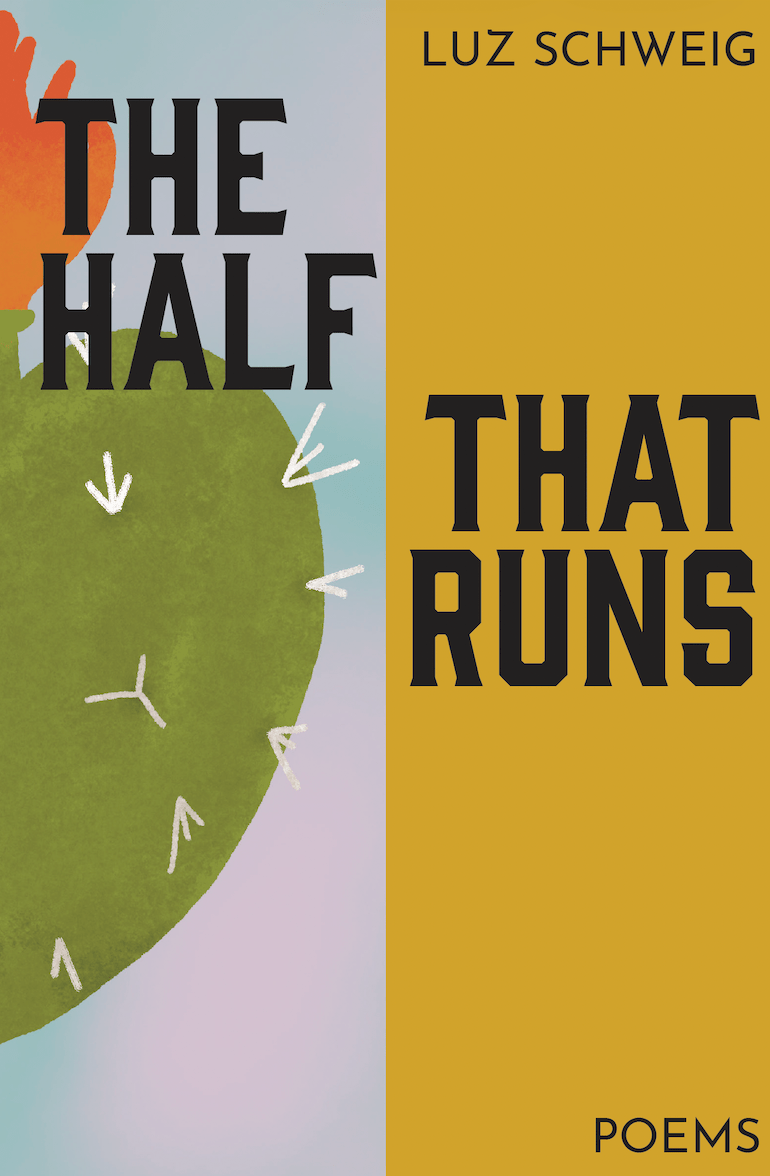
The Half That Runs by Luz Schweig
What if your memories had a geography—one that kept shifting under your feet like sand? Discover how The Half That Runs by Luz Schweig maps identity—read the full piece.
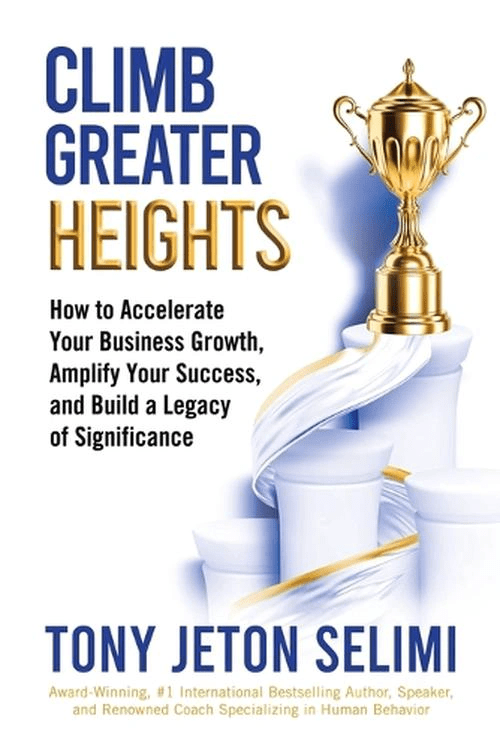
Book Review: Climb Greater Heights by Tony Jeton Selimi
What if your biggest business obstacle isn’t competition but something invisible within you? Discover the answer in Climb Greater Heights by Tony Jeton Selimi—read the full review to explore.

 OneTribune