
Genre: Juvenile Nonfiction
Sub-genres: Pet Loss, Emotional Wellness, Social Themes
Themes: Grief and Healing, Love and Memory, Family Connection, Emotional Expression
Review of Shadow
A picture book that gently traces loss through the eyes of a child—and finds soft places to land.
Why Picture Books Shouldn’t Shy from Big Feelings
What’s the “right” way to tell a child their dog has died? Most of us fumble for words. But that’s precisely where Shadow steps in—not as a replacement for those words, but as a bridge.
Mary & Michael Schmidt deliver a simple, sincere, and profoundly necessary story that validates a child’s emotions through the loss of a pet. Unlike many children’s books that dance around discomfort, Shadow walks hand-in-hand with it, offering not just comfort, but meaningful tools for emotional literacy.
Crayons, Trees, and the Science of Healing
Did you know that drawing and storytelling are proven techniques to help children process trauma? Psychologists have long found that creative expression helps encode memory in gentler ways. In Shadow, children are encouraged to draw, talk, and even plant something living in memory of their pet. This isn’t just poetic—it’s neurobiologically sound.
Neuroscience tells us that tangible rituals like planting a tree can help anchor emotional meaning in children’s brains. It’s not just symbolic; it’s therapeutic.
No Castles or Talking Bears—Just Real, Felt Life
This isn’t a book where a rainbow bridge is explained by magical characters. Instead, Shadow makes room for the sadness itself. The story resonates because it doesn’t rush to fix feelings; it allows them to unfold with safety and shared warmth.
The illustrations and language are clear and comforting, while the story remains rooted in reality. It’s a safe space wrapped in paper.
Notes from the Quiet Corners
Parents and caregivers will find value not only in the story but in the thoughtful, practical guidance included at the back. These aren’t generic tips; they’re specific, evidence-informed suggestions—like sharing your own sadness honestly, or recognizing that children grieve in their own way and time. One tip suggests simply saying, “I miss him too.” It’s both disarming and powerful.
Who This Book Is (and Isn’t) For
If you’re the type of reader who believes children should be shielded from sadness altogether, Shadow may challenge you—but in the best way. This book is for families who want to raise emotionally healthy, self-aware kids. It’s for teachers looking to support a grieving student, or friends of families dealing with pet loss.
It may not be for those looking for whimsical distraction or fantastical escapes. Instead, it’s a soft landing pad for one of childhood’s hardest moments.
A Gentle Word of Care
Content Warning: This book openly discusses pet death and grief in a developmentally appropriate way. While designed to support healing, adults should be present to guide young readers through emotional responses.
Final Thoughts
Shadow stands out not because it has grand adventures or mythical creatures, but because it doesn’t pretend grief isn’t real. It’s a gentle, artful, evidence-based introduction to the reality of loss—and a guiding light through it. It belongs on every shelf where honesty, empathy, and love live.
If you’ve ever wondered how to begin a conversation about death with a child, this book doesn’t offer the final word—but it offers the first one, tenderly.
Book Excellence Award

The book is a recipient of the Book Excellence Award, which celebrates literary achievement, creativity, and impact. More than just a mark of quality, the award honors books that inspire, inform, and transform readers across the globe. Winners are chosen for their exceptional storytelling, compelling voice, and professional presentation. Earning a Book Excellence Award signifies not only outstanding craftsmanship but also meaningful contribution to the literary world.
We’d love to hear from you!
What are your thoughts on this piece? Share your insights in the comments below!
- What stood out to you most about this post?
- Have you read a book recently that relates to the themes discussed here?
- What’s your favorite takeaway or reflection from this write-up?
Let’s keep the conversation going—your thoughts make this space richer!
Disclaimer: The content on this site is provided for informational and inspirational purposes only. While we strive for accuracy, the views expressed in reviews, articles, and recommendations are subjective and may not reflect the opinions of all readers.
We receive complimentary copies of all books we review. However, this practice does not compromise the integrity or honesty of our reviews. Every write-up reflects the contributor’s genuine impressions and critical analysis, ensuring transparency and trust with our readers.
For a complete understanding of our practices, please refer to our full Disclaimer, Privacy Policy, and Terms of Service. These documents outline how we manage your information, ensure transparency, and uphold your rights as a user.
To request for a review, to nominate your favorite book for an award, or for more details about our awards, click here.
Other Stories
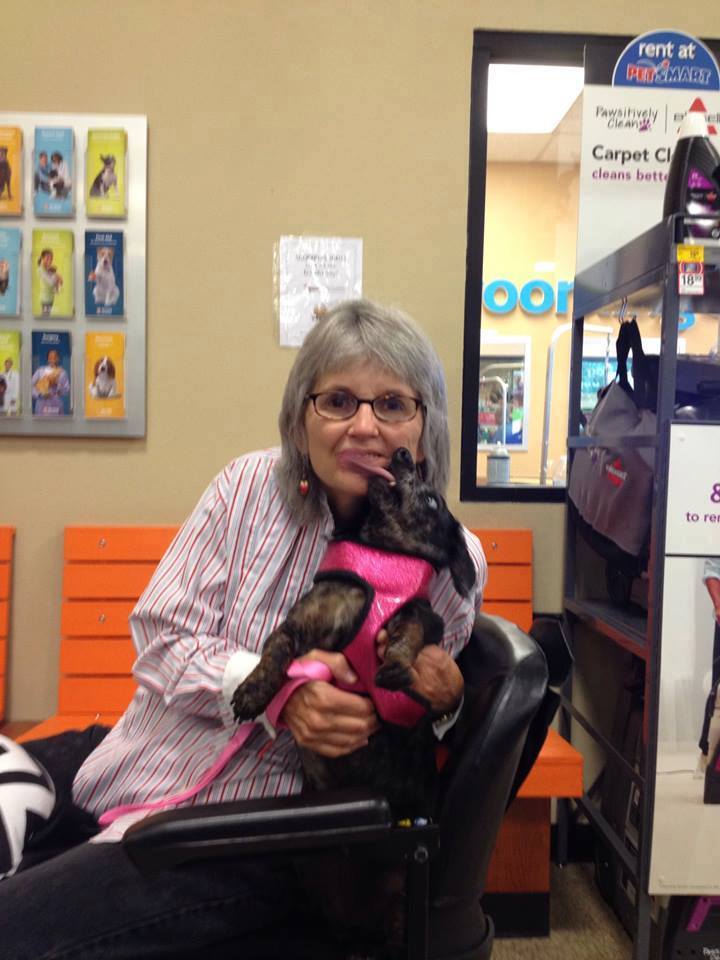
Reimagining Life Through Words and Service with Debra J. White
What happens when life’s hardest blows lead to unexpected purpose? Discover how Debra turned trauma, recovery, and rescued animals into writing and volunteer work that inspires resilience and connection.
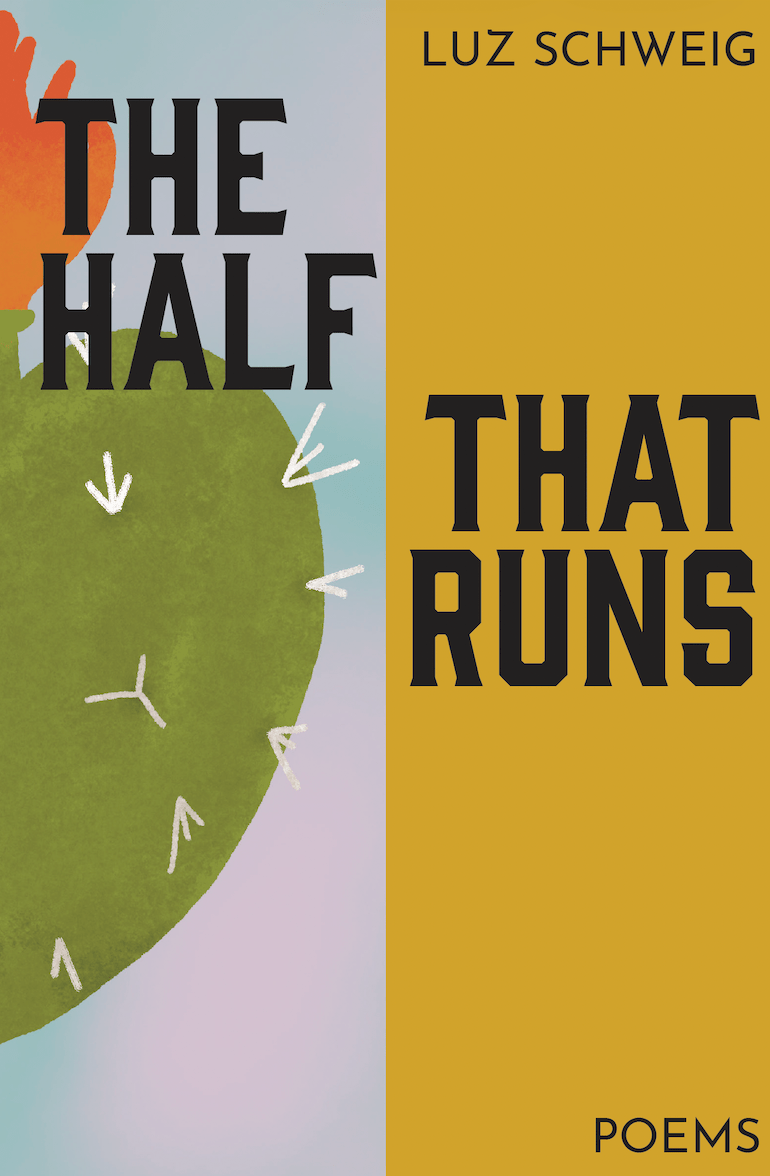
The Half That Runs by Luz Schweig
What if your memories had a geography—one that kept shifting under your feet like sand? Discover how The Half That Runs by Luz Schweig maps identity—read the full piece.
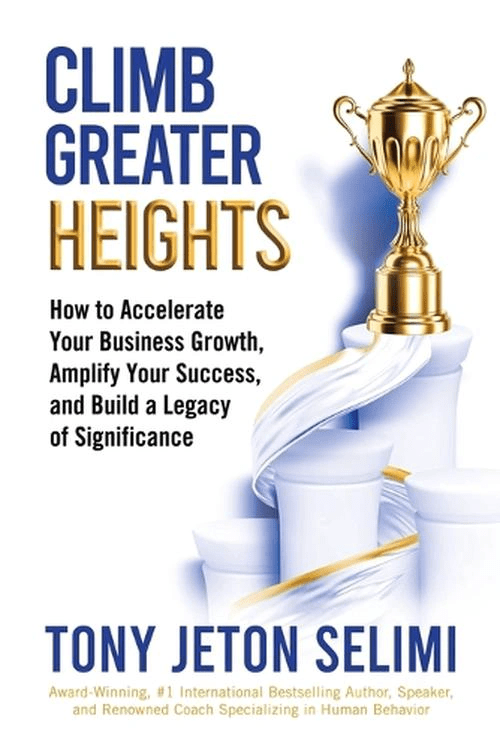
Book Review: Climb Greater Heights by Tony Jeton Selimi
What if your biggest business obstacle isn’t competition but something invisible within you? Discover the answer in Climb Greater Heights by Tony Jeton Selimi—read the full review to explore.

 OneTribune