
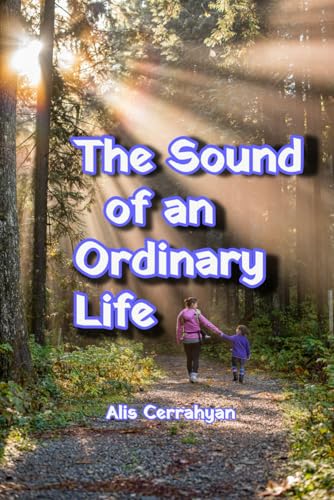
What does it mean to live a life that isn’t loud, famous, or even particularly tidy—but is deeply, achingly real?
The Sound of an Ordinary Life by Alis Cerrahyan doesn’t attempt to glamorize experience or retrofit past pain into some polished narrative arc. It doesn’t promise clarity, or closure, or even resolution. Instead, it delivers something far more precious and rare in memoir: honesty with room to breathe. This book reads like a slow exhale after a very long inhale you didn’t know you were holding.
Cerrahyan opens the door not to the public version of her life, but to the most private of internal landscapes: the conversation she never got to have with her younger self. And not a romanticized younger self. Not the precocious dreamer with sparkling eyes and infinite resilience. No, this is a bruised, cautious little girl—quieted too early by a world that rewarded obedience over curiosity. The child Cerrahyan returns to is a shadow—watchful, wounded, and still waiting for someone to explain why it all hurt so much.
What emerges from this dialogue is not just a portrait of a woman reckoning with her childhood, but a subtle exploration of identity as something continuously re-authored. The past here isn’t a fixed set of events, but a living archive Cerrahyan re-enters—not to correct it, but to finally witness it. She doesn’t excuse the harm, nor does she inflate her own suffering. She simply lays it out, plain and poetic, as though finally saying, “I was there. I see you. I believe you.”
What makes this work sing isn’t a dramatic plotline or a triumphant overcoming. It’s the radical tenderness with which Cerrahyan handles memory. Her life—marked by immigration, solitude, motherhood, and quiet creativity—isn’t presented as heroic. But it is sacred, in the way that all honest lives are. Her job in a beauty salon becomes not a career downgrade from unfulfilled dreams, but a theater of quiet transformation. Her failures aren’t shameful, just human. Even her missteps become soft footprints in a long walk toward self-acceptance.
There’s a line in the book about confidence being traded for humility—and in a world obsessed with performing certainty, that struck like a quiet thunderclap. Here is a woman who dared to stop pretending. She doesn’t tell her younger self that things turned out perfectly. She tells her that she kept showing up. That she tried. That she never stopped listening, even when the world got loud and cruel. That she kept the child’s questions alive, even when no one had answers.
This is not a flashy book. It’s not a fast read. It’s the kind of story you sit with the way you’d sit with an old friend who’s been through something real. It’s the space between words. The catch in a voice. The sound of someone telling the truth—not for applause, but for peace.
The Sound of an Ordinary Life gets five stars, not because it fits the mold of a perfect book, but because it bravely refuses to. Because it invites you to look at your own quiet, unassuming existence and say: this, too, matters.
No fanfare. No filters. Just the quiet power of a woman finally turning toward the girl she once was, and listening.
Words Across the Waters Book Award

The book is a Words Across the Waters Book Award winner, celebrated as one of the books that go beyond the surface and offer readers deep cultural insights and transformative experiences. Whether a work of fiction, memoir, or poetry collection, we seek stories that are not only well-crafted but also offer windows into the lives, traditions, and histories that shape our world. Our award-winning books challenge us to see through the eyes of others, face unfamiliar experiences, and reflect on the universal themes that bind us together.
We’d love to hear from you!
What are your thoughts on this piece? Share your insights in the comments below!
- What stood out to you most about this post?
- Have you read a book recently that relates to the themes discussed here?
- What’s your favorite takeaway or reflection from this write-up?
Let’s keep the conversation going—your thoughts make this space richer!
Disclaimer: The content on this site is provided for informational and inspirational purposes only. While we strive for accuracy, the views expressed in reviews, articles, and recommendations are subjective and may not reflect the opinions of all readers.
We receive complimentary copies of all books we review. However, this practice does not compromise the integrity or honesty of our reviews. Every write-up reflects the contributor’s genuine impressions and critical analysis, ensuring transparency and trust with our readers.
For a complete understanding of our practices, please refer to our full Disclaimer, Privacy Policy, and Terms of Service. These documents outline how we manage your information, ensure transparency, and uphold your rights as a user.
To request for a review, to nominate your favorite book for an award, or for more details about our awards, click here.
Other Stories

Reimagining Life Through Words and Service with Debra J. White
What happens when life’s hardest blows lead to unexpected purpose? Discover how Debra turned trauma, recovery, and rescued animals into writing and volunteer work that inspires resilience and connection.
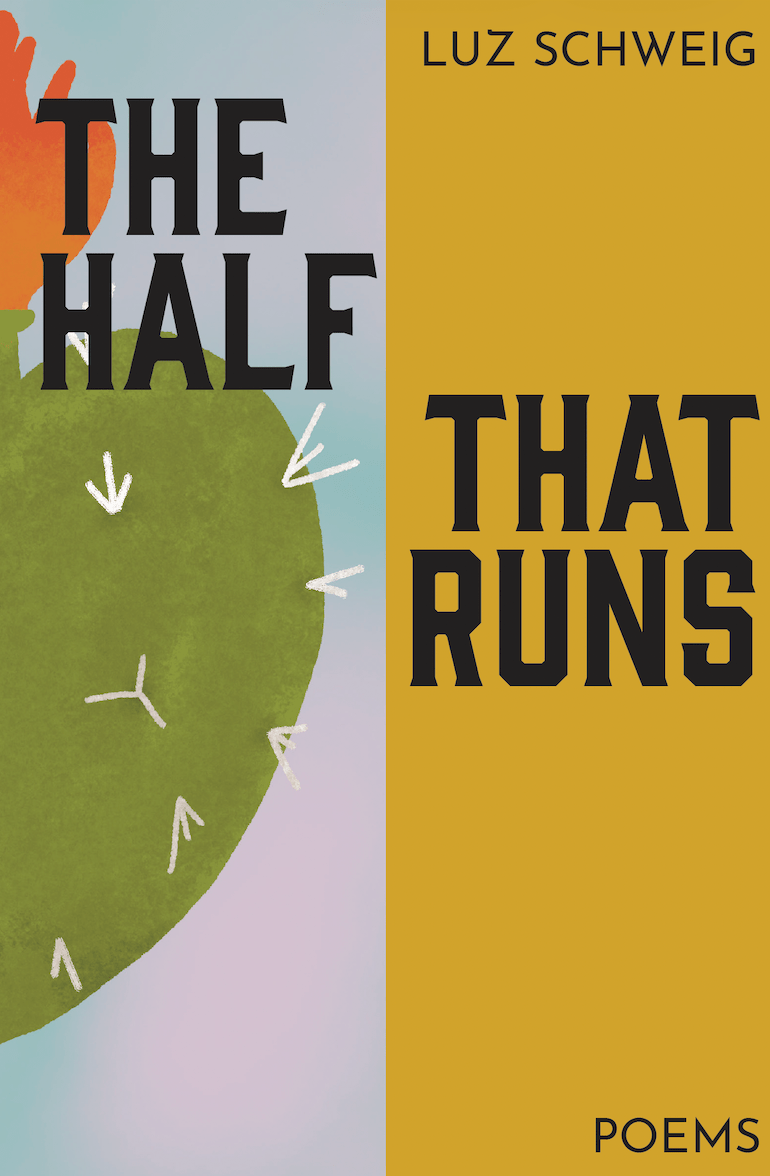
The Half That Runs by Luz Schweig
What if your memories had a geography—one that kept shifting under your feet like sand? Discover how The Half That Runs by Luz Schweig maps identity—read the full piece.
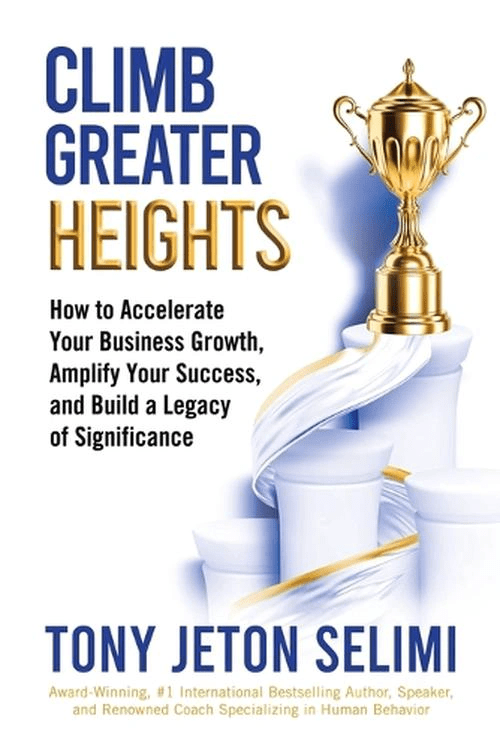
Book Review: Climb Greater Heights by Tony Jeton Selimi
What if your biggest business obstacle isn’t competition but something invisible within you? Discover the answer in Climb Greater Heights by Tony Jeton Selimi—read the full review to explore.

 OneTribune
