
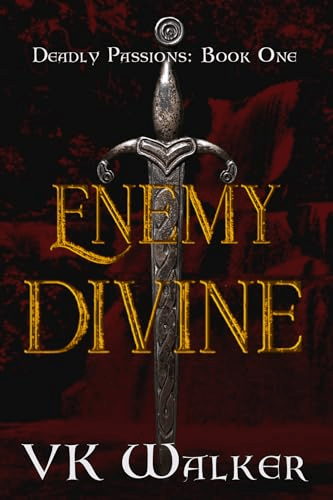
Imagine waking up after a wild night of debauchery, only to realize your royal accounts have been revoked, you smell like a bordello, and you’ve been thrown into the alley with nothing but sarcasm and swordsmanship to your name. Welcome to Enemy Divine, where the gods are horny, the goblins are cunning, and morality is more a suggestion than a rule.
The book opens with a swagger and a smirk, introducing Prince Thraceon, a Fairie royal with a drinking problem and a libido larger than his coin purse. But this isn’t just another raunchy fantasy novel. Beneath the bawdy banter lies a surprisingly rich sociopolitical framework that examines privilege, survival, and the cost of peace.
A Tale of Two Powers: Strife and Submission
One of the novel’s most innovative plotlines involves Axir, the God of Strife, who descends into the mortal realm for his annual “pleasure sabbatical”—a weeklong escape into bodily indulgence to prevent metaphysical meltdown. He selects Xenrael, a reserved yet enigmatic Vampyre whore, for his companion. What follows is not just eroticism, but an unsettling exploration of agency, identity, and spiritual malaise.
This pairing isn’t just about lust. It’s a cleverly disguised vehicle for examining the ethics of power, consent, and performance in both divine and mortal terms. Axir’s godhood may grant him omnipotence, but not understanding. Xenrael, with his hollow stare and passive obedience, quietly resists becoming a metaphor for everyone who has ever “consented” out of survival.
Worldbuilding That Doesn’t Babysit
Nital, the story’s setting, is a magikal dimension that operates on rigid caste systems, currency politics, and a delicately maintained balance of magik. The glossary at the front is a necessary compass—this book throws readers into the deep end. From Cubi who feed on sex to Ogres who deflect magik and can’t spell “strategy,” the world is wildly imaginative and unapologetically complex.
The narrative expects the reader to keep up, which makes the experience rewarding for those who prefer lore-rich, adult fantasy. Scientific concepts like genetic memory, hive minds, and elemental magik are casually woven into the plot without much exposition, inviting re-readability and reflection.
Who This Book Is (and Isn’t) For
Perfect For:
- Adults who enjoy the darker, sensual corners of fantasy.
- Readers who appreciate political subtext, especially around power and privilege.
- Fans of character-driven plots with equal parts humor and gravitas.
- People unbothered by moral ambiguity and complex sexual dynamics.
Not For:
- Those seeking a clean or young adult fantasy read.
- Readers averse to strong language, sex work depictions, or non-traditional relationships.
- Those who dislike layered plots and non-linear character arcs.
Final Thoughts: More Than Meets the Eye
On the surface, Enemy Divine reads like a salacious fantasy romp—but dig deeper and you’ll find a satire of divine hypocrisy, a critique of patriarchal lineage, and a bold question about who really owns desire. It’s clever without being smug, sexy without being soulless, and philosophical without being ponderous.
Whether you root for the Fairie prince, the Goblin warrior, or the disinterested god, you’ll leave this book with a head full of questions and a heart strangely stirred.
Content Warning
This book contains explicit sexual content, strong language, drug use, graphic violence, and adult themes such as consensual sex work, discrimination, and power imbalance. Not suitable for children or sensitive readers.
We’d love to hear from you!
What are your thoughts on this piece? Share your insights in the comments below!
- What stood out to you most about this post?
- Have you read a book recently that relates to the themes discussed here?
- What’s your favorite takeaway or reflection from this write-up?
Let’s keep the conversation going—your thoughts make this space richer!
Disclaimer: The content on this site is provided for informational and inspirational purposes only. While we strive for accuracy, the views expressed in reviews, articles, and recommendations are subjective and may not reflect the opinions of all readers.
We receive complimentary copies of all books we review. However, this practice does not compromise the integrity or honesty of our reviews. Every write-up reflects the contributor’s genuine impressions and critical analysis, ensuring transparency and trust with our readers.
For a complete understanding of our practices, please refer to our full Disclaimer, Privacy Policy, and Terms of Service. These documents outline how we manage your information, ensure transparency, and uphold your rights as a user.
To request for a review, to nominate your favorite book for an award, or for more details about our awards, click here.
Other Stories

Reimagining Life Through Words and Service with Debra J. White
What happens when life’s hardest blows lead to unexpected purpose? Discover how Debra turned trauma, recovery, and rescued animals into writing and volunteer work that inspires resilience and connection.
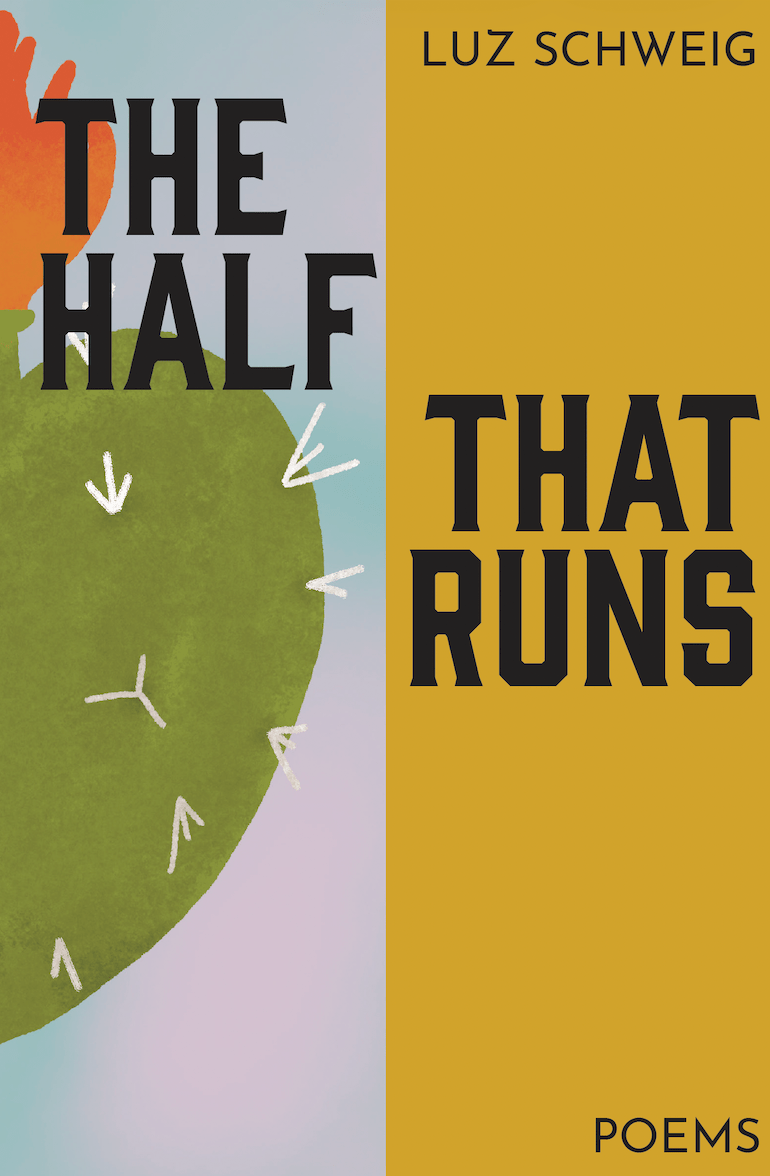
The Half That Runs by Luz Schweig
What if your memories had a geography—one that kept shifting under your feet like sand? Discover how The Half That Runs by Luz Schweig maps identity—read the full piece.
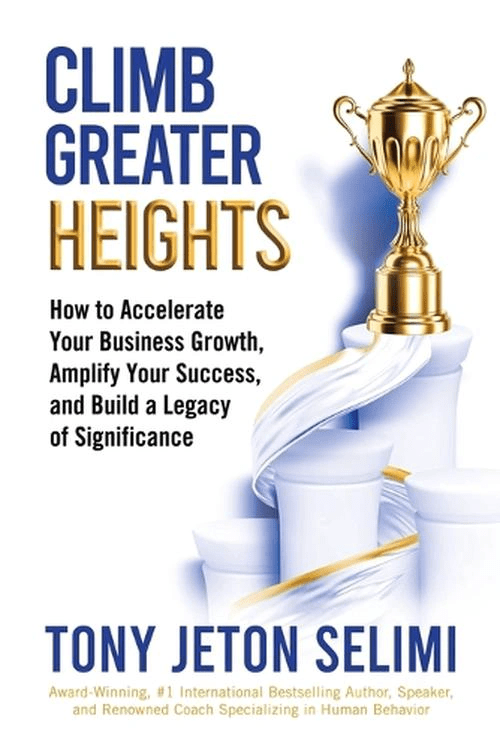
Book Review: Climb Greater Heights by Tony Jeton Selimi
What if your biggest business obstacle isn’t competition but something invisible within you? Discover the answer in Climb Greater Heights by Tony Jeton Selimi—read the full review to explore.
 OneTribune