
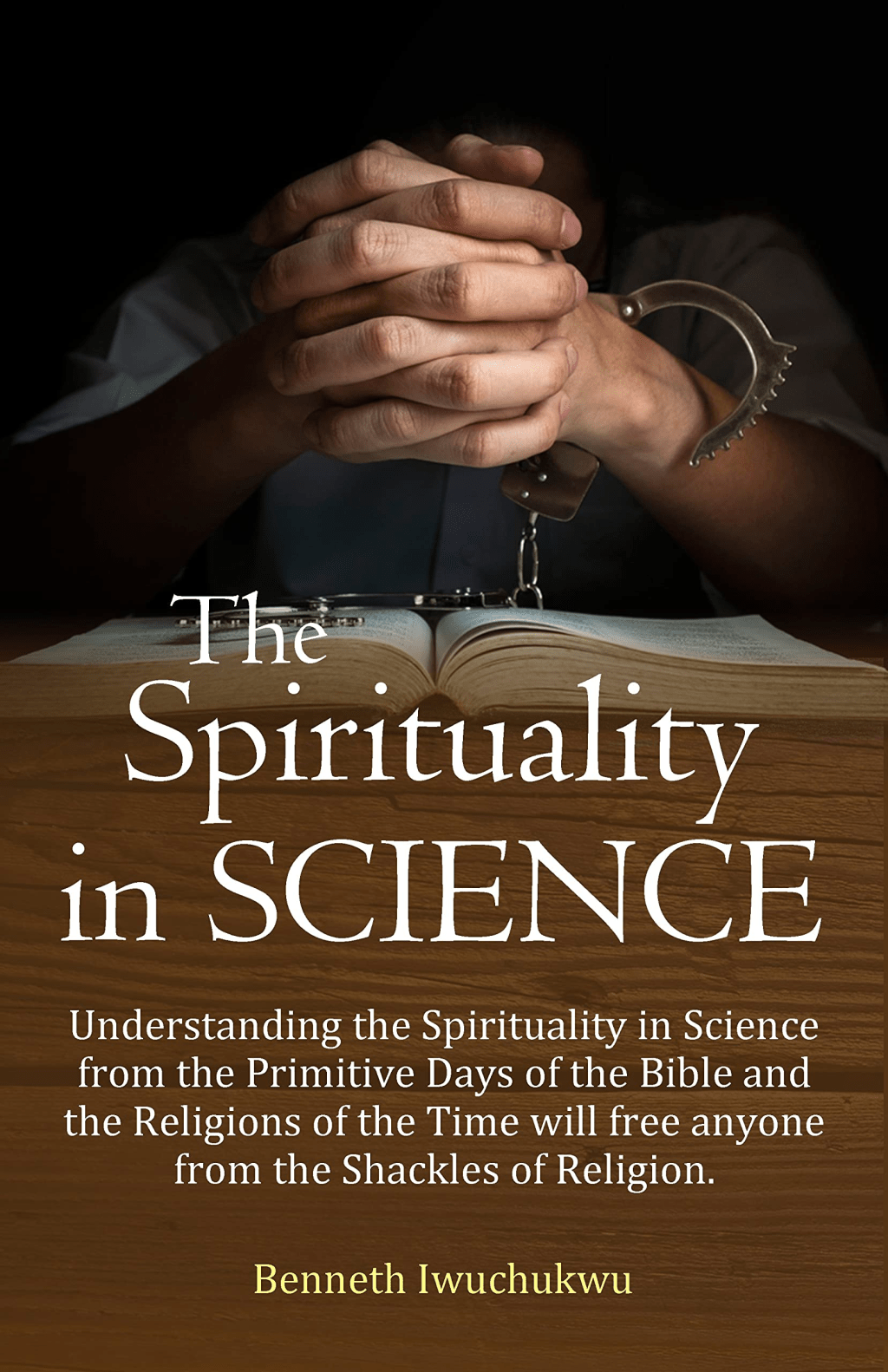
Goodreads link: https://www.goodreads.com/book/show/62593969-the-spirituality-in-science
Benneth Iwuchukwu’s The Spirituality in Science takes on an audacious mission: to completely upend humanity’s understanding of spirituality, religion, and the very nature of existence. With a compelling mix of bold hypotheses and challenging arguments, Iwuchukwu positions the book as a philosophical journey for those willing to reconsider long-held beliefs about the divine, the role of science, and the future of human evolution.
Rather than simply critique religion or spirituality, this book offers something far more provocative: an alternative framework for human life. Iwuchukwu introduces Kingdomainity, a new philosophy that elevates science, intellect, and individual agency as the true means to achieve god-like status. According to this worldview, humanity’s goal isn’t to worship external gods, but to realize godhood through the full potential of the human brain.
The End of Spirituality: A Philosophical Turn
One of the most striking aspects of the book is its rejection of spirituality as “a hoax.” This bold claim challenges the reader to reconsider the very foundations of faith. Iwuchukwu suggests that spirituality, like alchemy before it, will ultimately give way to more advanced, scientifically grounded ways of understanding and improving life. He contends that the human brain, our most powerful tool, holds the key to achieving immortality, invincibility, and prosperity — not through mystical or religious practices, but through intellectual and scientific discovery.
The philosophical premise here is rooted in the notion that humans are naturally designed to become like their creator through the use of their brains. The book proposes that as humans grow more reliant on their analytical thinking, religion and spirituality will fade away, making way for a new, science-driven path to personal divinity.
The Science of Miracles and the Pursuit of Immortality
A particularly captivating portion of the book is its treatment of miracles. Iwuchukwu proposes that the miracles attributed to Christ—such as resurrection and healing—are not supernatural events, but the application of advanced science and technology. In this view, “miracles” are simply science that humanity has yet to understand fully. This radical reimagining aligns with the author’s overall thesis: that science holds the answers to life’s greatest mysteries, including death itself.
In this vision, immortality isn’t a distant myth or a spiritual reward, but an achievable reality through technological and scientific advancements. Iwuchukwu looks toward a future in which biological immortality, enabled by advanced science, becomes commonplace. His assertion that humanity is on the brink of developing immortality technology offers a striking glimpse into a world where life’s most enduring problem—death—could be eradicated.
A Provocative Yet Philosophically Grounded Approach
While the ideas presented in The Spirituality in Science are undoubtedly provocative, the book doesn’t merely present a utopian fantasy. Iwuchukwu intertwines his futuristic vision with tangible critiques of present-day society, particularly the ways in which religion and mysticism have been used to justify inaction and hinder human progress. He argues that much of the world’s stagnation is due to humanity’s reliance on spiritual explanations and supernatural beliefs rather than on critical thinking, problem-solving, and scientific advancement.
The book also challenges the reader to confront uncomfortable truths: how much of our current suffering—whether through disease, conflict, or inequality—stems from the abandonment of reason in favor of faith-based solutions? In Iwuchukwu’s view, the path to overcoming these tribulations lies not in prayer or ritual, but in the conscious application of the human brain to solve real-world problems.
Who Is This Book For?
This book is not for the faint of heart. It’s aimed at readers who are willing to challenge their most deeply held beliefs about spirituality, religion, and the role of science in human life. If you’ve ever wondered what lies beyond the traditional boundaries of faith, or if you’re intrigued by the potential for science to radically reshape human existence, this book will both provoke and inspire.
However, The Spirituality in Science may be unsettling for those who find comfort in traditional religious or spiritual frameworks. Its sweeping rejection of religion and its demand for a completely new way of thinking will no doubt alienate some, but for others, it will serve as a catalyst for deep reflection and intellectual growth.
Final Thoughts: A Book for the Future
The Spirituality in Science is a book that dares to imagine a future where humanity transcends traditional religious and spiritual limitations and takes its place as the ultimate creators of its own destiny. It asks the reader to leave behind ancient beliefs and embrace the full potential of human intellect and scientific discovery as the true path to godhood.
Whether you agree with the book’s central arguments or not, it undoubtedly challenges readers to think in new and profound ways about the relationship between faith, science, and human progress. It’s an audacious call to action, one that encourages us to abandon our reliance on the supernatural and instead use our greatest asset—the human mind—to shape a future where anything, including immortality, is possible.
Book World Front Award

This book is a winner of the Book World Front Award, an accolade that celebrates extraordinary literature from around the globe. It honors stories that bring universal themes to life and resonate across cultures. Aligned with our mission to explore the world through words, this award spotlights voices that inspire, connect, and showcase the power of global storytelling—where every story takes center stage.
We’d love to hear from you!
What are your thoughts on this piece? Share your insights in the comments below!
- What stood out to you most about this post?
- Have you read a book recently that relates to the themes discussed here?
- What’s your favorite takeaway or reflection from this write-up?
Let’s keep the conversation going—your thoughts make this space richer!
Disclaimer: The content on this site is provided for informational and inspirational purposes only. While we strive for accuracy, the views expressed in reviews, articles, and recommendations are subjective and may not reflect the opinions of all readers.
We receive complimentary copies of all books we review. However, this practice does not compromise the integrity or honesty of our reviews. Every write-up reflects the contributor’s genuine impressions and critical analysis, ensuring transparency and trust with our readers.
For a complete understanding of our practices, please refer to our full Disclaimer, Privacy Policy, and Terms of Service. These documents outline how we manage your information, ensure transparency, and uphold your rights as a user.
To request for a review, to nominate your favorite book for an award, or for more details about our awards, click here.
Other Stories

Reimagining Life Through Words and Service with Debra J. White
What happens when life’s hardest blows lead to unexpected purpose? Discover how Debra turned trauma, recovery, and rescued animals into writing and volunteer work that inspires resilience and connection.

The Half That Runs by Luz Schweig
What if your memories had a geography—one that kept shifting under your feet like sand? Discover how The Half That Runs by Luz Schweig maps identity—read the full piece.
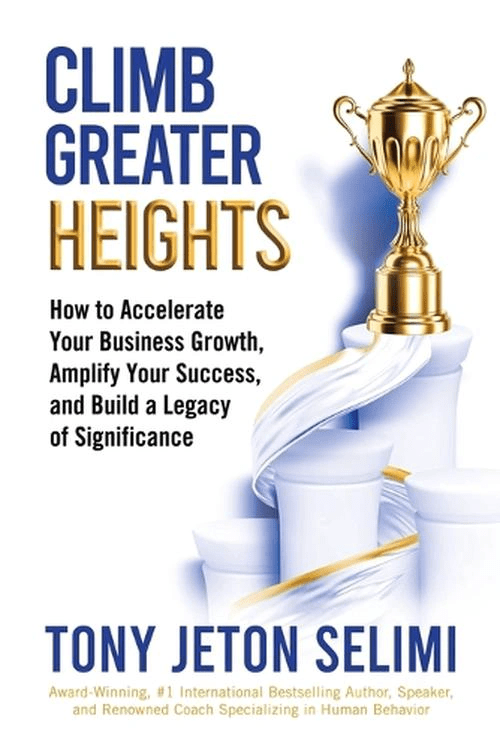
Book Review: Climb Greater Heights by Tony Jeton Selimi
What if your biggest business obstacle isn’t competition but something invisible within you? Discover the answer in Climb Greater Heights by Tony Jeton Selimi—read the full review to explore.

 OneTribune
