
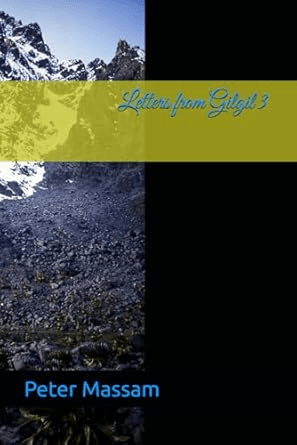
The third installment in Peter Massam’s Letters from Gilgil series completes a remarkable arc of quiet, thoughtful exploration. If volume one was the warm-up, and volume two the crescendo of movement and wildlife, this final entry is the exhale. It’s where reflection and awe merge into something more intimate—something enduring. And despite this reflective tone, it’s arguably the most adventurous of the three: a climb up Mount Kenya to see Halley’s Comet, a solo journey into Turkana’s volcanic desert, and a farewell safari with time running out.
Many travel memoirs run out of energy by the third book. Massam’s doesn’t. It changes shape.
The Ultimate Classroom: Climbing Mountains, Watching Stars
Have you ever watched a comet from a glacial saddle 16,000 feet up, having just boiled rice in a corrie lake? You will here. The chapter on the Mt. Kenya climb is the book’s spine—not because it’s the most dramatic, but because it symbolizes the series’ intent: pushing further to understand, to see, to be humbled.
There’s subtle scientific literacy throughout. When the group experiments with the Coriolis effect at the Equator to test water’s rotation, it’s delightful. When the narrator muses about volcanic rock layers or fossilized vertebrae the size of dinner plates, it’s understated but rooted in real geology and paleontology. When he finds obsidian or fossilized Nile perch remains, there’s a childlike sense of discovery—but also a recognition of deep time. Few travel memoirs are this grounded in actual science without sounding like textbooks.
Culture Without Cliché
Massam avoids the trap many travel writers fall into: exoticizing. His descriptions of the Turkana and El Molo peoples are affectionate, observant, and respectful. Whether it’s the elegance of a wooden headrest used as a pillow or the radiant beadwork worn by dancing women, these aren’t souvenirs—they’re testimonies. He neither romanticizes poverty nor reduces dignity to hardship. Instead, he simply pays attention. That’s rare.
One anecdote stands out: the narrator sleeps poorly on hardened pumice while admiring how Turkana tribespeople rest peacefully using carved wooden headrests to protect elaborate feathered hairstyles. It’s a short scene but says so much—about ingenuity, discomfort, admiration, and how cultural practices are often more adaptable than they appear to outsiders.
Memory as Landscape, Landscape as Memory
Massam’s real subject, beneath the safaris and school outings, is memory. What do we do with places once we leave them? Can we reconstruct a lost letter—or a vanished path—or even a vanishing culture?
The final chapter turns meta in the best way. As he describes using online satellite maps to reconstruct journeys from the 1980s, or notes that one endangered antelope he photographed might now be extinct in that area, we’re reminded that this isn’t just a memoir. It’s a record of things that may no longer be. This is especially poignant when he discusses the decline of the El Molo language or the fate of the Ader’s duiker—a rarely seen forest antelope that he may have captured on film.
What’s at Stake—and What Isn’t
There’s no manufactured drama here. Massam doesn’t create conflict where there is none. The stakes are existential, not emotional: Will this tribe survive? Will this glacier? Will this story? And yet the tone remains calm, never alarmist. It trusts the reader to care without being coerced.
He ends not with triumph or tragedy, but with a quiet appeal: preserve what you can, while you can. Share the stories. Learn the names. Look up at the stars now and then.
Final Verdict: For Readers, Families, Educators, and Planet-Keepers
This series concludes on exactly the right note—wise, affectionate, humble. It’s perfect for family reading, especially for those interested in natural sciences, geography, world cultures, and environmental stewardship. Its language is simple but not simplistic; its emotions are genuine, not sentimental.
Rating: ⭐⭐⭐⭐⭐ (5 out of 5 stars)
Yes, this third volume earns 5 stars. It’s a graceful, vital farewell to a place that clearly transformed the author—and now transforms the reader.
Book World Front Award

This book is a winner of the Book World Front Award, an accolade that celebrates extraordinary literature from around the globe. It honors stories that bring universal themes to life and resonate across cultures. Aligned with our mission to explore the world through words, this award spotlights voices that inspire, connect, and showcase the power of global storytelling—where every story takes center stage.
We’d love to hear from you!
What are your thoughts on this piece? Share your insights in the comments below!
- What stood out to you most about this post?
- Have you read a book recently that relates to the themes discussed here?
- What’s your favorite takeaway or reflection from this write-up?
Let’s keep the conversation going—your thoughts make this space richer!
Disclaimer: The content on this site is provided for informational and inspirational purposes only. While we strive for accuracy, the views expressed in reviews, articles, and recommendations are subjective and may not reflect the opinions of all readers.
We receive complimentary copies of all books we review. However, this practice does not compromise the integrity or honesty of our reviews. Every write-up reflects the contributor’s genuine impressions and critical analysis, ensuring transparency and trust with our readers.
For a complete understanding of our practices, please refer to our full Disclaimer, Privacy Policy, and Terms of Service. These documents outline how we manage your information, ensure transparency, and uphold your rights as a user.
To request for a review, to nominate your favorite book for an award, or for more details about our awards, click here.
Other Stories
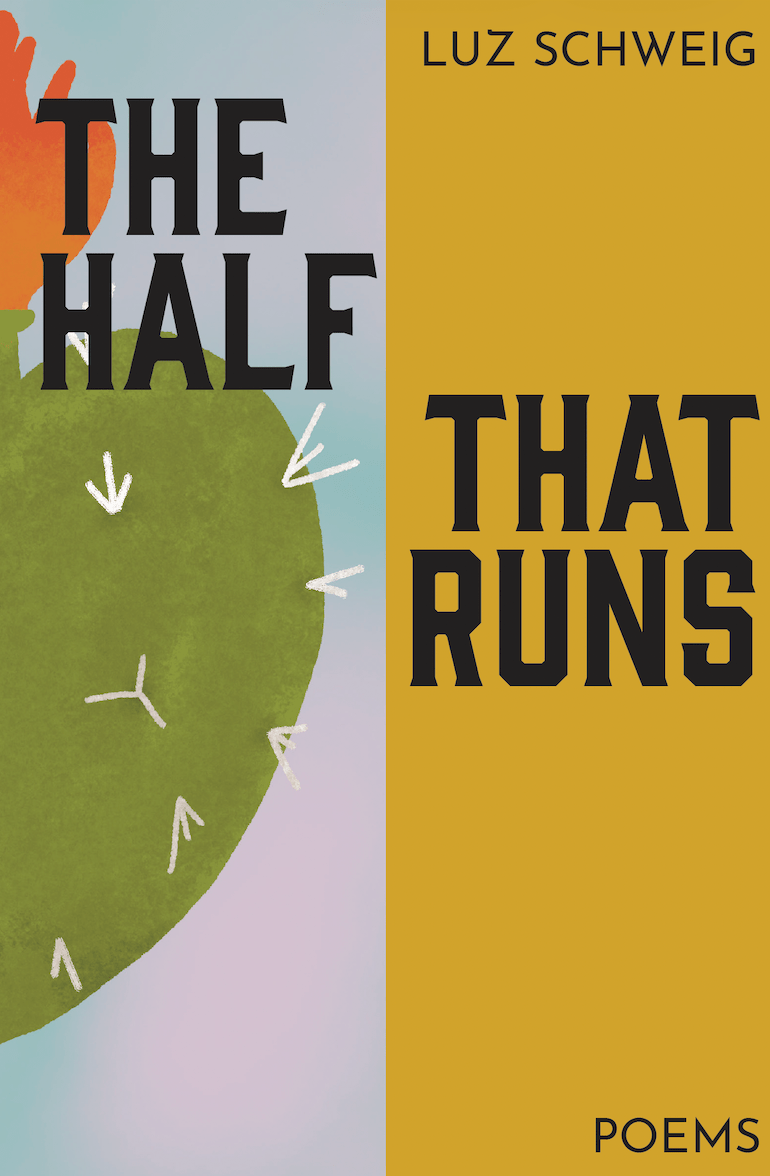
The Half That Runs by Luz Schweig
What if your memories had a geography—one that kept shifting under your feet like sand? Discover how The Half That Runs by Luz Schweig maps identity—read the full piece.
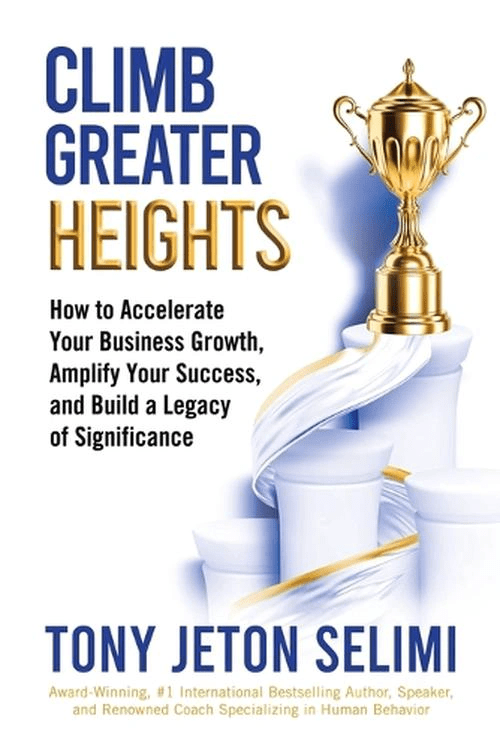
Book Review: Climb Greater Heights by Tony Jeton Selimi
What if your biggest business obstacle isn’t competition but something invisible within you? Discover the answer in Climb Greater Heights by Tony Jeton Selimi—read the full review to explore.
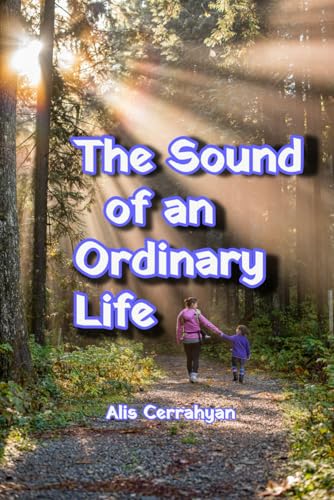
Review of The Sound of an Ordinary Life by Alis Cerrahyan
There are many ways to tell the story of a life. Some choose grand narratives, sweeping arcs of triumph and tragedy. Others, like The Sound of an Ordinary Life, find meaning in the quiet spaces, the moments that seem small but carry the entire weight of a person’s existence.

 OneTribune
