Content Warning: This review discusses unconventional reinterpretations of religious, spiritual, and scientific concepts. Readers who may find critical takes on spirituality or traditional theology upsetting should proceed with discretion.
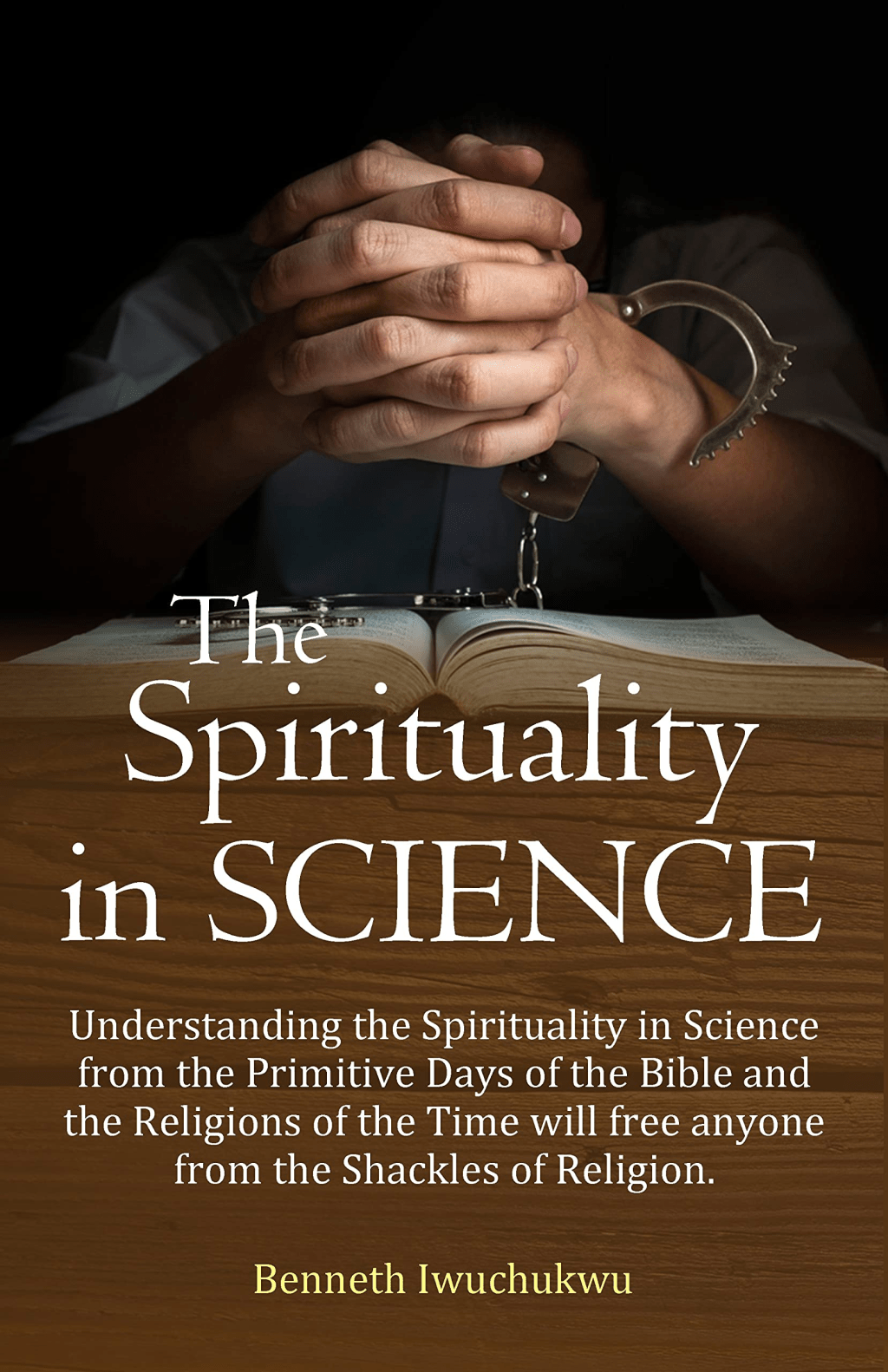
Imagine walking into a hardware store for a hammer and accidentally starting a philosophical revolution. That’s what The Spirituality in SCIENCE feels like—a provocative manuscript wielding empirical logic as a crowbar against long-established beliefs.
Benneth Iwuchukwu’s book is not a critique of religion from the outside; it is an attempted reinvention of Christianity, using the tools of systems thinking, historical trends, and speculative biology. The author doesn’t argue against spirituality per se—he declares it obsolete, like alchemy before chemistry.
Brainpower as Salvation?
Iwuchukwu makes a radical proposition: that humanity’s ultimate calling is not to seek divine favor through worship, but to unlock immortality through the full use of our brains. He treats the brain as a “microcomputer” more powerful than any mystical force.
He argues that just as past societies were trapped in the fallacy of geocentrism or spontaneous generation, modern societies are ensnared by the illusions of spiritual power. With references to figures like Galileo and Pasteur, the author links past scientific revolutions with a future one he believes is already underway—where “miracles” will be redefined as misunderstood technologies, and resurrection becomes biomedical engineering.
Tribulation as Fuel for Innovation
A key idea repeated throughout the book is that suffering, or “tribulation,” is not something to be prayed away, but a necessary engine for progress. It’s a point supported historically: the Black Death led to better public health systems, and wars have often driven technological leaps.
The book claims that the ultimate tribulation—death—will be destroyed not by a messianic return, but by our invention of anti-aging technology. He believes we’re destined to create what he calls “M.I.T.”—Mankind Immortality Technology—by confronting death not with prayer, but with code, nanobots, and synthetic biology.
Redefining Christianity as ‘Kingdomainity’
For those used to hearing terms like “Kingdom of Heaven” in sermons, this book’s repurposing of such terms is jarring—but deliberate. Iwuchukwu proposes a new way of life called Kingdomainity, built on logic, practical value creation, and the pursuit of eternal life through science. He claims this isn’t atheism in disguise; it’s a reinterpretation of biblical prophecy through a literal, scientific lens.
This doesn’t mean he dismisses values like love or charity—in fact, he places them at the center of what he calls “practical Christianity”: building businesses, solving diseases, and contributing to human advancement.
Why the World Might Not Be Ready—Yet
The author is upfront: many readers will be offended, shocked, or even traumatized. He compares the book to a bitter pill—necessary for healing, but hard to swallow. He even predicts the book could face bans, just as Galileo’s ideas did centuries ago. Whether you agree or not, the work positions itself as a disruptor, challenging entrenched paradigms with unapologetic zeal.
Anecdotes & Empirical Grit
There’s a tangible earnestness in the personal stories the author shares—his £175 purchase of a philosophical book in London, his disillusionment with religious dogma, and his rediscovery of purpose through scientific philosophy. These anecdotes ground his arguments, making the book read less like a treatise and more like a personal manifesto.
He supports his claims with real scientific developments—gene therapy, AI, even theoretical physics concepts like the observer effect. These references give his thesis weight, though some projections (like full human immortality within decades) remain highly speculative, albeit not pseudoscientific.
Final Thoughts: Radical or Rational?
If you’ve ever questioned whether religion and science could—or should—coexist, The Spirituality in SCIENCE offers an unfiltered, alternative framework. While some readers may see it as heretical or overreaching, others may find it liberating and refreshing.
The book is ultimately about power: not the divine kind that descends from above, but the kind we build with our hands, our minds, and our collective ingenuity.
Whether or not you accept its conclusions, The Spirituality in SCIENCE asks a worthwhile question: if the divine spark is within us, perhaps the blueprint for eternity is, too.
Beyond Boundaries Reads Book Award
This book is a winner of the Beyond Boundaries Reads Book Award. The award honors exceptional works of literature that transcend borders—geographical, cultural, and imaginative. This award celebrates stories that connect us, foster empathy, and highlight universal themes while amplifying diverse voices from around the world. Spanning fiction, nonfiction, poetry, and youth literature, it recognizes books that inspire, challenge, and deepen our understanding of the global human experience.
We’d love to hear from you!
What are your thoughts on this piece? Share your insights in the comments below!
- What stood out to you most about this post?
- Have you read a book recently that relates to the themes discussed here?
- What’s your favorite takeaway or reflection from this write-up?
Let’s keep the conversation going—your thoughts make this space richer!
Disclaimer: The content on this site is provided for informational and inspirational purposes only. While we strive for accuracy, the views expressed in reviews, articles, and recommendations are subjective and may not reflect the opinions of all readers.
We receive complimentary copies of all books we review. However, this practice does not compromise the integrity or honesty of our reviews. Every write-up reflects the contributor’s genuine impressions and critical analysis, ensuring transparency and trust with our readers.
For a complete understanding of our practices, please refer to our full Disclaimer, Privacy Policy, and Terms of Service. These documents outline how we manage your information, ensure transparency, and uphold your rights as a user.
To request for a review, to nominate your favorite book for an award, or for more details about our awards, click here.
Other Stories

Reimagining Life Through Words and Service with Debra J. White
What happens when life’s hardest blows lead to unexpected purpose? Discover how Debra turned trauma, recovery, and rescued animals into writing and volunteer work that inspires resilience and connection.
The Half That Runs by Luz Schweig
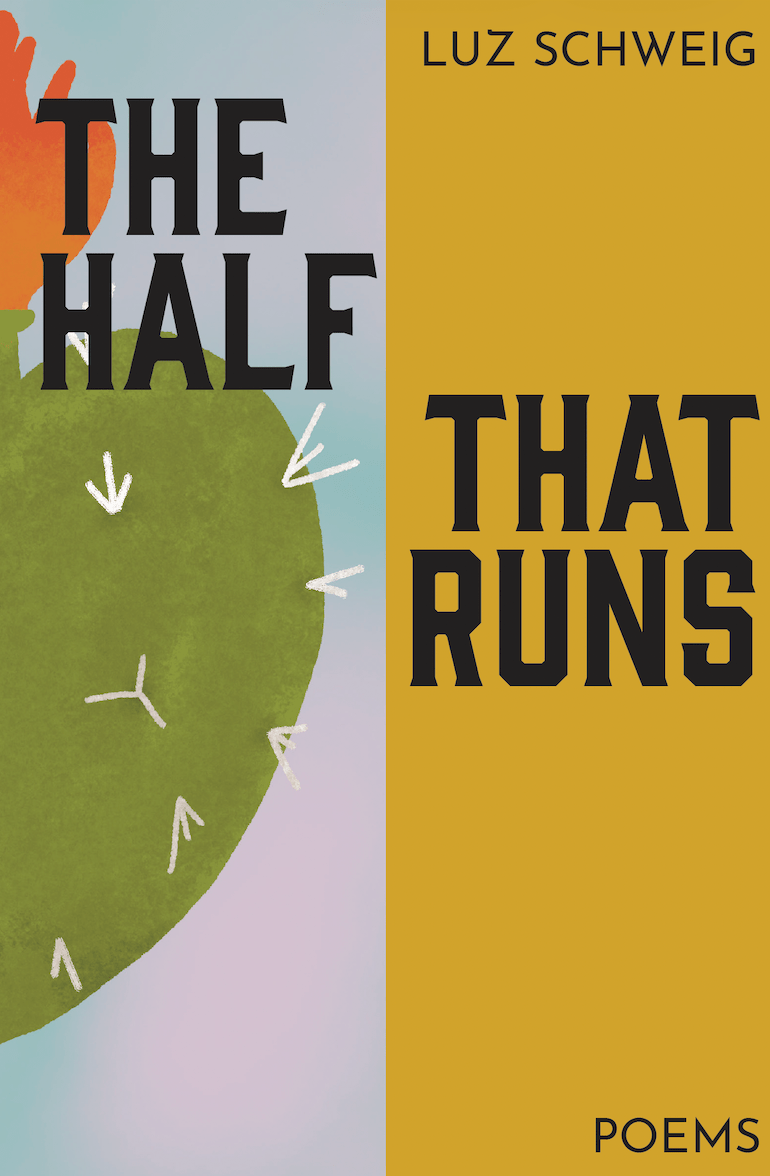
What if your memories had a geography—one that kept shifting under your feet like sand? Discover how The Half That Runs by Luz Schweig maps identity—read the full piece.
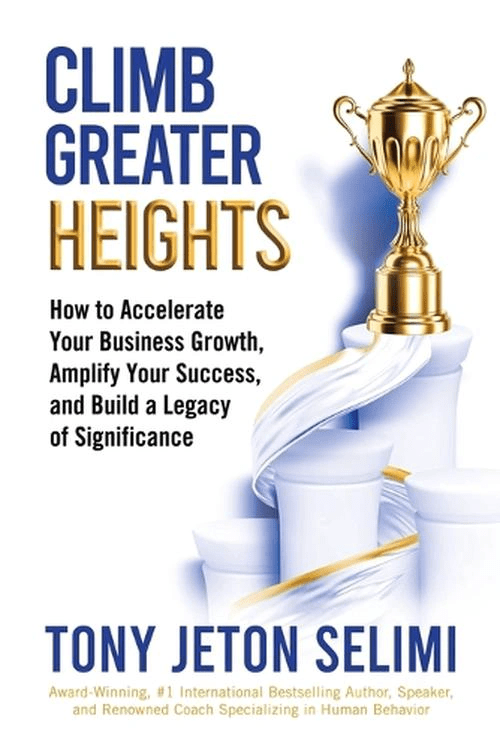
Book Review: Climb Greater Heights by Tony Jeton Selimi
What if your biggest business obstacle isn’t competition but something invisible within you? Discover the answer in Climb Greater Heights by Tony Jeton Selimi—read the full review to explore.
 OneTribune