

Amazon link: https://www.amazon.com.au/Kuimba-Priscilla-B-Shuler/dp/1542537207
The Singing Angel of Barnfield
In a world where fiction often mimics reality, Priscilla B. Shuler’s Kuimba dares to do the opposite: it elevates the human experience into a realm of miracles, mysticism, and poignant social commentary. Most readers will appreciate Kuimba for its emotionally charged narrative and the titular character’s ethereal presence, but let’s look into the deeper undercurrents of this novel that go unnoticed by many.
The Weight of History
The setting of Kuimba—the post-Emancipation South—is no arbitrary choice. Shuler roots her tale in the historical legacy of Reconstruction and Jim Crow, capturing a society grappling with its own identity. The Barnfield community, with its sharecropping and oppressive social hierarchies, feels hauntingly real because it mirrors what W.E.B. Du Bois described in The Souls of Black Folk as “the shadow of a vast despair.” The use of sharecropping as a backdrop—where Marvin’s labor feeds an insatiable overlord—echoes the actual statistics: by the 1920s, nearly 75% of Black farmers in the South were trapped in sharecropping or tenant farming, perpetuating economic dependency and systemic exploitation. Does Kuimba subtly critique this system? Or does it place its hope in divine intervention, as embodied by Kuimba himself?
Miracles as Metaphor
Kuimba’s miraculous singing and acts of healing are not just plot devices; they are Shuler’s way of reimagining faith as resistance. His song—a wordless hymn—aligns with the oral traditions of African American spirituals, historically used to encode messages of hope and escape. Think of Harriet Tubman singing “Swing Low, Sweet Chariot” to signal freedom. But here, Kuimba’s song transcends human understanding. Is it a nod to the ineffable nature of justice and healing? Or is Shuler suggesting that sometimes, what humanity needs most is something beyond itself—a higher power to intervene when man’s systems fail?
The Economics of Kindness
While many will marvel at Kuimba resurrecting a dead cat (a feat that would likely baffle even Schrödinger), there’s a quiet economic thread to his story. The townsfolk eventually accept him as “blessed,” but their initial skepticism speaks volumes about the commodification of human value. Kuimba, whose gifts are freely given, disrupts a capitalist paradigm where everything—including faith—is transactional. Can such unmeasured generosity survive in a system where worth is weighed in coin? Shuler forces us to consider: If Kuimba were alive today, would he be celebrated—or exploited?
The Rhetoric of Fear
And what of R.Ed Barnard, the red-headed antagonist? R.Ed embodies more than mere racial hatred; he represents the fear of change. As Audre Lorde famously wrote, “The master’s tools will never dismantle the master’s house.” R.Ed’s rejection of Kuimba, despite the boy’s harmlessness, is a study in how the powerful cling to control. One wonders, how often does society dismiss what it cannot understand simply because it cannot control it? Does Kuimba’s blue-eyed, otherworldly innocence threaten R.Ed’s fragile sense of dominance?
The Duality of Angels
Shuler’s portrayal of Kuimba as a “Jesus Child” invites theological debate. Angels in Abrahamic traditions are both messengers and warriors. Kuimba, however, wields his divine gift with quiet humility, healing animals and calming chaos. Yet, his blue eyes—a symbol of divinity in Western art—invite discomfort among his own community. Does his “otherness” critique the way society measures worth by arbitrary standards? Why should divinity look like the oppressors? Shuler doesn’t give us answers, but she stirs the pot, making Kuimba as much a symbol of tension as of peace.
Data in Disguise
By the end of the novel, Barnfield has tacitly accepted Kuimba as a “blessing.” Yet, only a handful of individuals actively protect him. A study by the Southern Poverty Law Center reveals that even today, bystander intervention in hate crimes occurs in less than 30% of incidents. Shuler captures this dynamic eerily well: the townsfolk marvel at Kuimba’s abilities, but when R.Ed and his cronies target him, their silence speaks louder than their words of praise. Are miracles enough in a world where complicity reigns?
Unanswered Questions
- When Kuimba heals the snakebite, is it symbolic of the reconciliation between nature and humanity, or does it nod to the biblical Edenic loss?
- Is Marvin’s reluctance to father more children a subtle jab at the emasculation of Black men under systemic oppression, or is it simply exhaustion?
- Can Kuimba, with all his miracles, really challenge the institutional structures that bind Barnfield?
Conclusion: A Song for the Unheard
Shuler’s Kuimba is a tale that whispers more than it shouts. It is as much about the things left unsaid as the miracles performed. It doesn’t just invite us to read; it challenges us to listen—to the silence of oppression, to the song of resistance, and to the murmurs of faith that transcend understanding. As Kuimba sings his heavenly hymn, one is reminded of Martin Luther King Jr.’s words: “Faith is taking the first step even when you don’t see the whole staircase.”
And what is Kuimba if not a first step—a small, miraculous boy in a world too broken to recognize his worth?
We’d love to hear from you!
What are your thoughts on this piece? Share your insights in the comments below!
- What stood out to you most about this post?
- Have you read a book recently that relates to the themes discussed here?
- What’s your favorite takeaway or reflection from this write-up?
Let’s keep the conversation going—your thoughts make this space richer!
Disclaimer: The content on this site is provided for informational and inspirational purposes only. While we strive for accuracy, the views expressed in reviews, articles, and recommendations are subjective and may not reflect the opinions of all readers.
We receive complimentary copies of all books we review. However, this practice does not compromise the integrity or honesty of our reviews. Every write-up reflects the contributor’s genuine impressions and critical analysis, ensuring transparency and trust with our readers.
For a complete understanding of our practices, please refer to our full Disclaimer, Privacy Policy, and Terms of Service. These documents outline how we manage your information, ensure transparency, and uphold your rights as a user.
To request for a review, to nominate your favorite book for an award, or for more details about our awards, click here.
Other Stories

Reimagining Life Through Words and Service with Debra J. White
What happens when life’s hardest blows lead to unexpected purpose? Discover how Debra turned trauma, recovery, and rescued animals into writing and volunteer work that inspires resilience and connection.
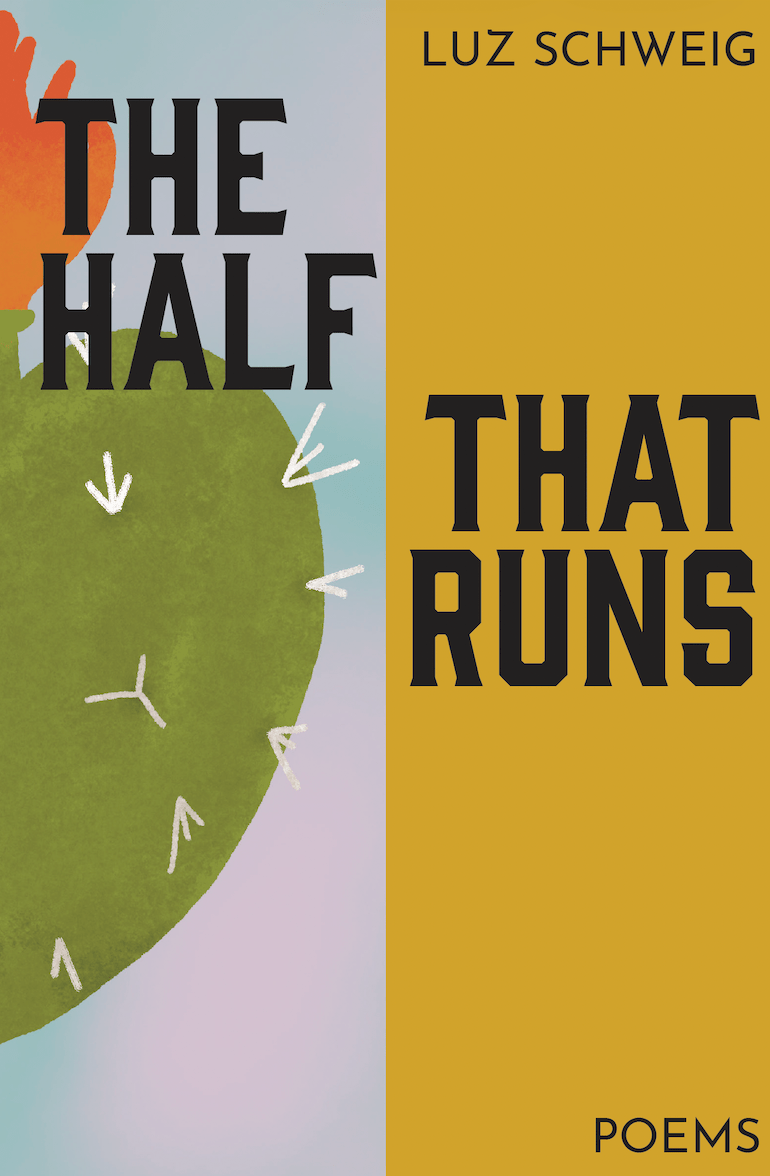
The Half That Runs by Luz Schweig
What if your memories had a geography—one that kept shifting under your feet like sand? Discover how The Half That Runs by Luz Schweig maps identity—read the full piece.
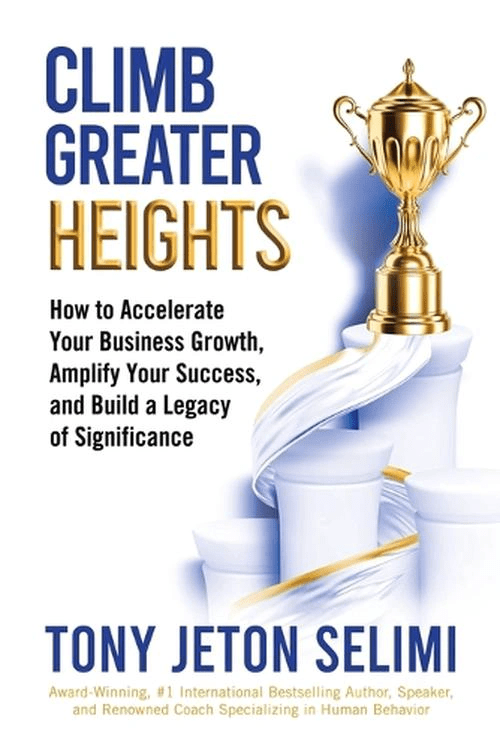
Book Review: Climb Greater Heights by Tony Jeton Selimi
What if your biggest business obstacle isn’t competition but something invisible within you? Discover the answer in Climb Greater Heights by Tony Jeton Selimi—read the full review to explore.

 OneTribune