

Editor’s Note: This article contains references to suicide, mental illness, and substance abuse. Readers who may be sensitive to these topics are encouraged to proceed with care. If you or someone you know is in crisis, please seek help from a mental health professional or contact a support hotline.
In the 1950s, when William Carlos Williams lamented, “It is difficult / to get the news from poems,” announcements, interviews, and puffery for the latest poetry titles would have been handled by the publishers’ in-house P.R. team.
Times have changed. Today’s poets and authors must also be their own press agents. Why?
“I think doing nothing is kind of lazy and a disservice to potential readers, because they’ll never discover the work,” explained Robert Lee Brewer, Poetry Editor of Writer’s Digest.
In case self-promotion does not come naturally, here is an innovative approach. To muscle meaningful marketing mojo into a manuscript, insert news pegs directly into the W.I.P. [work in progress].
The News Peg Advantage
In publishing and marketing, a news peg is a timely, relevant hook or angle that connects your work to current events, trends, notable names, or topics of public interest.
For a poetry collection, inserting news pegs—before the project has been polished and submitted—means strategically including references, themes, or connections to contemporary issues or events that would give media outlets, reviewers, and literary journal editors specific angles to discuss your work. This makes your manuscript more approachable (and saleable) because each news peg creates ready-made talking points and relevance beyond the literary merits of your poetry.
This advance planning gives you an edge. When your book is published, these news pegs can:
(a.) provide angles for press releases;
(b.) give interviewers specific questions to ask you;
(c.) connect your poetry to broader cultural conversations;
(d.) help bookstores know how to position your work; and
(e.) create opportunities for timely features or reviews.
Tips for Generating and Weaving News Pegs into Poems
Effective strategies for incorporating news pegs into your poetry while maintaining artistic integrity:
Finding Your News Pegs
- Calendar-based opportunities – Anticipate anniversaries, holidays, or seasonal events that align with your poems’ themes. A poem about renewal, for instance, could connect to Earth Day or the Spring Equinox.
- Cultural touchpoints – Reference cultural phenomena like influential films, music releases, or art exhibits that resonate with your work. Or tie into the energy around “Word of the Year.” This annual selection is meant to reflect the year’s prevalent language trends and cultural shifts, often chosen based on usage data and public voting.
- Local connections – Highlight regional history, mysteries, landmarks, legends, or community events that relate to your poetry’s themes or settings.
- Personal milestones – Frame poems around life events many readers experience (graduation, marriage, pregnancy, illness, career changes, loss) that create emotional resonance.
- Social conversations – Subtly address ongoing social discussions without making your work feel dated or overly political.
Weaving News Pegs into Poems
- Use specific, evocative details – Rather than broad references, include precise imagery that grounds your poem in a particular moment or event.
- Create layered meaning – Let the news peg exist as just one dimension of a multifaceted poem that works on multiple levels.
- Use juxtaposition – Place timeless themes alongside contemporary references to create tension and resonance.
- Employ subtle allusions – Reference current events through metaphor or indirect language that won’t alienate future readers.
- Structure with intention – Consider organizing poem sequences or sections around thematic news pegs.
Count the News Pegs in My Short Poem
Nominated for a Best of the Net Award by the Circus Collective, my 12-line Golden Shovel poem was created from a suicide note written by American singer, songwriter, and actress Phyllis Linda Hyman (July 6, 1949 – June 30, 1995), best known for her music during the late 1970s through the early 1990s.
Lines used: “I’m tired. I’m tired. Those of you that I love know who you are.”
Golden Shovel: Death Waited Like a Stage Door Johnny
Life became an abandoned sky. She wrote, “I’m
tired.” Chilled vodka winked, flirtatious. “I’m tired.”
“Sophisticated Ladies” in ’81. Those
audiences. Tapped for a Tony. Top of
the world, controlling my phrasing and breath, you
death, behind the stage door, waiting your turn. I knew that.
Tuinals wrenching the red off their throat, I
suck each one down like a bloodless cherry, love
fluid movements, hips of an elegy, know
how this cocktail shakes reality. Who
wants to say need? It sounds pathetic, you
realize. Oblivion, don’t knock. I know who you are.
How many news pegs did you count?
My poem included references to drug abuse, alcoholism, depression, mental illness, suicide, Broadway musicals, the Tony Awards, African-American singer-actress Phyllis Hyman, African-American composer Duke Ellington, and more.
Marketing Angles
Here are the key marketing angles layered into my 12-line Golden Shovel poem:
- Golden Shovel form – showcases technical craftsmanship
- Celebrity connection – leverages Phyllis Hyman’s cultural significance
- Broadway/Tony Awards elements – appeals to theater enthusiasts
- Mental health themes – connects to contemporary discussions
- Substance abuse narrative – relates to addiction/recovery communities
- African-American cultural heritage – highlights contributions of Hyman and Ellington
- Creative transformation – suicide note into art creates a compelling narrative
- Cross-genre appeal – bridges poetry, music, and theater audiences
- Educational value – demonstrates poetic technique for creative writing instruction
These diverse angles provide multiple avenues for marketing to different audiences and news outlets.
After transforming your book from a solitary artistic statement into a vital part of our collective dialogue, your words will be liberated from the clubby poetry ghetto. By strategically embedding news pegs into your poetry collection, you’re not just publishing words—you’re launching a cultural conversation that invites readers, media, and the literary world to engage with your work on multiple levels.
About the Writer
The above article was voluntarily contributed by LindaAnn Loschiavo. For more details about her, visit her Wikipedia profile’s page.
Help is available for you.
The following information may be helpful to you:
1. When in Australia, here’s the information from health.gov.au:
In case of emergency, dial 000.
For immediate assistance, support is accessible 24/7 across Australia. Reach out to:
- Lifeline: 13 11 14
- Kids Helpline: 1800 55 1800
- Mental Health Crisis Assessment and Treatment Team in your state/territory
- Beyond Blue: 1300 224 636
For urgent care, visit the emergency department at your local hospital.
2. Here are other links for important contact details in countries across the globe compiled by Wikipedia:
Related

Apprenticed to the Night by LindaAnn LoSchiavo
If memories had a scent, would they smell like fig trees or hospital rooms? Apprenticed to the Night takes readers through an intricate maze of recollection—follow its trail to uncover where past and present converge.
Keep reading
Felones de Se by LindaAnn LoSchiavo
Have you ever wondered if a Hawaiian shirt could haunt someone more than a ghost ever could? This write-up reveals the strange truth hidden in poetic memory—read on to find out.
Keep readingWe’d love to hear from you!
What are your thoughts on this piece? Share your insights in the comments below!
- What stood out to you most about this post?
- Have you read a book recently that relates to the themes discussed here?
- What’s your favorite takeaway or reflection from this write-up?
Let’s keep the conversation going—your thoughts make this space richer!
Disclaimer: The content on this site is provided for informational and inspirational purposes only. While we strive for accuracy, the views expressed in reviews, articles, and recommendations are subjective and may not reflect the opinions of all readers.
We receive complimentary copies of all books we review. However, this practice does not compromise the integrity or honesty of our reviews. Every write-up reflects the contributor’s genuine impressions and critical analysis, ensuring transparency and trust with our readers.
For a complete understanding of our practices, please refer to our full Disclaimer, Privacy Policy, and Terms of Service. These documents outline how we manage your information, ensure transparency, and uphold your rights as a user.
To request for a review, to nominate your favorite book for an award, or for more details about our awards, click here.
Other Stories

Reimagining Life Through Words and Service with Debra J. White
What happens when life’s hardest blows lead to unexpected purpose? Discover how Debra turned trauma, recovery, and rescued animals into writing and volunteer work that inspires resilience and connection.
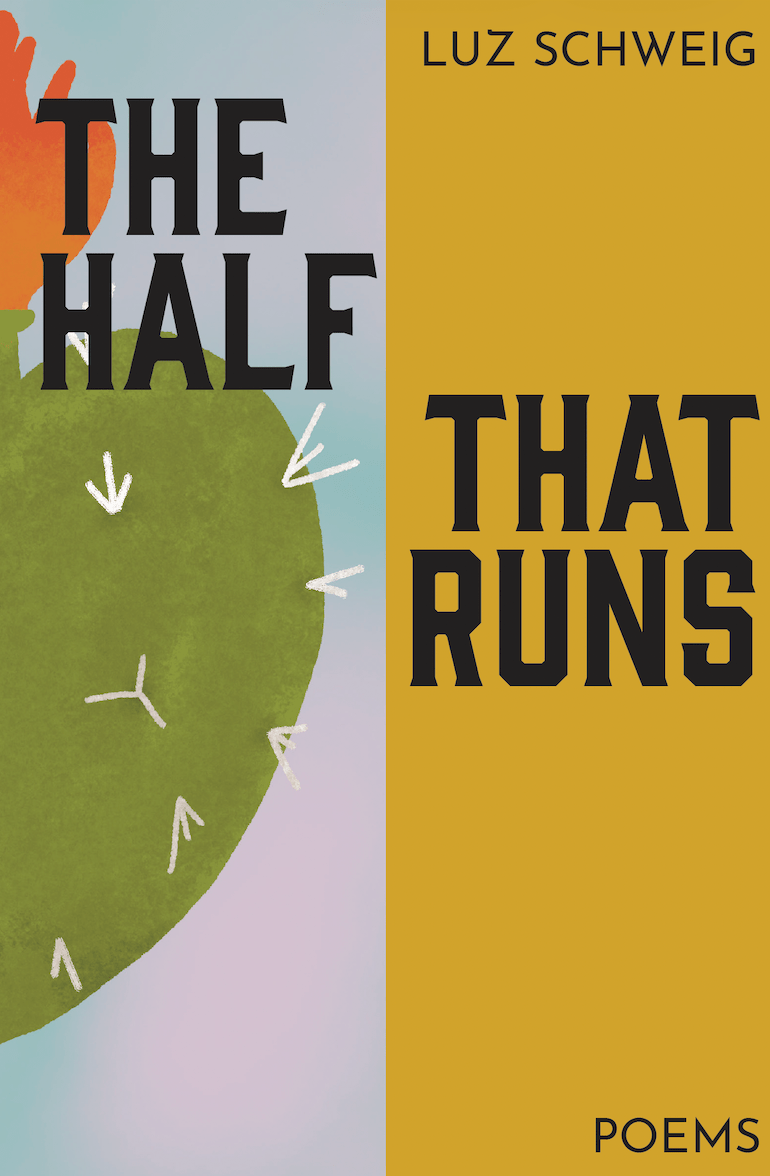
The Half That Runs by Luz Schweig
What if your memories had a geography—one that kept shifting under your feet like sand? Discover how The Half That Runs by Luz Schweig maps identity—read the full piece.
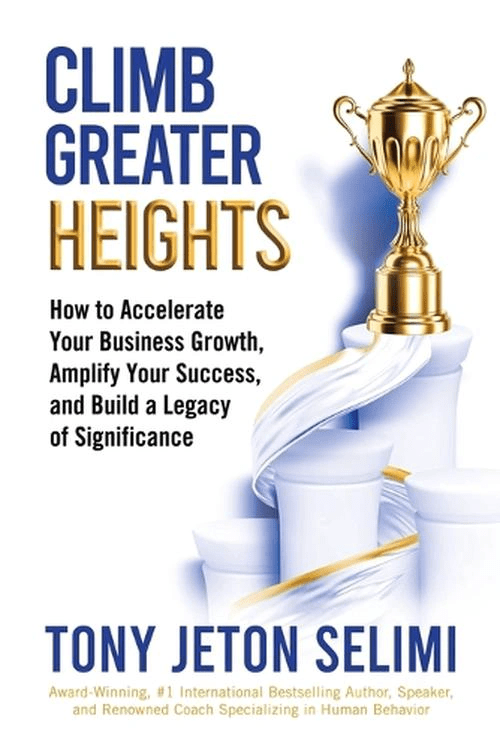
Book Review: Climb Greater Heights by Tony Jeton Selimi
What if your biggest business obstacle isn’t competition but something invisible within you? Discover the answer in Climb Greater Heights by Tony Jeton Selimi—read the full review to explore.

 OneTribune