

Genre: Children’s Fiction / Contemporary Fiction
Triggering Themes: Physical trauma, emotional healing, family struggles, and resilience.
Have you ever looked at a picture and felt like it spoke a thousand unspoken words?
In Belle and Chloe: Reflections in the Mirror by Isabela Sardas, Ph.D., the illustrations don’t just accompany the story—they become the story. Sardas’s emotionally rich narrative is elevated by visuals that convey pain, hope, and transformation in ways words alone never could.
A Visual Journey Through Pain and Resilience
Sardas’s tale begins with a moment of tragedy: Belle, one of two inseparable twin sisters, is badly burned in a kitchen accident. What follows is a recovery not only of her body but of her identity and her bond with her twin, Chloe. Yet it’s the book’s illustrations that add a profound layer to this narrative, capturing the essence of emotions that are often hard to verbalize.
Illustrations That Speak the Language of Emotion
The artistry in Belle and Chloe is nothing short of breathtaking. In the early pages, the muted tones reflect Belle’s withdrawal, mirroring her physical and emotional pain. As the story progresses, warmer colors begin to seep in, reflecting the support and love of her family. This subtle shift is reminiscent of how Claude Monet’s Water Lilies series transitioned from darkness to light, symbolizing hope after hardship.
Belle’s facial expressions—her fear, her hesitation to face the world, and her eventual moments of quiet triumph—are drawn with such detail that you can almost feel her journey. For children, these visuals serve as a bridge to understanding complex emotions. For adults, they offer a poignant reminder of the power of empathy.
Chloe’s Henna: A Cultural and Emotional Masterstroke
One of the book’s most striking visual moments is Chloe’s decision to adorn her arms with henna patterns that mimic Belle’s scars. This act of love and solidarity is steeped in cultural significance. Henna, used in traditions across India, North Africa, and the Middle East, often symbolizes beauty, transformation, and celebration. By choosing this motif, Sardas connects Belle’s personal journey to a global tradition of reframing physical marks as symbols of strength.
This moment is not only a turning point in the narrative but also an invitation for readers to think about how art—whether it’s henna, tattoos, or even scarification in indigenous cultures—can help us reclaim our stories. How often do we see scars as flaws when they could be reimagined as the art of survival?
Tiny Details, Big Heart
Beyond the larger illustrations, Sardas incorporates small visual elements that deepen the emotional resonance of the story. The swing set where Belle and Chloe reconnect becomes a visual metaphor for the ups and downs of healing. Belle’s constant companion, a teddy bear, appears in moments of fear, subtly showing the importance of comfort objects in coping with trauma.
These details might be easy to overlook, but they speak volumes. Studies in developmental psychology suggest that children often use symbols—like toys or favorite places—to process big emotions. Sardas intuitively weaves this understanding into her story, making it not just a narrative but a tool for emotional growth.
Who Will Love It vs. Who Won’t
Who Might Dislike It:
- Readers who prefer fast-paced or plot-driven stories.
- Those looking for traditional action-oriented children’s books.
Who Will Love It:
- Parents and educators seeking tools to teach emotional resilience.
- Readers who appreciate visual storytelling with cultural depth.
- Anyone who enjoys stories about overcoming adversity with love and empathy.
Similar Reads
The Invisible String by Patrice Karst – A heartwarming tale about the unbreakable bonds of love.
The Dot by Peter H. Reynolds – A visually driven story about finding beauty in imperfection.
Inside Out and Back Again by Thanhha Lai – A poetic exploration of resilience and healing.
Final Thoughts: A Story That Paints Its Way Into Your Heart
Belle and Chloe: Reflections in the Mirror isn’t just a book—it’s an immersive experience. Sardas’s illustrations breathe life into her narrative, turning it into a visual and emotional masterpiece.
Can a picture heal a heart? Through her art, Sardas shows us that the answer is yes. For readers willing to look beyond words, this book offers an unforgettable exploration of resilience, identity, and the beauty of scars. At Book World Front, where global stories take center stage, this is one that deserves a place in every reader’s library.
Book World Front Award

This book is a winner of the Book World Front Award, an accolade that celebrates extraordinary literature from around the globe. It honors stories that bring universal themes to life and resonate across cultures. Aligned with our mission to explore the world through words, this award spotlights voices that inspire, connect, and showcase the power of global storytelling—where every story takes center stage.
We’d love to hear from you!
What are your thoughts on this piece? Share your insights in the comments below!
- What stood out to you most about this post?
- Have you read a book recently that relates to the themes discussed here?
- What’s your favorite takeaway or reflection from this write-up?
Let’s keep the conversation going—your thoughts make this space richer!
Disclaimer: The content on this site is provided for informational and inspirational purposes only. While we strive for accuracy, the views expressed in reviews, articles, and recommendations are subjective and may not reflect the opinions of all readers.
We receive complimentary copies of all books we review. However, this practice does not compromise the integrity or honesty of our reviews. Every write-up reflects the contributor’s genuine impressions and critical analysis, ensuring transparency and trust with our readers.
For a complete understanding of our practices, please refer to our full Disclaimer, Privacy Policy, and Terms of Service. These documents outline how we manage your information, ensure transparency, and uphold your rights as a user.
To request for a review, to nominate your favorite book for an award, or for more details about our awards, click here.
Other Stories
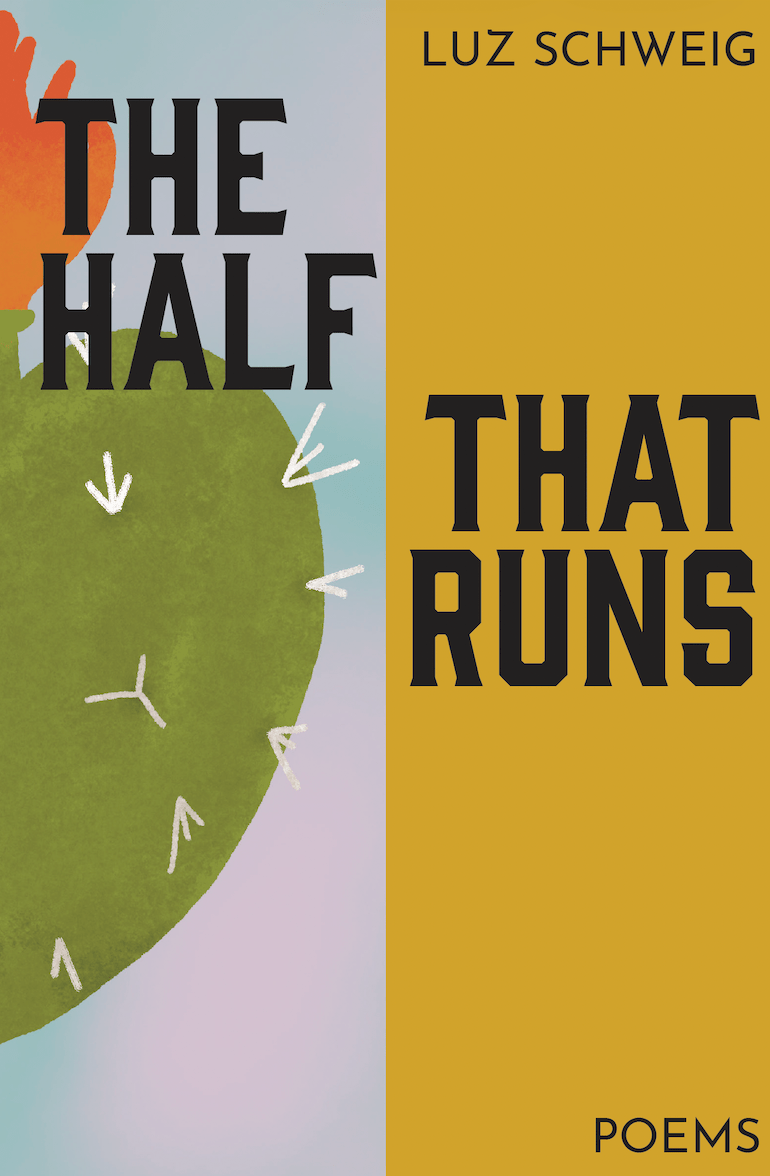
The Half That Runs by Luz Schweig
What if your memories had a geography—one that kept shifting under your feet like sand? Discover how The Half That Runs by Luz Schweig maps identity—read the full piece.

Book Review: Climb Greater Heights by Tony Jeton Selimi
What if your biggest business obstacle isn’t competition but something invisible within you? Discover the answer in Climb Greater Heights by Tony Jeton Selimi—read the full review to explore.
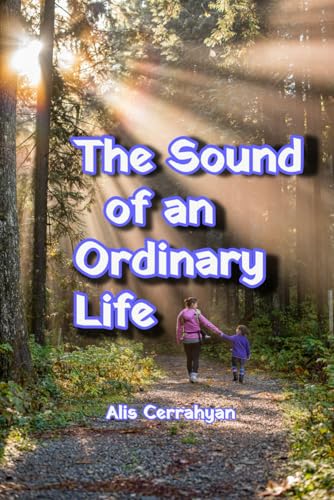
Review of The Sound of an Ordinary Life by Alis Cerrahyan
There are many ways to tell the story of a life. Some choose grand narratives, sweeping arcs of triumph and tragedy. Others, like The Sound of an Ordinary Life, find meaning in the quiet spaces, the moments that seem small but carry the entire weight of a person’s existence.

 OneTribune
