
What makes scars beautiful, and how does pain shape identity? These are the questions Isabela Sardas, Ph.D., dares to pose in Belle and Chloe: Reflections in the Mirror, a story that begins with a pot of boiling soup and ends with a portrait of resilience, love, and transformation. But this is no ordinary tale of twin sisters; it’s a layered exploration of how identity can fracture and rebuild, all within the framework of family and self-acceptance.
Imagine you’re eight years old, your world perfectly mirrored in the face of your twin, and then, in an instant, that mirror shatters. For Belle, her scars are not just physical—they are a language of pain, a rewriting of her story on her very skin. Scars have been venerated and vilified throughout history; in ancient Japan, kintsugi—the art of repairing broken pottery with gold—taught that imperfections are part of an object’s history and beauty. Sardas takes this philosophy and applies it to Belle, whose scars become a narrative thread leading to her redefined identity.
One could argue that Sardas’s greatest triumph lies not in the story’s premise but in its treatment of complex emotions. Belle’s family is not an idealised beacon of unwavering support; they are flawed, human, and deeply relatable. Her mother’s guilt, Chloe’s jealousy, and Belle’s own shame and anger paint a vivid tableau of familial love under pressure. This is no fairy tale wrapped in a neat bow—it’s a story of healing, where progress is slow, messy, and beautiful.
Psychological research has long shown the power of narrative in healing trauma, and Sardas, a licensed psychologist, weaves this wisdom into every page. Belle’s sessions with a therapist feel real, practical, and unflinchingly honest. The introduction of role-playing to prepare Belle for stares and questions is a nod to therapeutic techniques that help children confront their fears. This inclusion not only validates the struggles of children like Belle but also normalises seeking help—a subtle yet powerful message.
And yet, the book never loses sight of its audience. Sardas employs vibrant illustrations to soften the narrative’s sharp edges, ensuring young readers are guided through Belle’s journey with care. The colourful images capture moments of joy and sorrow, reminding us that recovery is not a straight line but a mosaic of experiences.
What would you say if someone asked you about your scars? Sardas nudges readers to consider this question, not just for Belle but for themselves. Scars, she suggests, are not merely marks of pain but symbols of survival. When Chloe adorns herself with henna designs mirroring Belle’s scars, it is a moment of profound love, an act of reclamation that whispers to every child: You are not alone in your struggle, and you are more than your pain.
Perhaps the most striking aspect of the book is its refusal to simplify. Sardas does not shy away from the complexities of jealousy or guilt, nor does she downplay the importance of professional support. Instead, she creates a story that resonates universally, daring readers to find their own reflections in Belle’s.
To read Belle and Chloe is to walk through the fire with its protagonist and emerge with a new understanding of what it means to be whole. It is a story for children, yes, but also for anyone who has ever wondered if they could be loved, scars and all. Sardas reminds us, in the words of Leonard Cohen, that “there is a crack in everything—that’s how the light gets in.”
Ink and Horizons Book Award
This book is a winner of the Ink and Horizons Book Award, an accolade dedicated to honoring books that explore the uncharted territories of human experience—stories that invite readers to journey beyond the familiar and engage with the universal themes that unite us all. Whether through vivid fiction, thought-provoking nonfiction, or evocative poetry, the award highlights works that embody the spirit of literary exploration.
We’d love to hear from you!
What are your thoughts on this piece? Share your insights in the comments below!
- What stood out to you most about this post?
- Have you read a book recently that relates to the themes discussed here?
- What’s your favorite takeaway or reflection from this write-up?
Let’s keep the conversation going—your thoughts make this space richer!
Disclaimer: The content on this site is provided for informational and inspirational purposes only. While we strive for accuracy, the views expressed in reviews, articles, and recommendations are subjective and may not reflect the opinions of all readers.
We receive complimentary copies of all books we review. However, this practice does not compromise the integrity or honesty of our reviews. Every write-up reflects the contributor’s genuine impressions and critical analysis, ensuring transparency and trust with our readers.
For a complete understanding of our practices, please refer to our full Disclaimer, Privacy Policy, and Terms of Service. These documents outline how we manage your information, ensure transparency, and uphold your rights as a user.
To request for a review, to nominate your favorite book for an award, or for more details about our awards, click here.
Other Stories

Reimagining Life Through Words and Service with Debra J. White
What happens when life’s hardest blows lead to unexpected purpose? Discover how Debra turned trauma, recovery, and rescued animals into writing and volunteer work that inspires resilience and connection.
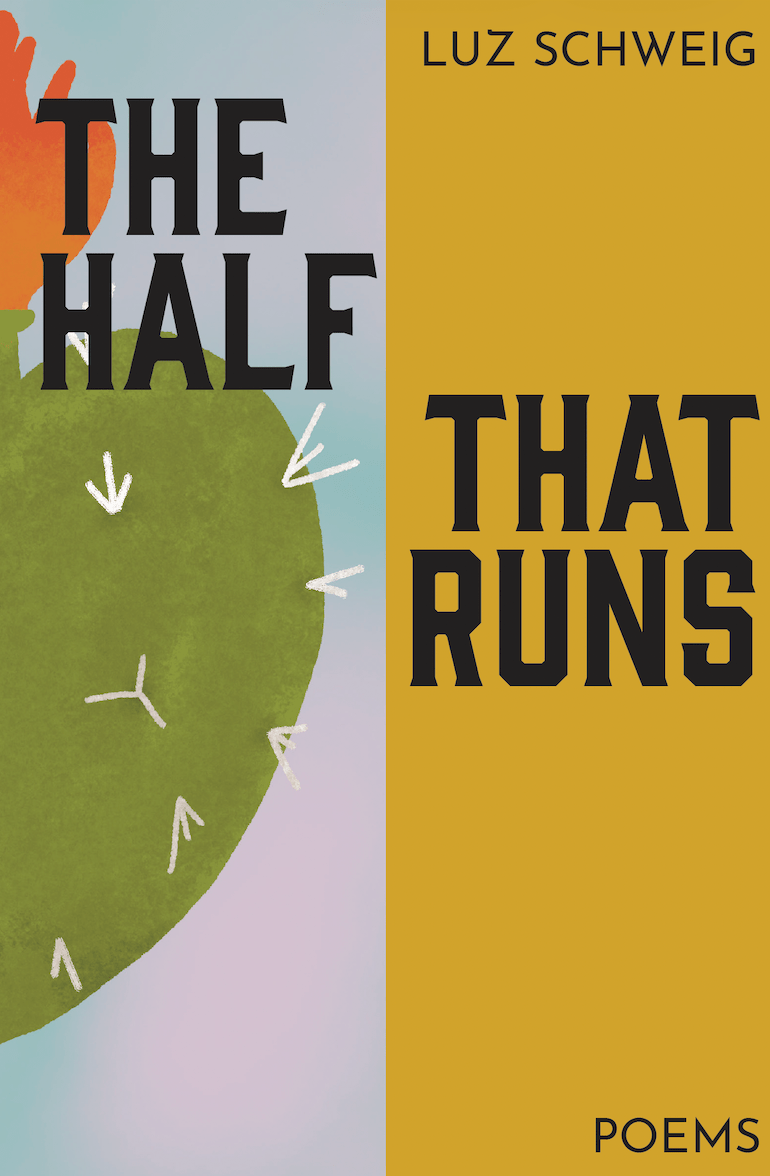
The Half That Runs by Luz Schweig
What if your memories had a geography—one that kept shifting under your feet like sand? Discover how The Half That Runs by Luz Schweig maps identity—read the full piece.
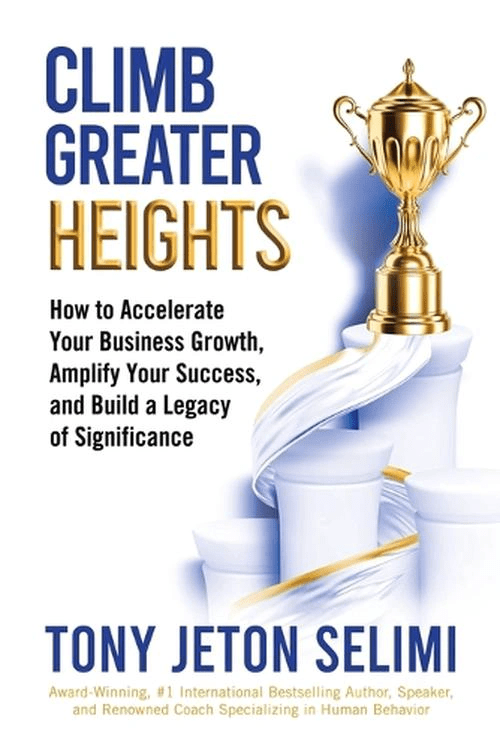
Book Review: Climb Greater Heights by Tony Jeton Selimi
What if your biggest business obstacle isn’t competition but something invisible within you? Discover the answer in Climb Greater Heights by Tony Jeton Selimi—read the full review to explore.

 OneTribune