
Amazon link: https://www.amazon.com.au/Destiny-Book-Rediscovering-Mother-Spirituality/dp/1945884800
What if I told you that your life—every joy, every sorrow, every chance meeting—was orchestrated by an ancient, unseen force? Would you scoff, shrug, or secretly wonder if it could be true? Helena Lind’s The Destiny Book doesn’t just ponder these questions; it unfurls them like a cosmic map, daring you to tackle the profound intersections of fate, free will, and human agency. But to truly appreciate this book, let’s look beyond the obvious to uncover its deeper, often overlooked treasures.
A Journey Through History’s Hidden Threads
Lind deftly pulls from a vast landscape of cultural, religious, and philosophical traditions, but what’s remarkable is her ability to connect the dots between ancient myths and modern existential dilemmas. From the Moirai of Greek mythology to the deterministic undertones of contemporary neuroscience, Lind traces the evolution of destiny as a concept that both liberates and binds.
Consider this: A 2015 study revealed that 52% of Americans believe in fate—a statistic that hints at our enduring need to attribute meaning to life’s chaos. Lind taps into this deep-seated yearning, offering a kaleidoscopic view of destiny that challenges readers to rethink its role in shaping not just individual lives but entire civilizations.
The Subtle Dance Between Hope and Fatalism
What sets The Destiny Book apart is its refusal to settle for simple answers. Lind masterfully juxtaposes destiny’s dual nature—its capacity to inspire and its potential to oppress. Drawing on the Stoic philosophy of Seneca, she asks: “If fate drags the unwilling, is destiny still a gift?”
Here’s a provocative thought: What if destiny isn’t about predetermination but co-creation? Lind invites readers to see destiny not as a rigid script but as a dynamic interplay between cosmic forces and human choice. In doing so, she echoes Carl Jung’s sentiment: “I did not have the certainty; it had me.”
The Psychology of Belief: Are We Wired for Destiny?
Lind doesn’t shy away from the scientific. She cites studies that suggest humans are hardwired to seek patterns and attribute meaning to random events—a trait that has both evolutionary and spiritual implications. Could it be that our belief in destiny is a survival mechanism, a way to make sense of the unpredictable?
An anecdote comes to mind: In 1992, during the L.A. riots, a man found himself trapped in a convenience store as chaos erupted outside. He later claimed it was destiny that led him there—not to save himself, but to save the storeowner’s child from harm. Stories like these pepper Lind’s narrative, making her philosophical musings deeply personal and universally relatable.
Destiny as Art and Archetype
One of the book’s most fascinating sections explores how destiny has shaped art, literature, and even political ideologies. From Napoleon’s self-proclaimed title as “the man of destiny” to the timeless allure of Shakespearean tragedy, Lind reveals how destiny has been both muse and mirror to human ambition.
Consider Winston Churchill’s assertion that he was “walking with destiny.” Was it foresight, hubris, or something more profound? Lind doesn’t provide definitive answers, but she frames the question in a way that lingers, like an unsolved riddle.
Conclusion: An Invitation to Wonder
Lind’s The Destiny Book is more than a book; it’s a philosophical symphony, blending history, psychology, and spirituality into a narrative that is as thought-provoking as it is enriching. It doesn’t tell you what to believe; it simply asks you to believe in the power of asking.
So, are you ready to question your place in the universe? Or will you, like so many, dismiss destiny as a quaint relic of the past? As Lind suggests, “Perhaps destiny isn’t something to be proven or disproven—it is to be lived.”
Atlas of Stories Award
This book is a recipient of the Atlas of Stories Award, an accolade that celebrates works mapping the literary world with creativity and depth. Aligned with our mission of “Mapping the World Through Books,” this award honors stories that inspire, educate, and entertain while transcending cultural and imaginative borders. These remarkable narratives explore universal themes, fostering connection and understanding as they take readers on a journey through the richness of global storytelling.
We’d love to hear from you!
What are your thoughts on this piece? Share your insights in the comments below!
- What stood out to you most about this post?
- Have you read a book recently that relates to the themes discussed here?
- What’s your favorite takeaway or reflection from this write-up?
Let’s keep the conversation going—your thoughts make this space richer!
Disclaimer: The content on this site is provided for informational and inspirational purposes only. While we strive for accuracy, the views expressed in reviews, articles, and recommendations are subjective and may not reflect the opinions of all readers.
We receive complimentary copies of all books we review. However, this practice does not compromise the integrity or honesty of our reviews. Every write-up reflects the contributor’s genuine impressions and critical analysis, ensuring transparency and trust with our readers.
For a complete understanding of our practices, please refer to our full Disclaimer, Privacy Policy, and Terms of Service. These documents outline how we manage your information, ensure transparency, and uphold your rights as a user.
To request for a review, to nominate your favorite book for an award, or for more details about our awards, click here.
Other Stories

Reimagining Life Through Words and Service with Debra J. White
What happens when life’s hardest blows lead to unexpected purpose? Discover how Debra turned trauma, recovery, and rescued animals into writing and volunteer work that inspires resilience and connection.
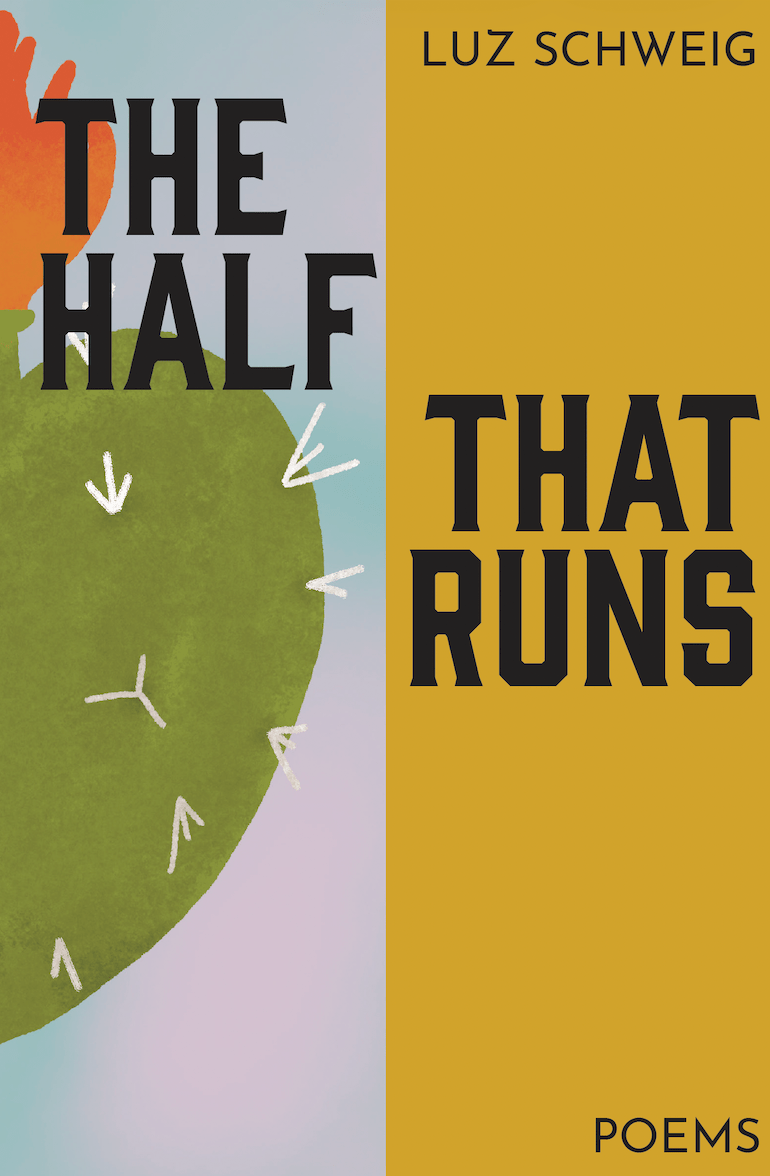
The Half That Runs by Luz Schweig
What if your memories had a geography—one that kept shifting under your feet like sand? Discover how The Half That Runs by Luz Schweig maps identity—read the full piece.
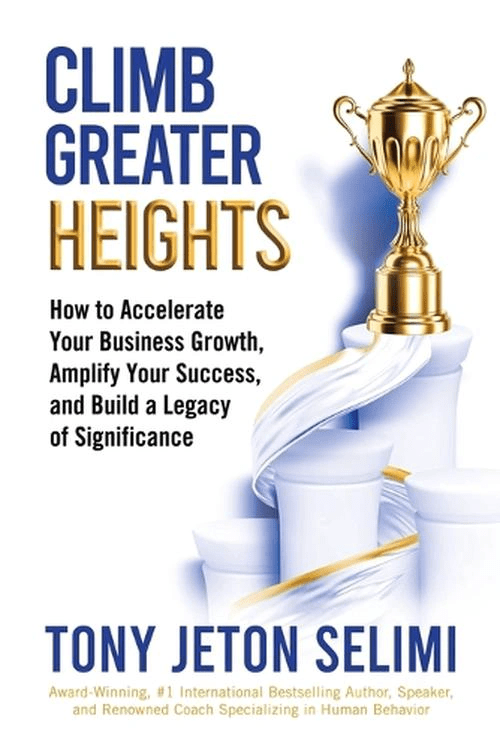
Book Review: Climb Greater Heights by Tony Jeton Selimi
What if your biggest business obstacle isn’t competition but something invisible within you? Discover the answer in Climb Greater Heights by Tony Jeton Selimi—read the full review to explore.

 OneTribune