

How does a story of sisterhood unfold when the plot mirrors the healing process? In Belle and Chloe: Reflections in the Mirror, Isabela Sardas, Ph.D., crafts a narrative that feels as much like a journey as the literal steps Belle takes toward recovery. What sets this book apart is how its structure itself becomes a metaphor for healing, offering readers an experience as restorative as the story it tells.
Consider the deliberate pacing of the chapters, each unfolding like a careful turn of a kaleidoscope. Sardas uses short, impactful vignettes to explore moments of pain, fear, and hope, reflecting the incremental nature of recovery. This structure is particularly effective for young readers, breaking down complex emotions into digestible moments. For adults, it mirrors the universal truth of healing—that it is rarely linear, often painful, and deeply personal.
The story’s linear progression is deceptive in its simplicity. It begins with the accident—a boiling pot of soup that irrevocably alters Belle’s life—and moves toward acceptance, but Sardas infuses this trajectory with a rhythm that mirrors the ebb and flow of real emotional journeys. Each chapter is like a heartbeat, steady and purposeful, guiding readers through Belle’s physical and emotional scars with care. In literature, structure is often an unsung hero, but here, it takes centre stage, transforming the act of reading into an immersive journey.
Throughout history, storytelling has been a way to tackle pain. Sardas taps into this ancient tradition, using Belle’s journey as a modern parable of resilience. The book’s episodic structure evokes the style of oral storytelling, where each scene stands on its own while contributing to a greater whole. Sardas’s professional background as a psychologist is evident in her understanding of how to build emotional arcs that resonate. The way she transitions from moments of despair to hope feels intentional, almost therapeutic, as if the book itself were a roadmap for facing trauma.
There is a striking moment in the book when Belle first returns home, surrounded by her family’s love but consumed by her own isolation. Sardas captures this duality in prose that is spare yet evocative, allowing readers to feel Belle’s vulnerability without being overwhelmed. This balance is echoed in the book’s visual elements, where illustrations complement the narrative with a subtle warmth that tempers its heavier themes.
Sardas’s narrative choices invite reflection. Why does she dedicate an entire chapter to Belle’s nightmares? Why do the sisters’ moments of jealousy and guilt take on as much weight as their moments of joy? The answer lies in the narrative’s authenticity. By giving equal space to every emotional facet, Sardas reminds readers that healing is not just about overcoming; it’s about confronting every part of the journey, even the difficult ones.
One of the book’s most profound achievements is its ability to resonate across generations. Children will see themselves in Belle’s struggles, finding solace in her courage. Adults, on the other hand, might see reflections of their own journeys, recognising the quiet strength it takes to rebuild after loss. Sardas’s decision to include therapy sessions is particularly impactful, normalising the process of seeking help in a way that feels organic to the story.
As the book draws to a close, Belle’s transformation is as much internal as it is external. Her scars remain, but they become part of her story, not its entirety. This echoes the sentiments of Maya Angelou, who wrote, “We delight in the beauty of the butterfly, but rarely admit the changes it has gone through to achieve that beauty.” Sardas takes this philosophy and weaves it into the very fabric of her narrative, leaving readers with a sense of closure that feels earned rather than forced.
Belle and Chloe: Reflections in the Mirror is more than a children’s book. It is a carefully constructed journey that invites readers to walk alongside its characters, to feel their struggles and triumphs, and to emerge with a deeper understanding of what it means to heal. Sardas reminds us that every story has the potential to be a destination, and this one is well worth the voyage.
Voyages of Verses Book Award

This book is a winner of the Voyages of Verses Book Award, a recognition for books that expand the horizon of what literature can achieve. We honor works that challenge preconceived notions, broaden worldviews, and celebrate the rich blend of voices that shape our global narrative. Whether it’s a novel that immerses you in a different culture, a collection of poems that captures the essence of shared humanity, or a nonfiction account that sparks critical thought, the Voyages of Verses Book Award celebrates stories that invite exploration and discovery.
We’d love to hear from you!
What are your thoughts on this piece? Share your insights in the comments below!
- What stood out to you most about this post?
- Have you read a book recently that relates to the themes discussed here?
- What’s your favorite takeaway or reflection from this write-up?
Let’s keep the conversation going—your thoughts make this space richer!
Disclaimer: The content on this site is provided for informational and inspirational purposes only. While we strive for accuracy, the views expressed in reviews, articles, and recommendations are subjective and may not reflect the opinions of all readers.
We receive complimentary copies of all books we review. However, this practice does not compromise the integrity or honesty of our reviews. Every write-up reflects the contributor’s genuine impressions and critical analysis, ensuring transparency and trust with our readers.
For a complete understanding of our practices, please refer to our full Disclaimer, Privacy Policy, and Terms of Service. These documents outline how we manage your information, ensure transparency, and uphold your rights as a user.
To request for a review, to nominate your favorite book for an award, or for more details about our awards, click here.
Other Stories

Reimagining Life Through Words and Service with Debra J. White
What happens when life’s hardest blows lead to unexpected purpose? Discover how Debra turned trauma, recovery, and rescued animals into writing and volunteer work that inspires resilience and connection.
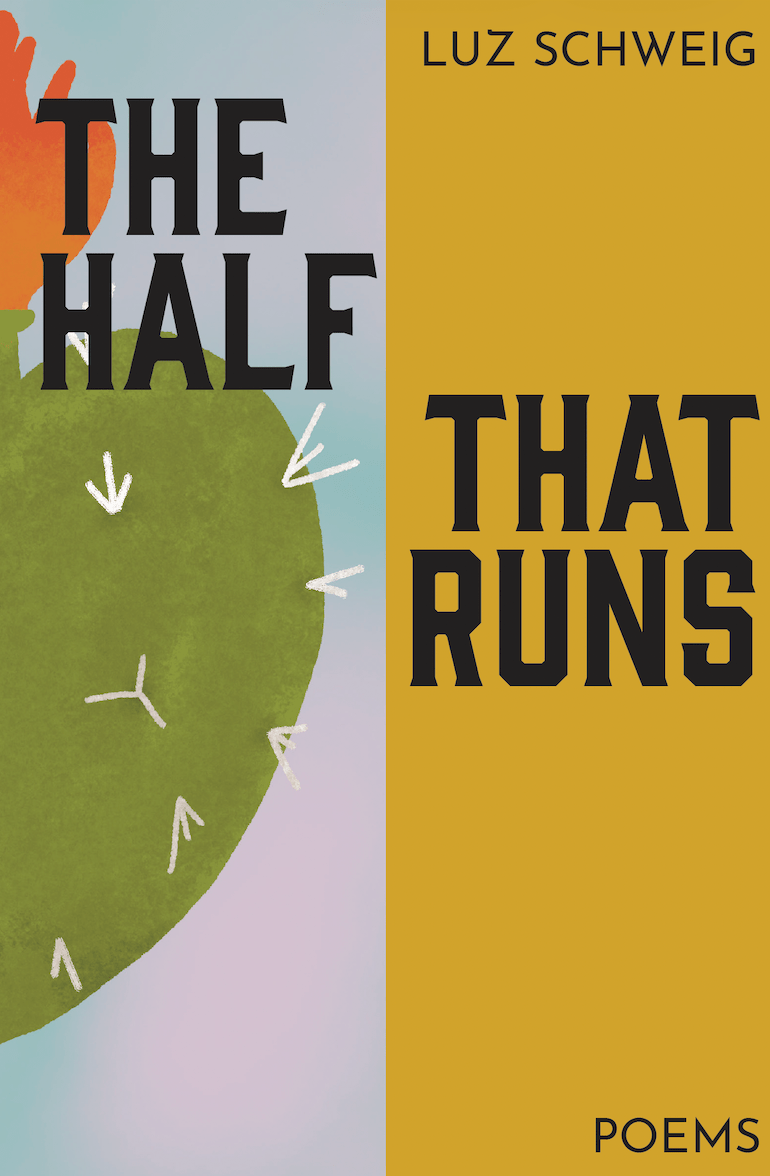
The Half That Runs by Luz Schweig
What if your memories had a geography—one that kept shifting under your feet like sand? Discover how The Half That Runs by Luz Schweig maps identity—read the full piece.
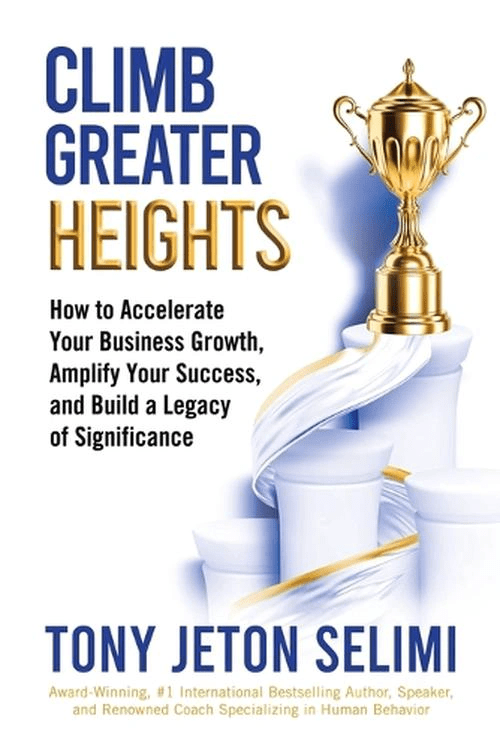
Book Review: Climb Greater Heights by Tony Jeton Selimi
What if your biggest business obstacle isn’t competition but something invisible within you? Discover the answer in Climb Greater Heights by Tony Jeton Selimi—read the full review to explore.

 OneTribune