
What happens when a psychologist writes a story of trauma and healing? The result, in Isabela Sardas’ Belle and Chloe, is as heartfelt as it is insightful. Sardas’s dual role as a storyteller and psychologist imbues the book with a rare authenticity, offering readers more than just a narrative—it’s a masterclass in empathy, resilience, and the art of human connection. Her clinical expertise doesn’t overshadow the warmth of her prose but rather enriches it, grounding the story’s emotional arcs in reality.
The book’s plot—a twin sister, Belle, enduring life-altering burns after an accident, and her family’s journey through recovery—might sound straightforward, but its execution is anything but. Sardas draws on her psychological training to weave layers of complexity into her characters. Take Belle’s reluctance to face the mirror, for instance. It’s not just a child’s discomfort with her scars; it’s a profound confrontation with identity. Who are we when the person staring back at us feels like a stranger? This question, though explored through Belle’s eyes, feels universal.
Historical insights into burn recovery and psychology add another dimension to the reading experience. The introduction of therapeutic methods in the narrative—such as Belle role-playing with her therapist to address the inevitable stares and questions from peers—underscores the evolution of child-centered care. It’s a subtle nod to the broader history of mental health, reminding us of the importance of compassion in treatment. The inclusion of family therapy as a plot element also reflects a growing recognition of how trauma ripples through loved ones.
Chloe’s role as the unscarred twin provides a compelling counterpoint. It’s easy to overlook the impact of such events on siblings, but Sardas doesn’t. Chloe’s feelings of jealousy and invisibility are handled with a grace that resists oversimplification. Her journey—from resentment to solidarity, marked by the poignant gesture of her henna “scars”—is a testament to the author’s understanding of relational dynamics. It’s a rare literary feat to capture sibling relationships with such authenticity.
Mark Twain once observed, “Courage is resistance to fear, mastery of fear—not absence of fear.” This sentiment could well describe Belle’s arc. Her eventual acceptance of her scars as “special body art” is neither saccharine nor rushed; it’s a hard-won victory that feels as real as it does inspiring. By the book’s end, the reader isn’t merely rooting for Belle but reflecting on their own relationship with imperfections, whether physical or emotional.
For all its emotional weight, Belle and Chloe is never heavy-handed. Sardas’s use of illustrations, from Belle hugging her dog Muffin to Chloe’s transformative henna experience, complements the text beautifully, grounding abstract themes in tangible imagery. These moments are as vivid as they are symbolic, turning the book into an experience that feels tactile, almost cinematic.
Can a children’s book change how we approach trauma, self-acceptance, and family bonds? Sardas seems to think so, and with Belle and Chloe, she makes a compelling case. This isn’t just a story for children—it’s a guidebook for anyone going through the labyrinth of healing. Sardas has gifted readers a story that lingers long after the final page, a reminder that scars—be they physical or emotional—can hold beauty, meaning, and strength.
Narrative Voyager Award
This book is a winner of the Narrative Voyager Award, which recognizes the transformative power of storytelling. In a world filled with myriad voices and stories waiting to be discovered, this award highlights books that inspire empathy, challenge conventions, and foster connections across borders—be they physical, cultural, or emotional. By celebrating these stories, we hope to create a literary map where every reader can take on journeys of discovery, reflection, and growth.
We’d love to hear from you!
What are your thoughts on this piece? Share your insights in the comments below!
- What stood out to you most about this post?
- Have you read a book recently that relates to the themes discussed here?
- What’s your favorite takeaway or reflection from this write-up?
Let’s keep the conversation going—your thoughts make this space richer!
Disclaimer: The content on this site is provided for informational and inspirational purposes only. While we strive for accuracy, the views expressed in reviews, articles, and recommendations are subjective and may not reflect the opinions of all readers.
We receive complimentary copies of all books we review. However, this practice does not compromise the integrity or honesty of our reviews. Every write-up reflects the contributor’s genuine impressions and critical analysis, ensuring transparency and trust with our readers.
For a complete understanding of our practices, please refer to our full Disclaimer, Privacy Policy, and Terms of Service. These documents outline how we manage your information, ensure transparency, and uphold your rights as a user.
To request for a review, to nominate your favorite book for an award, or for more details about our awards, click here.
Other Stories
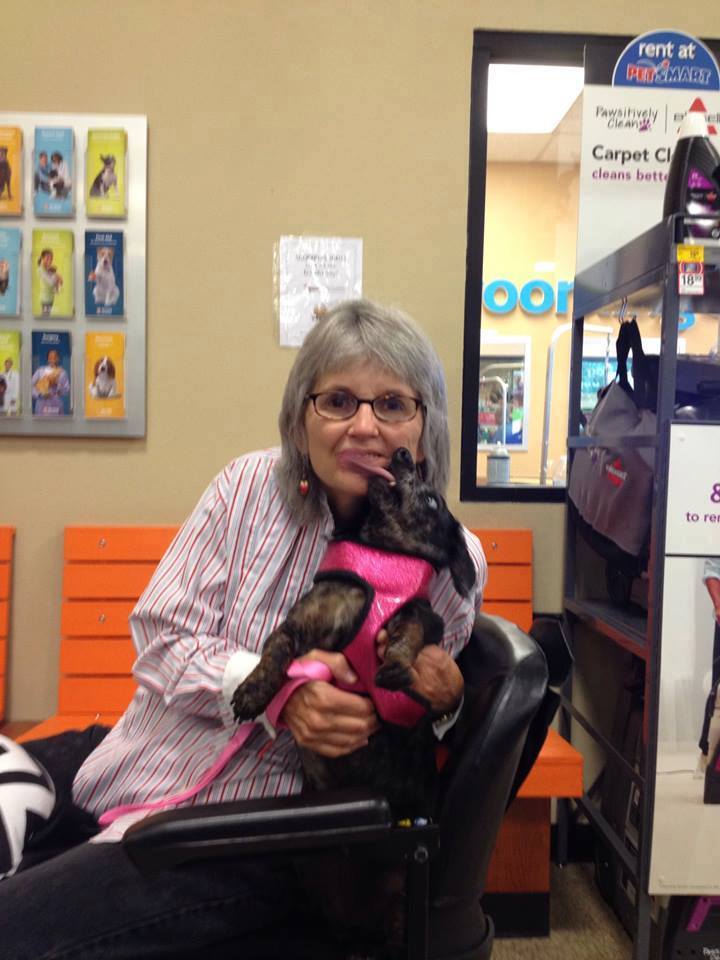
Reimagining Life Through Words and Service with Debra J. White
What happens when life’s hardest blows lead to unexpected purpose? Discover how Debra turned trauma, recovery, and rescued animals into writing and volunteer work that inspires resilience and connection.
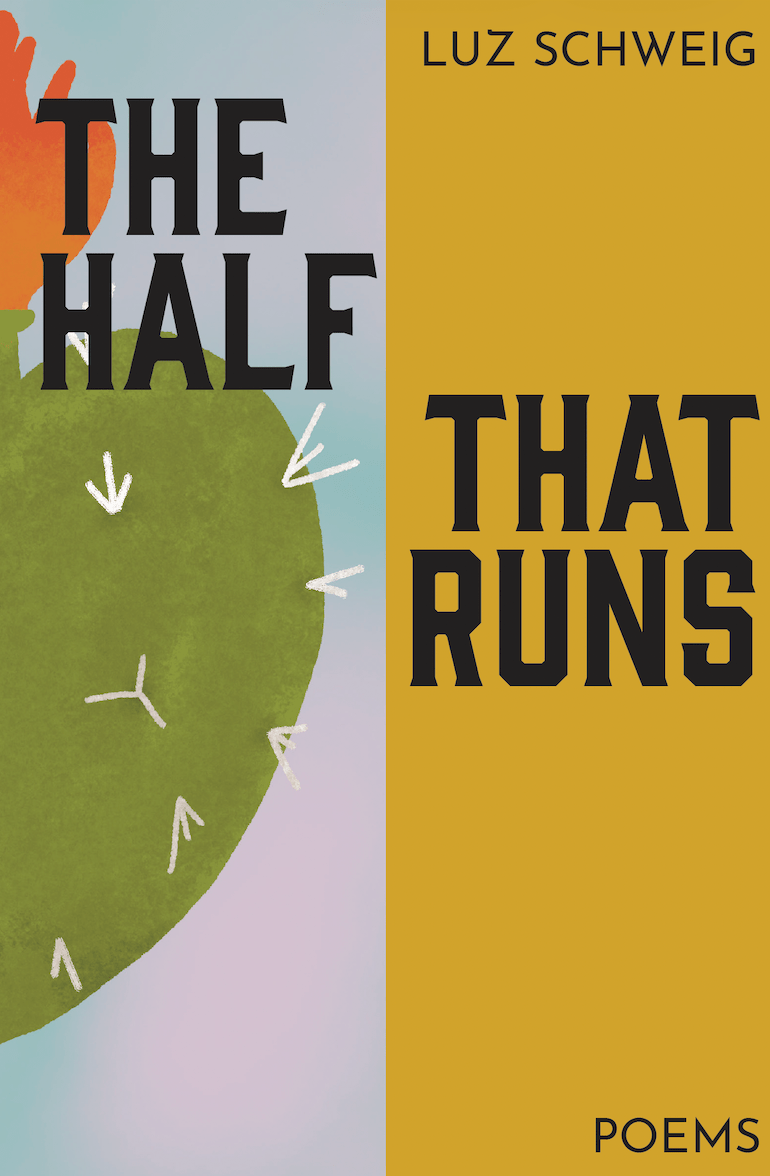
The Half That Runs by Luz Schweig
What if your memories had a geography—one that kept shifting under your feet like sand? Discover how The Half That Runs by Luz Schweig maps identity—read the full piece.
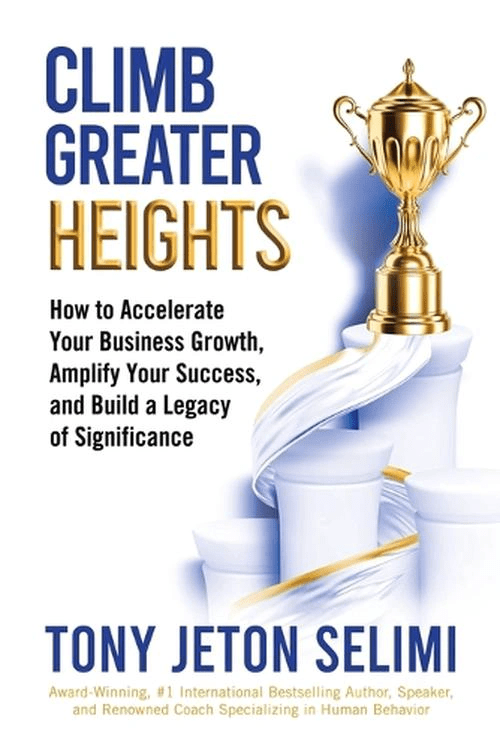
Book Review: Climb Greater Heights by Tony Jeton Selimi
What if your biggest business obstacle isn’t competition but something invisible within you? Discover the answer in Climb Greater Heights by Tony Jeton Selimi—read the full review to explore.

 OneTribune