

There’s a certain age when children start to ask, “Why not?” Why can’t I be a scientist? Why can’t I explore the city? Why can’t I do something different? In Metrognome, Jana Cruz captures this universal childhood moment—the point when wonder outweighs comfort, and questions grow bigger than flower baskets.
According to child development research, children aged 6 to 9 begin to understand cause and effect, emotional nuance, and ambition in a more complex way. This is exactly the age range Cruz’s book speaks to with gentle clarity. In the story, we see a character who doesn’t just want more—she seeks it with intention, kindness, and a spark of curiosity that’s downright contagious.
A Symphony of Imagination and Learning
What if you could weave historical figures, scientific invention, and creative storytelling into one seamless children’s book? That’s what Cruz accomplishes with surprising finesse. Instead of overwhelming young readers with facts, the book wraps music history in a fable-like world, where fantasy meets reality through subtle nods to figures like Beethoven and Maelzel. These aren’t just names dropped for novelty—they’re part of the story’s rhythm, offering a gentle introduction to musical concepts without feeling educational in the strict sense.
Just like the beat of a metronome, the narrative maintains perfect tempo: not too slow for eager minds, not too fast for little hearts still learning to feel brave. It moves forward with intention, giving room for awe and reflection.
The Hero We Didn’t Know We Needed
Why does this story work? Because it doesn’t rely on high drama or mythical creatures to enchant its audience. Instead, it leans into the very things children often overlook in themselves—quiet strength, unspoken dreams, and the desire to create rather than simply consume.
Cora, the main character, is a role model precisely because she isn’t perfect. She’s curious. She’s respectful. She grows not through force but by making small, bold choices. Children can see themselves in her—not as superheroes, but as real explorers of their own potential.
More Than a Pun—It’s a Philosophy
The title, Metrognome, is a cheeky play on words. But it also suggests a deeper theme: the evolution of identity. A garden gnome becomes a metronome, yes—but more importantly, a character grows into herself. It’s subtle, but for a parent or teacher reading alongside a child, this evolution is deeply affirming. It reminds us that even the smallest of beings can drive the tempo of great change.
According to developmental psychologists, one of the most empowering messages we can give children is that their ideas matter. Cruz does this without shouting it. Instead, she lets the story show it—beat by beat.
Who It’s For (and Who Might Not Click With It)
This book is a gift to readers who love music, gentle adventures, and thoughtful characters. It’s ideal for classrooms, bedtime reading, and curious minds who ask a lot of “why’s.” That said, those looking for action-packed fantasy or complex plot twists might find it too mellow.
The tone is reminiscent of Kate DiCamillo’s quieter works and the gentle educational grace of “Magic Tree House” adventures—but with a unique voice all its own.
Final Notes on a Story That Keeps the Beat
In a time when many children’s books lean on sparkle or speed, Metrognome dares to slow down and listen. Like a well-tuned instrument, every element—from the historically grounded endnote to the glossary of musical terms—serves a purpose.
It’s a reminder that some stories don’t need explosions or magical realms to make an impact. Sometimes, all it takes is a question, a dream, and a steady tempo to turn a tiny garden gnome into something extraordinary.
Let this book be the steady tick in a child’s imagination, keeping time while they find their own rhythm.
Wordscape Wonders Award
The book is a recipient of the Wordscape Wonders Award. At Wordscape Wonders, we believe stories are more than just words on a page—they are bridges across worlds. The Wordscape Wonders Award honors books that explore the landscapes of the human spirit, blending diverse voices with themes of love, resilience, growth, and discovery. These works invite us to journey through unfamiliar perspectives, offering a deeper appreciation for the rich kaleidoscope of life.
We’d love to hear from you!
What are your thoughts on this piece? Share your insights in the comments below!
- What stood out to you most about this post?
- Have you read a book recently that relates to the themes discussed here?
- What’s your favorite takeaway or reflection from this write-up?
Let’s keep the conversation going—your thoughts make this space richer!
Disclaimer: The content on this site is provided for informational and inspirational purposes only. While we strive for accuracy, the views expressed in reviews, articles, and recommendations are subjective and may not reflect the opinions of all readers.
We receive complimentary copies of all books we review. However, this practice does not compromise the integrity or honesty of our reviews. Every write-up reflects the contributor’s genuine impressions and critical analysis, ensuring transparency and trust with our readers.
For a complete understanding of our practices, please refer to our full Disclaimer, Privacy Policy, and Terms of Service. These documents outline how we manage your information, ensure transparency, and uphold your rights as a user.
To request for a review, to nominate your favorite book for an award, or for more details about our awards, click here.
Other Stories

Reimagining Life Through Words and Service with Debra J. White
What happens when life’s hardest blows lead to unexpected purpose? Discover how Debra turned trauma, recovery, and rescued animals into writing and volunteer work that inspires resilience and connection.
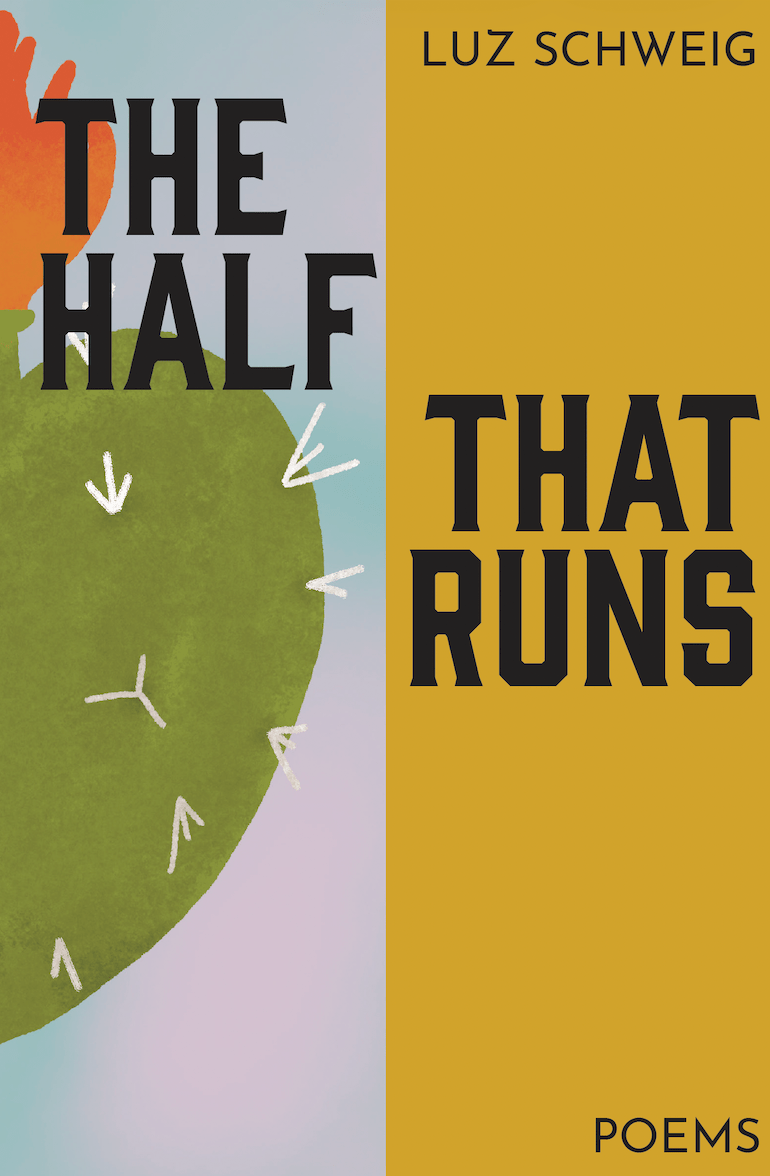
The Half That Runs by Luz Schweig
What if your memories had a geography—one that kept shifting under your feet like sand? Discover how The Half That Runs by Luz Schweig maps identity—read the full piece.
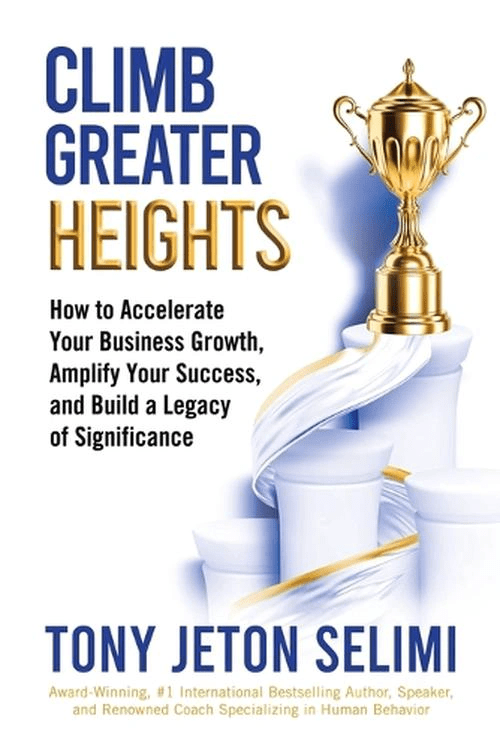
Book Review: Climb Greater Heights by Tony Jeton Selimi
What if your biggest business obstacle isn’t competition but something invisible within you? Discover the answer in Climb Greater Heights by Tony Jeton Selimi—read the full review to explore.

 OneTribune
