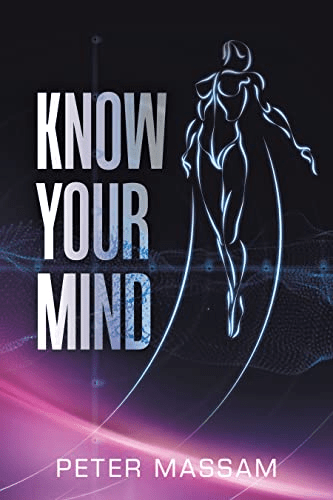
Reading Know Your Mind feels less like following a structured argument and more like sitting down with an old friend—one who has spent decades testing out what the mind can do and now wants to share the results. Peter Massam’s approach isn’t academic or dry; it’s reflective, anecdotal, and deeply personal. The book is not just about understanding the mind—it’s about experiencing its potential in ways we rarely consider.
From childhood memories to corporate team-building exercises, Massam draws from real-life experiences to demonstrate the mind’s influence over the body, our perception of time, and even our ability to connect with others beyond words. The result is a book that doesn’t just tell you what to think—it dares you to start noticing things you’ve always overlooked.
The Body Is Just a Suggestion
One of the book’s most surprising ideas is the notion that our physical limits are often self-imposed. Massam shares a moment from his corporate career when, despite having no martial arts background, he successfully broke a wooden board with his bare hand at a work event. He hadn’t trained for it—he had simply followed the instructor’s advice to “visualize beyond the board.”
This concept of mentally bypassing physical barriers extends to how we handle pain. Massam recalls a technique he learned from a Spanish documentary, in which patients trained themselves to suppress pain signals without anesthesia. He experiments with this method himself—applying it in situations from dentist visits to unexpected injuries—and finds remarkable success. The takeaway? The way we think about our bodies may be just as important as the state they’re actually in.
The Illusion of Time and the Power of Perception
What if time wasn’t as rigid as we think? In one particularly fascinating anecdote, Massam describes a night where he repeatedly woke up at times like 10:10, 11:11, and 12:12. Was this just coincidence, or was his mind somehow syncing itself with an invisible rhythm?
Massam suggests that our experience of time is far more flexible than we assume. He even puts this idea to the test during international travel, training his body to adapt instantly to new time zones. Instead of being ruled by jet lag, he simply “tells” his body what time it is—and it listens. Whether or not you buy into the idea, it raises an interesting question: how much of our exhaustion, discomfort, and routine is truly biological, and how much of it is just programming?
Can the Mind Reach Beyond the Body?
One of the most unconventional aspects of Know Your Mind is its exploration of what could be called “mental communication.” Massam recounts moments where he seemed to know what someone was going to say before they said it, or when his thoughts appeared to influence events around him.
Skeptics might dismiss these as lucky guesses, but Massam challenges readers to pay closer attention to their own experiences. Have you ever thought about someone just before they called you? Have you ever entered a room and immediately sensed tension, even before anyone spoke? The book doesn’t claim to have all the answers, but it does encourage readers to stop dismissing these moments as random and start questioning whether they point to something more.
A Book That Won’t Fit in a Box
What makes Know Your Mind so engaging is that it refuses to fit neatly into one genre. It’s part memoir, part philosophy, part self-experimentation. It’s rooted in real experiences but isn’t afraid to entertain ideas that mainstream science hasn’t fully explained yet.
Massam doesn’t ask you to take his word for anything. Instead, he encourages you to run your own mental experiments—to challenge your own assumptions about what is possible. He presents ideas, tests them in his own life, and leaves the reader with one simple but powerful challenge: what if you tried this for yourself?
Final Verdict
Know Your Mind is not a book that tells you how to live your life. Instead, it offers you a new lens through which to view it. If you’ve ever had a moment where reality felt a little too coincidental, if you’ve ever wondered whether your thoughts have more power than you realize, this book will resonate with you. It won’t give you easy answers—but it will make you ask better questions.
Content Warning
This book explores ideas that challenge conventional views of science, psychology, and personal experience. While it does not contain any offensive material, some readers may find its philosophical and metaphysical themes unconventional. Those who prefer strictly evidence-based discussions may find certain ideas speculative.
Narrative Voyager Award

This book is a winner of the Narrative Voyager Award, which recognizes the transformative power of storytelling. In a world filled with myriad voices and stories waiting to be discovered, this award highlights books that inspire empathy, challenge conventions, and foster connections across borders—be they physical, cultural, or emotional. By celebrating these stories, we hope to create a literary map where every reader can take on journeys of discovery, reflection, and growth.
We’d love to hear from you!
What are your thoughts on this piece? Share your insights in the comments below!
- What stood out to you most about this post?
- Have you read a book recently that relates to the themes discussed here?
- What’s your favorite takeaway or reflection from this write-up?
Let’s keep the conversation going—your thoughts make this space richer!
Disclaimer: The content on this site is provided for informational and inspirational purposes only. While we strive for accuracy, the views expressed in reviews, articles, and recommendations are subjective and may not reflect the opinions of all readers.
We receive complimentary copies of all books we review. However, this practice does not compromise the integrity or honesty of our reviews. Every write-up reflects the contributor’s genuine impressions and critical analysis, ensuring transparency and trust with our readers.
For a complete understanding of our practices, please refer to our full Disclaimer, Privacy Policy, and Terms of Service. These documents outline how we manage your information, ensure transparency, and uphold your rights as a user.
To request for a review, to nominate your favorite book for an award, or for more details about our awards, click here.
Other Stories

Reimagining Life Through Words and Service with Debra J. White
What happens when life’s hardest blows lead to unexpected purpose? Discover how Debra turned trauma, recovery, and rescued animals into writing and volunteer work that inspires resilience and connection.
The Half That Runs by Luz Schweig
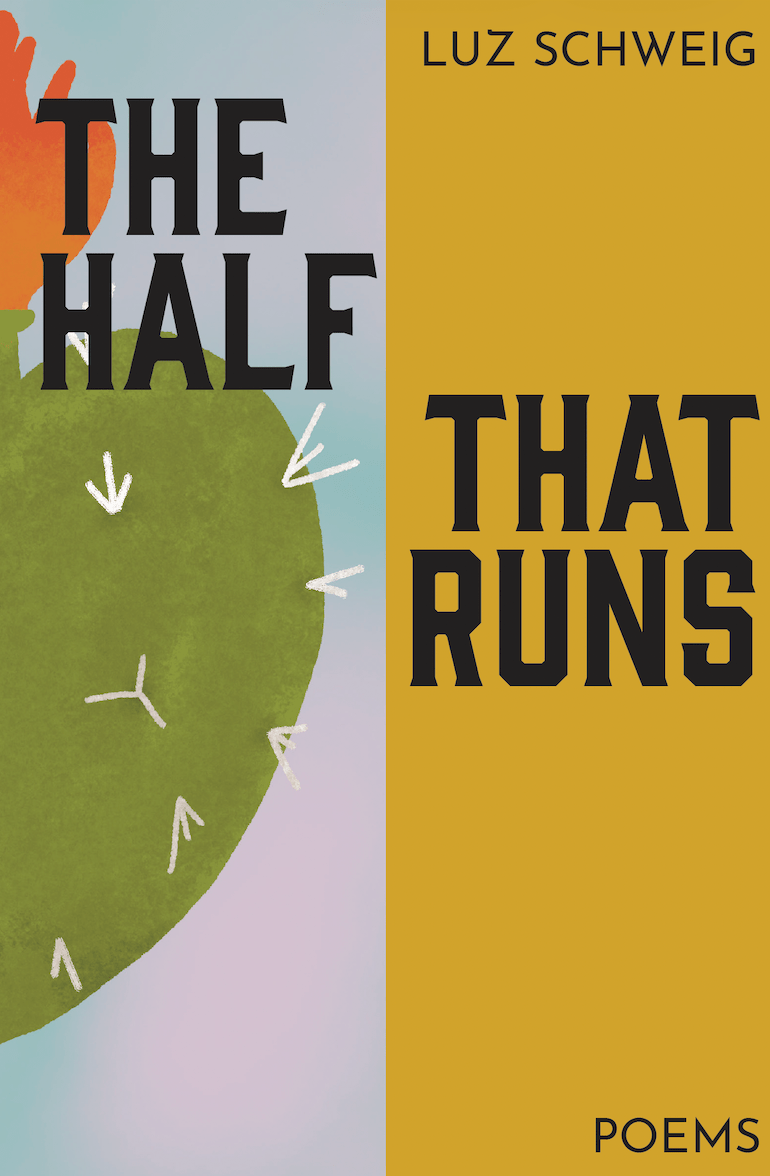
What if your memories had a geography—one that kept shifting under your feet like sand? Discover how The Half That Runs by Luz Schweig maps identity—read the full piece.
Book Review: Climb Greater Heights by Tony Jeton Selimi
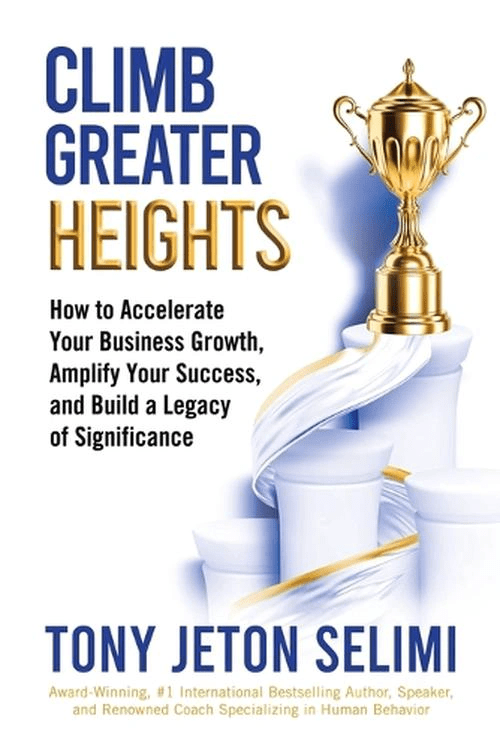
What if your biggest business obstacle isn’t competition but something invisible within you? Discover the answer in Climb Greater Heights by Tony Jeton Selimi—read the full review to explore.

 OneTribune