

Can simple words weave complex emotions? Isabela Sardas, Ph.D., answers this question with Belle and Chloe: Reflections in the Mirror, a children’s story that turns unadorned language into profound lessons. The beauty of the book is not just in its plot but in the way its language seems to speak directly to the hearts of readers, regardless of age.
There’s a story from ancient Greece that speaks of the goddess Athena crafting the olive tree—an offering of peace, wisdom, and resilience. Sardas’s prose feels similarly deliberate, each word planted with care to grow something enduring in the minds of her readers. She avoids linguistic frills, instead allowing the narrative’s emotional weight to take root. The accident that transforms Belle’s life is described with an honesty that is neither clinical nor melodramatic, striking a balance that draws young readers into a world where pain is acknowledged but never dwelled upon.
Sardas’s use of metaphor is particularly striking. Scars, she suggests, are not just remnants of pain but an art form—a redefinition of beauty that aligns with cultural perspectives like those found in Japanese kintsugi. The metaphor is both poetic and empowering, turning what might be a source of shame into a symbol of strength. For young readers grappling with their own insecurities, this is a powerful reminder that beauty exists in unexpected places.
What truly sets this book apart is its rhythm—a cadence of simplicity and depth that mirrors the pulse of childhood itself. Sardas’s dialogue is unassuming, but it carries the weight of universality. Consider Belle’s quiet moment of vulnerability when she asks her dog Muffin, “Why did this have to happen to me?” It’s a question every child—and indeed, every adult—has asked in moments of hardship. Sardas doesn’t answer it outright, leaving room for readers to reflect on their own lives.
Beyond its language, the book’s structure subtly reinforces its themes. The narrative moves like a pendulum, swinging between moments of despair and hope, much like the process of healing itself. The inclusion of professional therapy is handled with a matter-of-fact tone that destigmatises seeking help, while Chloe’s gesture of getting henna art to match Belle’s scars becomes a poetic crescendo, a moment where the prose transcends its simplicity to evoke something ineffable.
Even the illustrations, which might be overlooked by some, deserve attention. Each image is carefully calibrated to complement the text, using warm colours and expressive characters to amplify the story’s emotional core. The pictures don’t just illustrate the narrative; they deepen it, creating a synergy that turns each page into an immersive experience.
The true brilliance of Belle and Chloe lies in how it invites readers to find their own reflections within its pages. Who hasn’t felt the sting of rejection, the weight of guilt, or the struggle to redefine themselves after a setback? Sardas uses the simplest tools—words and images—to bridge the distance between reader and character, making Belle’s journey not just a story but a shared experience.
If language has the power to heal, then Sardas wields it like a master artisan. Belle and Chloe doesn’t just tell a story; it creates a space where readers of all ages can confront their own scars, both visible and invisible. The words linger long after the last page, not as a whisper but as an invitation: What will you make of your own reflections?
Wordscape Wonders Award
The book is a recipient of the Wordscape Wonders Award. At Wordscape Wonders, we believe stories are more than just words on a page—they are bridges across worlds. The Wordscape Wonders Award honors books that explore the landscapes of the human spirit, blending diverse voices with themes of love, resilience, growth, and discovery. These works invite us to journey through unfamiliar perspectives, offering a deeper appreciation for the rich kaleidoscope of life.
We’d love to hear from you!
What are your thoughts on this piece? Share your insights in the comments below!
- What stood out to you most about this post?
- Have you read a book recently that relates to the themes discussed here?
- What’s your favorite takeaway or reflection from this write-up?
Let’s keep the conversation going—your thoughts make this space richer!
Disclaimer: The content on this site is provided for informational and inspirational purposes only. While we strive for accuracy, the views expressed in reviews, articles, and recommendations are subjective and may not reflect the opinions of all readers.
We receive complimentary copies of all books we review. However, this practice does not compromise the integrity or honesty of our reviews. Every write-up reflects the contributor’s genuine impressions and critical analysis, ensuring transparency and trust with our readers.
For a complete understanding of our practices, please refer to our full Disclaimer, Privacy Policy, and Terms of Service. These documents outline how we manage your information, ensure transparency, and uphold your rights as a user.
To request for a review, to nominate your favorite book for an award, or for more details about our awards, click here.
Other Stories

Reimagining Life Through Words and Service with Debra J. White
What happens when life’s hardest blows lead to unexpected purpose? Discover how Debra turned trauma, recovery, and rescued animals into writing and volunteer work that inspires resilience and connection.
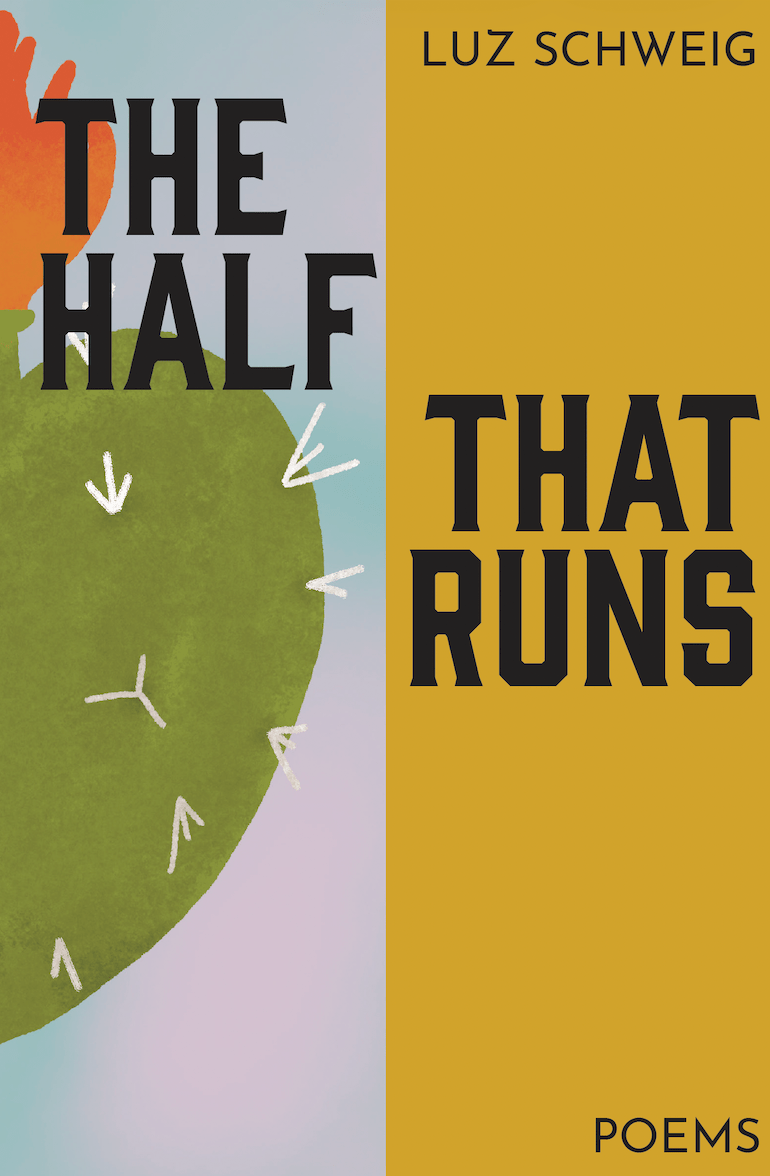
The Half That Runs by Luz Schweig
What if your memories had a geography—one that kept shifting under your feet like sand? Discover how The Half That Runs by Luz Schweig maps identity—read the full piece.
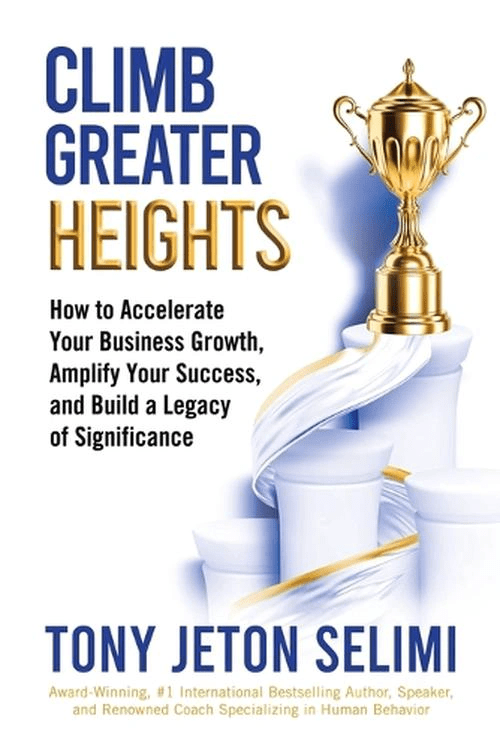
Book Review: Climb Greater Heights by Tony Jeton Selimi
What if your biggest business obstacle isn’t competition but something invisible within you? Discover the answer in Climb Greater Heights by Tony Jeton Selimi—read the full review to explore.

 OneTribune
