
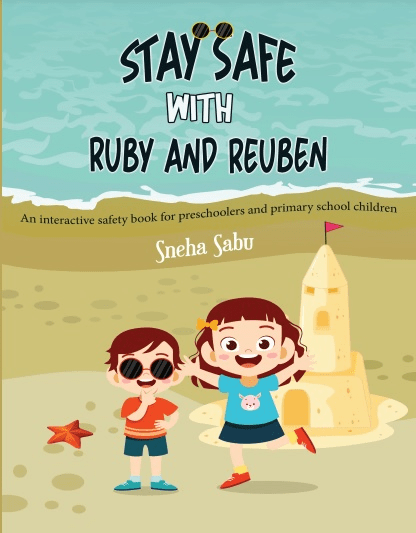
In Stay Safe with Ruby and Reuben, Sneha Sabu has crafted an engaging, informative, and interactive children’s safety book that combines storytelling with practical life skills. The book is targeted at young children, particularly those in preschool and early primary school, and provides crucial lessons on personal safety, the importance of boundaries, and how to protect oneself from harm.
Ruby and Reuben, the book’s protagonists, introduce children to the critical concepts of “good touch” and “bad touch,” as well as how to recognize unsafe behaviors from adults or peers. The language used is simple and appropriate for the target age group, making complex and often uncomfortable topics accessible to children. Through their adventures, Ruby and Reuben demonstrate what constitutes acceptable and unacceptable physical interactions, which is particularly vital in today’s world where children need to be empowered with the knowledge to protect themselves.
The safety tips throughout the book are extremely practical, covering real-life scenarios such as walking to school, taking public transport, and even going to a friend’s house for a sleepover. The guidelines about being cautious with strangers, understanding the importance of shouting for help, and the significance of telling trusted adults about any uncomfortable or unsafe situations are invaluable. These practical tips are complemented by the book’s various activities, which help reinforce key safety concepts and allow children to actively participate in their learning.
The interactive elements of the book set it apart from many others in the genre. For example, children are encouraged to write down emergency contact numbers, engage in discussions about safety plans with their parents, and even create secret codes that can be used in case of emergencies. These activities not only enhance the learning experience but also provide children with tangible skills they can use in their everyday lives.
One of the most significant aspects of Stay Safe with Ruby and Reuben is its focus on self-empowerment. The book emphasizes that children have the right to say “no” when something doesn’t feel right and to ask for help when needed. It encourages children to trust their instincts and always speak up, reinforcing the idea that they are their own best protectors. This positive reinforcement, combined with clear and simple safety strategies, gives children the confidence to make informed decisions when it comes to their personal safety.
What makes this book a valuable tool for parents and educators is that it opens up essential conversations about personal safety. It can serve as a springboard for more in-depth discussions about boundaries, consent, and self-protection. By creating a dialogue around these topics early on, the book helps children internalize important life skills that will serve them well into adulthood.
In conclusion, Stay Safe with Ruby and Reuben is an empowering and effective resource that combines vital life lessons with fun, engaging content. Sneha Sabu has created a book that not only teaches children about safety but also empowers them to make safe choices, ask for help when needed, and protect themselves in a variety of situations. It is an invaluable tool for parents and educators who want to equip children with the knowledge and confidence they need to stay safe in a complex world.
Words Across the Waters Book Award
The book is a Words Across the Waters Book Award winner, celebrated as one of the books that go beyond the surface and offer readers deep cultural insights and transformative experiences. Whether a work of fiction, memoir, or poetry collection, we seek stories that are not only well-crafted but also offer windows into the lives, traditions, and histories that shape our world. Our award-winning books challenge us to see through the eyes of others, face unfamiliar experiences, and reflect on the universal themes that bind us together.
We’d love to hear from you!
What are your thoughts on this piece? Share your insights in the comments below!
- What stood out to you most about this post?
- Have you read a book recently that relates to the themes discussed here?
- What’s your favorite takeaway or reflection from this write-up?
Let’s keep the conversation going—your thoughts make this space richer!
Disclaimer: The content on this site is provided for informational and inspirational purposes only. While we strive for accuracy, the views expressed in reviews, articles, and recommendations are subjective and may not reflect the opinions of all readers.
We receive complimentary copies of all books we review. However, this practice does not compromise the integrity or honesty of our reviews. Every write-up reflects the contributor’s genuine impressions and critical analysis, ensuring transparency and trust with our readers.
For a complete understanding of our practices, please refer to our full Disclaimer, Privacy Policy, and Terms of Service. These documents outline how we manage your information, ensure transparency, and uphold your rights as a user.
To request for a review, to nominate your favorite book for an award, or for more details about our awards, click here.
Other Stories
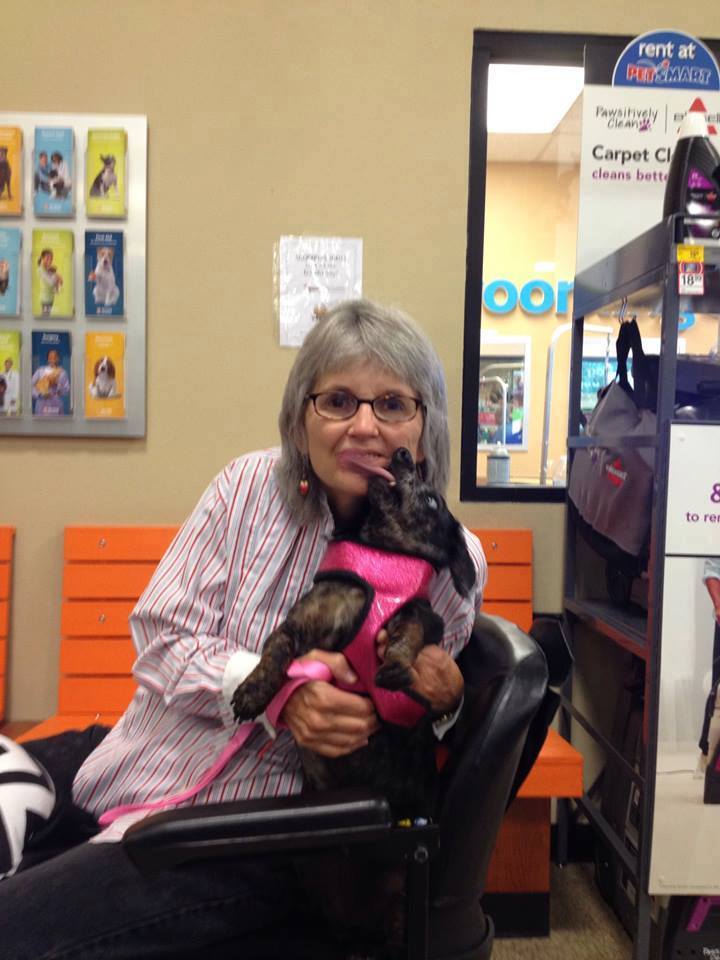
Reimagining Life Through Words and Service with Debra J. White
What happens when life’s hardest blows lead to unexpected purpose? Discover how Debra turned trauma, recovery, and rescued animals into writing and volunteer work that inspires resilience and connection.
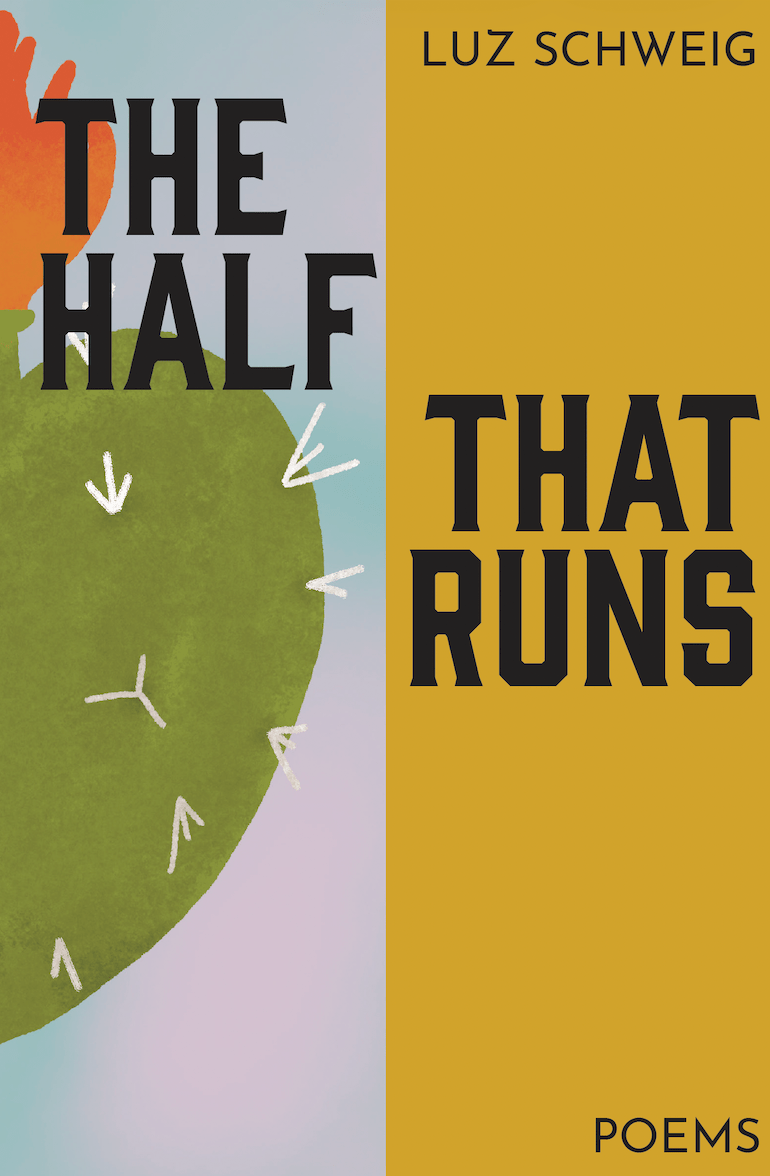
The Half That Runs by Luz Schweig
What if your memories had a geography—one that kept shifting under your feet like sand? Discover how The Half That Runs by Luz Schweig maps identity—read the full piece.
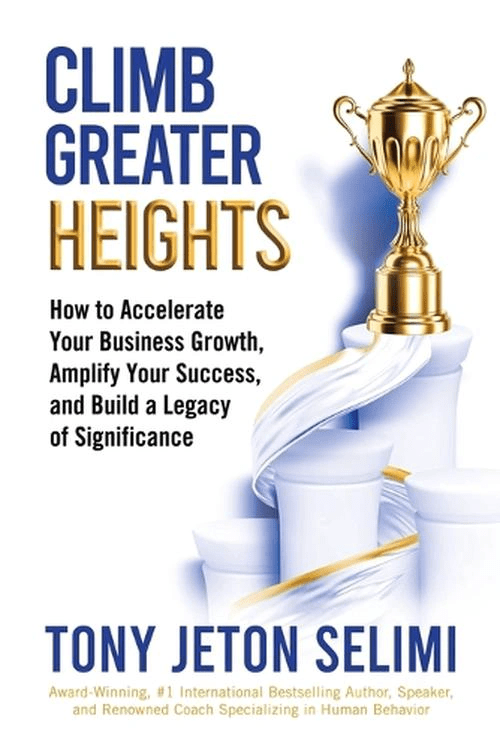
Book Review: Climb Greater Heights by Tony Jeton Selimi
What if your biggest business obstacle isn’t competition but something invisible within you? Discover the answer in Climb Greater Heights by Tony Jeton Selimi—read the full review to explore.

 OneTribune
