

Ever heard a song that doesn’t just play in your ears but lingers in your bones? Some writing has that effect too—not just telling a story but orchestrating it, making language feel less like ink on a page and more like a rhythm you can step into. Greg Fields’s The Bright Freight of Memory is one such novel. Its prose doesn’t just narrate; it breathes, sways, and aches.
But lyrical writing isn’t just about beauty. It’s about weight—the kind that makes you pause mid-sentence, the kind that leaves a residue of meaning long after you’ve turned the page. While many readers will follow the plot of The Bright Freight of Memory—a story of survival, trauma, and the ghosts we inherit—what they might not stop to examine is how it’s told. And that’s exactly what we’re doing here.
Music Without a Melody: The Power of Lyricism in Fiction
Pat Conroy once wrote, “My wound is geography.” For Greg Fields, language is geography. His words map out the characters’ internal and external landscapes, tracing the scars of poverty, violence, and fractured dreams with an almost hypnotic cadence. There’s something deeply Irish in this—how pain is woven into poetry, how suffering is never told plainly but instead wrapped in words that almost make it feel sacred.
Consider this passage from the book:
“Jock’s departure was not mourned. Nature did not take notice, and so the next morning dawned in full, bright sunlight, traffic rolled through Washington in its usual way. Winds did not howl, banshees did not keen.”
There’s no dramatic punctuation here. No exclamation points, no sentimental flourish. And yet, the simplicity of the prose makes the absence of grief feel even heavier. It’s the kind of writing that doesn’t just say something—it echoes.
The Hemingway Paradox: Sparse Yet Lush
Fields’s writing style operates in a paradox. It’s at once stripped-down yet poetic, straightforward yet lingering. It echoes Hemingway’s belief that less is more—but instead of Hemingway’s characteristic bluntness, Fields fills the space between words with a quiet sort of music. He knows that the unsaid is often louder than the spoken.
Take another moment from the novel:
“Matthew Cooney became a rope pulled tight and straight, a stone rounded by the pulsations of the water that flowed against it.”
Here, we don’t just read about a character feeling tension—we feel it. The comparison to a rope, the imagery of water smoothing out a stone—it’s subtle, but it lingers. And that’s the mark of a writer who doesn’t just write—he composes.
Literary Lineage: The Irish Echoes in Fields’s Prose
It would be impossible to discuss Fields’s narrative style without acknowledging its Irish DNA. His writing stands alongside the tradition of James Joyce, Frank McCourt, and Colm Tóibín—writers who understand that a story isn’t just what happens, but how it’s told.
There’s a reason the Irish literary tradition leans into lyricism. It comes from centuries of storytelling, from a history of carrying pain in words rather than weapons, from a cultural instinct to turn suffering into something almost beautiful.
And The Bright Freight of Memory is full of this tradition. You can feel it in the way Fields lets his prose stretch and contract, how he makes even the smallest moments feel like something old and eternal.
The Weight of Beautiful Words
But here’s the real question: Does lyricism help a story about suffering, or does it romanticize it? Do beautifully written words soften the blows of hardship, making it easier to digest pain that should be raw and jagged? Or does it simply make pain felt in a way that blunt storytelling never could?
Fields never lets beauty sugarcoat reality. His words may sing, but they don’t soothe. Instead, they force the reader to linger in the world he’s created—to sit with the struggles of Matthew Cooney and Donal Mannion, to feel the weight of generational scars, to recognize that hardship doesn’t always come in shouts. Sometimes, it comes in whispers. And sometimes, those whispers are written in prose so lyrical you almost don’t notice how much they hurt.
Final Verdict
Greg Fields doesn’t just write—he conducts. His prose in The Bright Freight of Memory is a masterclass in how language can elevate a story, how it can make the ordinary poetic and the painful unforgettable. If you’re a reader who appreciates not just what is written but how, this is a book that deserves to be savored.
Content Warning
This novel contains themes of domestic abuse, alcoholism, and generational trauma. While presented with literary sensitivity, some readers may find certain scenes emotionally heavy.
Booknomad Tales Five Stars Award

This book is a winner of the Booknomad Tales Five Stars Award, an accolade that reflects the mission of Booknomad Tales: to explore literature that resonates universally, while celebrating the distinct voices that make global storytelling so vibrant. Whether it’s a contemporary novel, a poignant memoir, or an evocative collection of poetry, award-winning books embody the heart and soul of what it means to be a nomad of the literary world.
We’d love to hear from you!
What are your thoughts on this piece? Share your insights in the comments below!
- What stood out to you most about this post?
- Have you read a book recently that relates to the themes discussed here?
- What’s your favorite takeaway or reflection from this write-up?
Let’s keep the conversation going—your thoughts make this space richer!
Disclaimer: The content on this site is provided for informational and inspirational purposes only. While we strive for accuracy, the views expressed in reviews, articles, and recommendations are subjective and may not reflect the opinions of all readers.
We receive complimentary copies of all books we review. However, this practice does not compromise the integrity or honesty of our reviews. Every write-up reflects the contributor’s genuine impressions and critical analysis, ensuring transparency and trust with our readers.
For a complete understanding of our practices, please refer to our full Disclaimer, Privacy Policy, and Terms of Service. These documents outline how we manage your information, ensure transparency, and uphold your rights as a user.
To request for a review, to nominate your favorite book for an award, or for more details about our awards, click here.
Other Stories

Reimagining Life Through Words and Service with Debra J. White
What happens when life’s hardest blows lead to unexpected purpose? Discover how Debra turned trauma, recovery, and rescued animals into writing and volunteer work that inspires resilience and connection.
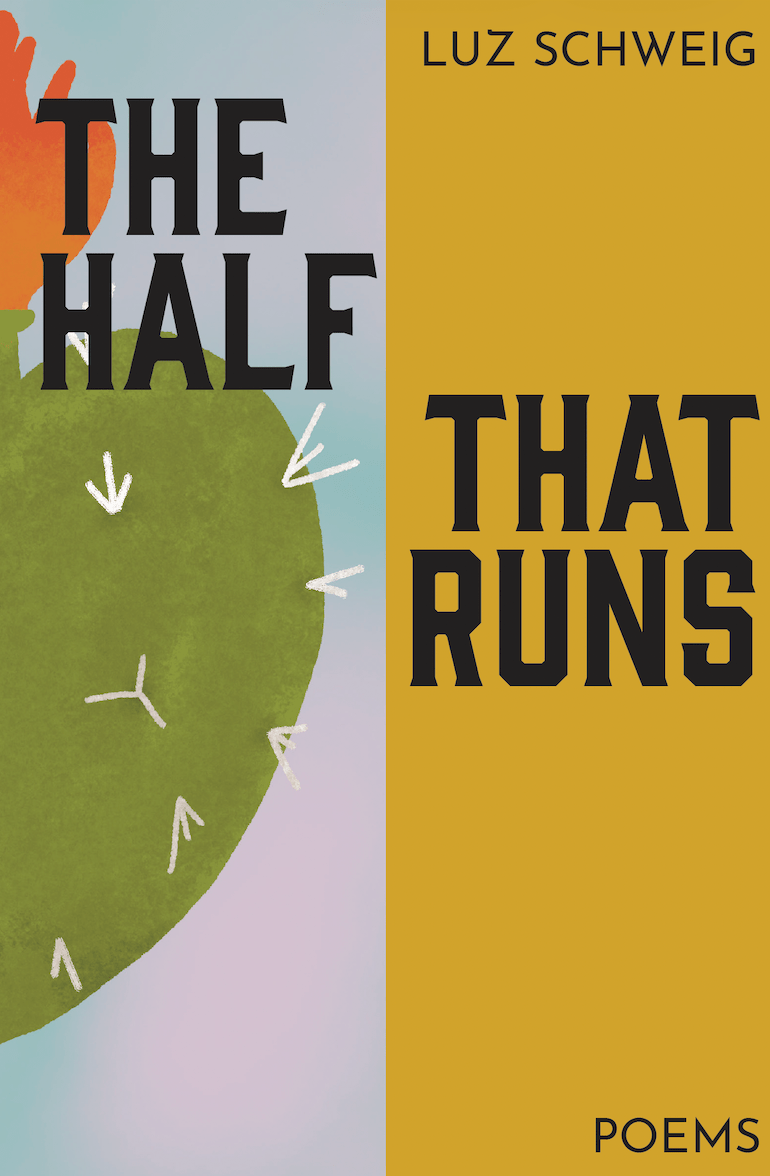
The Half That Runs by Luz Schweig
What if your memories had a geography—one that kept shifting under your feet like sand? Discover how The Half That Runs by Luz Schweig maps identity—read the full piece.
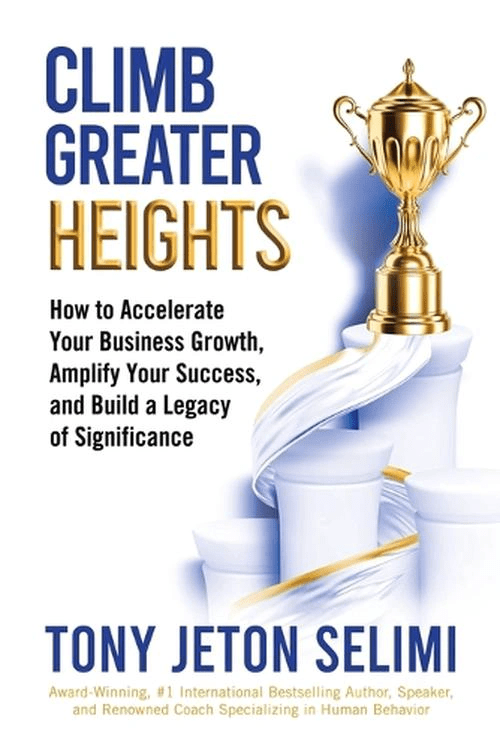
Book Review: Climb Greater Heights by Tony Jeton Selimi
What if your biggest business obstacle isn’t competition but something invisible within you? Discover the answer in Climb Greater Heights by Tony Jeton Selimi—read the full review to explore.

 OneTribune
