
Content Warning: This review discusses themes of physical trauma, emotional recovery, and family struggles. The book portrays these with care and sensitivity, making it suitable for children and families, but it also looks into the psychological effects of scars and self-perception, which may evoke strong emotions in some readers.
Resilience, Reimagined: Lessons Woven into Scars
How does a single story turn pain into art, scars into strength, and hardships into lessons? Belle and Chloe: Reflections in the Mirror by Isabela Sardas, Ph.D., is more than a children’s book—it’s an educational odyssey that offers profound philosophical insights wrapped in a heartwarming tale. Beneath its straightforward narrative lies a kaleidoscope of lessons on resilience, empathy, and the transformative power of reframing adversity.
Scars as Symbols: From Imperfection to Identity
At first glance, Belle’s scars from a kitchen accident are just that—marks of a traumatic event. But Sardas masterfully reshapes them into symbols of survival and beauty. This reframing echoes the Japanese art of kintsugi, where broken pottery is repaired with gold, highlighting flaws rather than hiding them. Similarly, Belle’s journey is about learning to see her scars not as something to conceal but as part of her identity.
Sardas also challenges readers to question societal standards of beauty. In a world dominated by airbrushed perfection, how often do we teach children to value uniqueness? Belle’s transformation from shame to self-acceptance serves as a quiet rebellion against these norms. As Oscar Wilde once said, “To love oneself is the beginning of a lifelong romance.”
Therapy: A New Kind of Classroom
In a groundbreaking approach for children’s literature, Belle and Chloe integrates therapy as a natural and empowering part of the healing process. Belle’s sessions with her psychologist are written with a clarity that makes complex ideas accessible to young readers. Sardas uses these moments to teach practical lessons—how to respond when people stare, how to explain what happened, and how to embrace the discomfort of vulnerability.
This is where Sardas’s expertise as a psychologist shines. Studies from the National Institute of Mental Health show that children who receive early psychological intervention after trauma are significantly more likely to recover emotionally. By normalizing therapy in her narrative, Sardas not only provides a roadmap for recovery but also removes the stigma surrounding mental health—a gift to readers of all ages.
The Art of Empathy: Chloe’s Silent Transformation
While Belle’s journey is the story’s emotional core, Chloe’s role as the supportive twin offers equally valuable lessons. Her decision to adorn herself with henna patterns mirroring Belle’s scars is a profound act of empathy that recalls cultural practices where body art serves as a communal bond. From Indian bridal henna to the intricate tattoos of the Māori, these traditions use art to signify connection and identity. Chloe’s gesture underscores an essential truth: empathy isn’t about solving someone else’s pain; it’s about standing beside them in it.
Sardas also explores the complexities of sibling dynamics with rare honesty. Chloe’s moments of jealousy and frustration, juxtaposed with her acts of love, feel deeply authentic. Isn’t that the essence of family? To be flawed but fiercely loyal?
Educational Value Hidden in the Details
Beyond the narrative, the book serves as an educational tool for families and educators alike. Sardas subtly introduces young readers to the psychological concepts of resilience, cognitive reframing, and emotional regulation without ever feeling didactic. For example, Belle’s practice of preparing short responses to explain her scars is a real-world strategy that can empower children facing social anxiety or bullying.
The story also highlights the importance of open dialogue within families. When Belle’s mother admits her guilt over the accident, it becomes a teaching moment about the value of vulnerability in parent-child relationships. How often do we, as adults, hide our emotions from children, thinking we’re protecting them? Sardas suggests that sharing struggles can be a source of strength, not weakness.
A Swing Set and a Philosophy of Hope
The recurring image of the swing set—a place where Belle and Chloe reconnect—serves as a metaphor for life’s ups and downs. Much like the pendulum of a swing, healing isn’t linear; it requires patience, balance, and momentum. Sardas reminds readers that joy and pain coexist, and it’s in accepting both that we find resilience.
A Global Perspective on Healing
What sets Belle and Chloe apart is its cross-cultural resonance. Sardas seamlessly weaves modern therapeutic practices with timeless global traditions, creating a story that feels both contemporary and universal. Whether it’s the symbolism of henna, the philosophical underpinnings of kintsugi, or the communal care found in many indigenous cultures, the book invites readers to view healing as a collective, not just individual, journey.
This global perspective aligns beautifully with the ethos of Beyond Boundaries Reads. By mapping emotional landscapes through universal themes, Sardas proves that stories truly have no borders.
Conclusion: A Lesson for All Ages
Belle and Chloe: Reflections in the Mirror is more than a book—it’s a guide for navigating the human experience. Sardas has crafted a story that teaches young readers to embrace their scars, families to strengthen their bonds, and all of us to see beauty in imperfection.
In the words of Viktor Frankl, “When we are no longer able to change a situation, we are challenged to change ourselves.” Through Belle and Chloe, Sardas challenges us to transform hardship into growth and to look beyond the boundaries of pain to discover the resilience within us all.
For readers seeking not just entertainment but education and philosophical depth, this book is an essential addition to the bookshelf. At Beyond Boundaries Reads, we celebrate stories that expand our horizons, and Belle and Chloe is a shining example of how literature can teach, heal, and inspire.
Beyond Boundaries Reads Book Award
This book is a winner of the Beyond Boundaries Reads Book Award. The award honors exceptional works of literature that transcend borders—geographical, cultural, and imaginative. This award celebrates stories that connect us, foster empathy, and highlight universal themes while amplifying diverse voices from around the world. Spanning fiction, nonfiction, poetry, and youth literature, it recognizes books that inspire, challenge, and deepen our understanding of the global human experience.
We’d love to hear from you!
What are your thoughts on this piece? Share your insights in the comments below!
- What stood out to you most about this post?
- Have you read a book recently that relates to the themes discussed here?
- What’s your favorite takeaway or reflection from this write-up?
Let’s keep the conversation going—your thoughts make this space richer!
Disclaimer: The content on this site is provided for informational and inspirational purposes only. While we strive for accuracy, the views expressed in reviews, articles, and recommendations are subjective and may not reflect the opinions of all readers.
We receive complimentary copies of all books we review. However, this practice does not compromise the integrity or honesty of our reviews. Every write-up reflects the contributor’s genuine impressions and critical analysis, ensuring transparency and trust with our readers.
For a complete understanding of our practices, please refer to our full Disclaimer, Privacy Policy, and Terms of Service. These documents outline how we manage your information, ensure transparency, and uphold your rights as a user.
To request for a review, to nominate your favorite book for an award, or for more details about our awards, click here.
Other Stories

Reimagining Life Through Words and Service with Debra J. White
What happens when life’s hardest blows lead to unexpected purpose? Discover how Debra turned trauma, recovery, and rescued animals into writing and volunteer work that inspires resilience and connection.
The Half That Runs by Luz Schweig
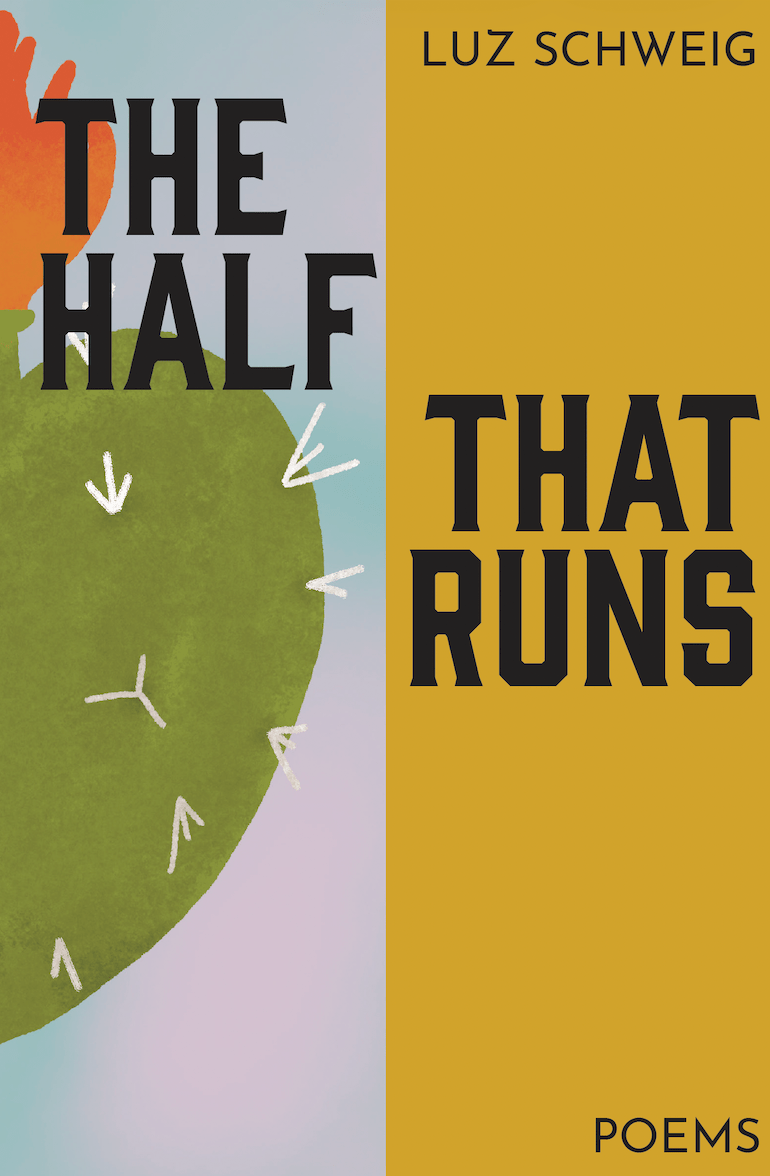
What if your memories had a geography—one that kept shifting under your feet like sand? Discover how The Half That Runs by Luz Schweig maps identity—read the full piece.
Book Review: Climb Greater Heights by Tony Jeton Selimi
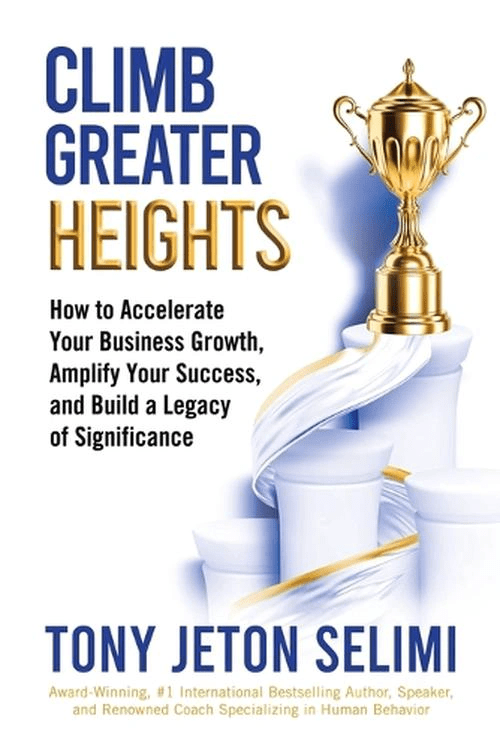
What if your biggest business obstacle isn’t competition but something invisible within you? Discover the answer in Climb Greater Heights by Tony Jeton Selimi—read the full review to explore.
 OneTribune