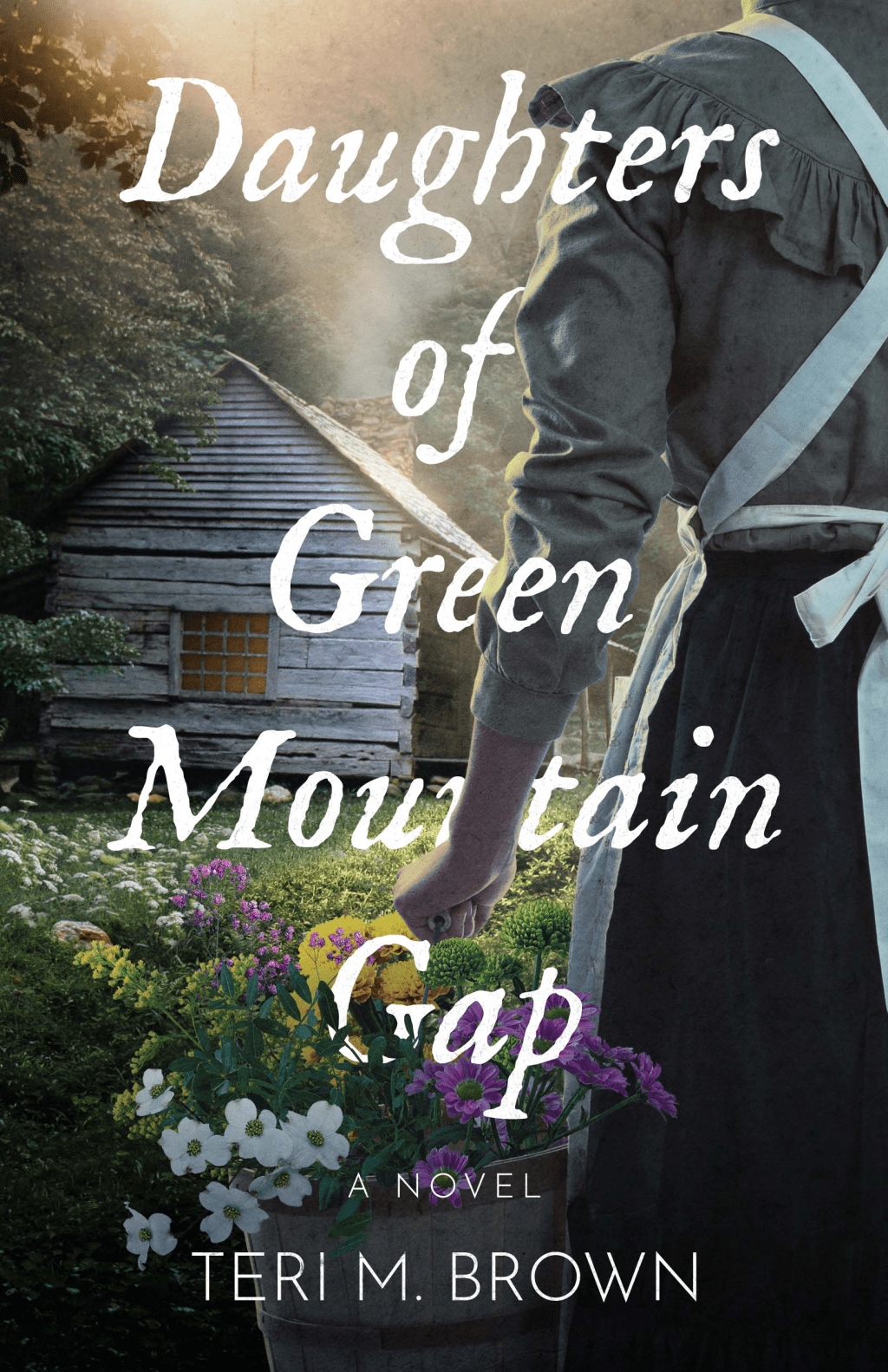
Amazon link: https://www.amazon.com.au/Daughters-Green-Mountain-Teri-Brown/dp/B0CM7W7JHQ
Genre: Historical Fiction
Content Warning: The novel explores themes of death, childbirth, generational trauma, and historical medical practices, including home remedies and the intersection of folk healing and modern medicine. It also touches on racial prejudice and societal expectations of women in history.
The Weight of Seventeen
Numbers have always been more than just digits. Some cultures believe 13 is unlucky; in Italy, it’s 17. Maggie, the novel’s protagonist, marks 17 notches on her walking stick—each representing a life lost under her care as a healer. It’s a tally of regret, responsibility, and reckoning. But who really bears the blame when nature defies both science and tradition?
Teri M. Brown’s novel challenges the idea that healing is a simple science. Western medicine, Indigenous wisdom, and Appalachian folk remedies collide in this richly textured narrative. As Maggie, a “granny woman,” wrestles with the outcomes of her healing hands, her daughter, Carrie Ann, rejects the past in favor of modern medical training. But what if both are right—and wrong—at the same time?
Isn’t that the story of history itself? A push and pull between what we know and what we think we know?
The Medicine of Memory
History is often written by men, but healing? That has long been women’s work. The novel reminds us that knowledge is both inherited and questioned. The Cherokee, often dismissed in their own land, knew the forests like the lines of their palms. Maggie learns from them, but Carrie Ann turns away, seeking legitimacy in a world that devalues what it does not understand.
Florence Nightingale, the “mother of modern nursing,” fought similar battles. She championed sanitation and evidence-based care in a time when doctors scoffed at the idea of washing their hands. Is Carrie Ann a Nightingale of the mountains, or has she severed herself too cleanly from the wisdom of those who came before?
Josie Mae, the youngest of the trio, stands at the crossroads. Will she inherit her grandmother’s touch or her mother’s sterility toward tradition? The tension isn’t just between science and folklore—it’s about belonging, identity, and the burden of legacy.
When the Past is a Place, Not Just a Time
Can a home be both a sanctuary and a prison? Maggie refuses to leave Green Mountain Gap, while Carrie Ann bolts for the city. But no matter how far you go, the past waits patiently.
Burnsville and Asheville—real towns in North Carolina—frame this story. Readers who’ve roamed the Appalachian region will recognize the stark beauty of the mountains and the isolation that breeds both resilience and stubbornness.
Statistics show that rural healthcare is still a challenge today. Even now, women in remote areas struggle to access medical care, relying on a mix of old and new remedies. Maggie’s dilemma is more relevant than it seems—how much of the past should we abandon in the name of progress?
Final Thoughts: The Inheritance of Healing and Hurt
Daughters of Green Mountain Gap is not just historical fiction; it’s an excavation of generational wounds. It forces readers to ask hard questions: Can you inherit guilt? Is knowledge only valid if it comes from a textbook? And most hauntingly—if you try to escape the past, does it simply follow you in new forms?
Brown’s novel doesn’t offer neat resolutions, and that’s its brilliance. Like the mountains themselves, the story is rugged, unyielding, and deeply rooted in something older than memory.
It’s a tale for those who understand that family is more than blood—it’s the stories we pass down, whether we mean to or not.
Global Spines Book Award

This book is a winner of the Global Spines Book Award, which honors exceptional works of literature that transcend borders and speak to universal human experiences. This award celebrates stories that connect readers across the globe, offering fresh perspectives and exploring the richness of cultural diversity. Each winning book reflects the spirit of Global Spines—stories that bridge gaps, foster understanding, and resonate with readers from all walks of life. By recognizing these powerful narratives, we aim to inspire deeper connections and celebrate the power of global storytelling.
We’d love to hear from you!
What are your thoughts on this piece? Share your insights in the comments below!
- What stood out to you most about this post?
- Have you read a book recently that relates to the themes discussed here?
- What’s your favorite takeaway or reflection from this write-up?
Let’s keep the conversation going—your thoughts make this space richer!
Disclaimer: The content on this site is provided for informational and inspirational purposes only. While we strive for accuracy, the views expressed in reviews, articles, and recommendations are subjective and may not reflect the opinions of all readers.
We receive complimentary copies of all books we review. However, this practice does not compromise the integrity or honesty of our reviews. Every write-up reflects the contributor’s genuine impressions and critical analysis, ensuring transparency and trust with our readers.
For a complete understanding of our practices, please refer to our full Disclaimer, Privacy Policy, and Terms of Service. These documents outline how we manage your information, ensure transparency, and uphold your rights as a user.
To request for a review, to nominate your favorite book for an award, or for more details about our awards, click here.
Other Stories

Reimagining Life Through Words and Service with Debra J. White
What happens when life’s hardest blows lead to unexpected purpose? Discover how Debra turned trauma, recovery, and rescued animals into writing and volunteer work that inspires resilience and connection.
The Half That Runs by Luz Schweig
What if your memories had a geography—one that kept shifting under your feet like sand? Discover how The Half That Runs by Luz Schweig maps identity—read the full piece.
Book Review: Climb Greater Heights by Tony Jeton Selimi
What if your biggest business obstacle isn’t competition but something invisible within you? Discover the answer in Climb Greater Heights by Tony Jeton Selimi—read the full review to explore.

 OneTribune