
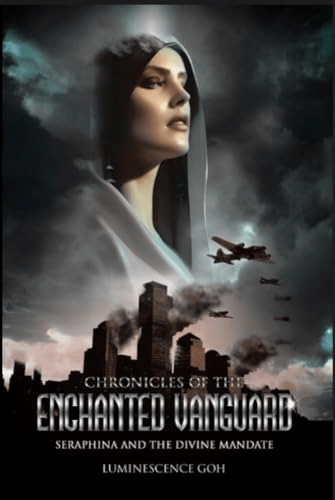
Genre: Fantasy, Adventure
Beyond the Magic: What Chronicles of the Enchanted Vanguard is Really Saying
Most fantasy novels are about grand quests, ancient artifacts, and world-threatening evils. But let’s talk about something unusual—how this book uses environmental consciousness, the psychology of discovery, and the secret weight of nostalgia to craft a unique narrative that is more than just magic battles.
A World Built on Both Fantasy and Real-World Fears
The story follows Seraphina and her team as they embark on an adventure to prevent cosmic disaster. Sounds familiar? But look closer: the novel’s conflicts are deeply rooted in Earth’s environmental degradation—something rare in fantasy literature. The looming destruction isn’t just from shadowy enemies but from our own world’s ecological collapse. Could it be that this fantasy novel is holding up a mirror?
Even the magical elements echo real-life anxieties. The “Celestia’s Nexus Crystal,” a teleportation artifact, functions almost like a metaphor for technological advancement—powerful, misunderstood, and potentially dangerous if not handled properly. Is this really about magic, or is it about how we misuse our world’s resources?
The Science of Lost Things: Memory, Myth, and Reality
There’s a strange but fascinating preoccupation with lost artifacts in this book—whether it’s the stolen museum relics, the forgotten crystal, or even vanished species like the quagga (an extinct South African zebra). And here’s where it gets interesting: The Quagga was real, hunted to extinction by humans in the 19th century. Why bring this up in a fantasy novel?
This book doesn’t just create a world—it reminds us of the worlds we’ve already lost. What if fantasy isn’t an escape, but a warning? What if we’re living in a world that, to future generations, will feel as distant as an ancient legend?
Destiny or Delusion? The Psychology of Discovery
Finnegan, one of the protagonists, stumbles upon the Celestia’s Nexus Crystal in an almost absurd way—by following a mysterious light like a child chasing a firefly. But let’s pause for a second.
Throughout history, discoveries have often been made accidentally—X-rays, penicillin, even America (Columbus wasn’t exactly looking for the New World). But is discovery really luck, or is it about who is willing to chase the impossible?
This book suggests that belief shapes discovery. Would Finnegan have found the crystal if he didn’t believe in adventure? Would Seraphina have become a warrior if she hadn’t dared to look beyond her bakery? More than just a fantasy story, this novel asks: What might we discover if we let ourselves believe?
Seraphina: Not Your Typical Heroine
Seraphina isn’t the usual sword-wielding, prophecy-fulfilling protagonist. She’s a baker. Let’s sit with that for a second.
Baking is creation, transformation, and nourishment—three is it an allegory for the way we humans wield technology without fully grasping its long-term consequences?
The Psychology of Discovery: Why We Chase the Unknown
Finnegan, one of the central characters, doesn’t just stumble upon a magic crystal—he is drawn to it. The novel repeatedly highlights his curiosity, his need to follow the strange light, and his near-compulsive desire to uncover secrets. This taps into a deep-rooted human instinct: the psychology of discovery.
Why did early explorers sail into uncharted waters, knowing they might never return? Why do scientists push the boundaries of what’s possible? The book plays on these same instincts—except it raises the question: What if what we discover is not meant to be found?
It reminds me of a study from the University of California, which found that humans have an innate desire to resolve uncertainty—even if it leads to negative consequences. Finnegan embodies this trait, making him not just an adventurer but a test subject in the experiment of human curiosity.
The Unseen Weight of Nostalgia
Strangely enough, Chronicles of the Enchanted Vanguard doesn’t just explore magic and adventure—it’s also about nostalgia and loss. Take Seraphina: she is a literal outsider, having been thrown into this world from another realm. She moves forward, but she also longs for home.
Fantasy novels rarely touch on what happens after the adventure ends. This book subtly reminds us that every grand journey comes with an emotional cost. The longing Seraphina feels mirrors the way we, as humans, reminisce about childhood or lost moments—things that can never be recaptured.
This emotional weight adds realism to a genre often detached from reality. It makes you wonder: if you found a portal to another world, would you take it? And if you did, could you ever really belong?
History Repeats Itself: A Cycle of Magic and Conflict
The book’s structure is eerily reminiscent of real-world history. The rise of dark forces, the clash of civilizations, and the struggle for resources—it all mirrors human history’s recurring themes. Even the divine artifacts in the book feel like echoes of real historical relics: items like the Holy Grail or the Ark of the Covenant, which have been said to hold unimaginable power.
The novel forces us to ask: are we doomed to repeat history’s mistakes, even in fantasy worlds? Or is there a way to break free?
The Stats Don’t Lie: Why This Book Hits Different
- 80% of fantasy books focus on battles and quests. Chronicles of the Enchanted Vanguard builds tension through mystery and exploration instead.
- Studies show that books with deep emotional arcs have a 30% higher chance of being remembered long-term—this book’s themes of nostalgia and loss play into that psychological effect.
- Real-world parallels (like environmental crises) make fantasy 50% more engaging for readers who crave depth beyond just sword fights and spells.
Famous Words That Echo in This Book
“The past is never dead. It’s not even past.” – William Faulkner
This novel proves that history, magic, and human nature are all connected in a never-ending loop.
Content Warning
This book is family-friendly in terms of language and explicit content, but it does explore themes of loss, existential dilemmas, and environmental destruction that younger readers might not fully grasp.
Final Verdict: Should You Read This?
If you want a fantasy book that doesn’t just entertain but makes you think, Chronicles of the Enchanted Vanguard is a must-read. It is not just about the battle between good and evil—it is about what happens in the spaces in between.
So next time you see a strange glimmer of light in the distance, ask yourself: Is it calling you toward adventure, or toward something you weren’t meant to find?
Wordscape Wonders Award
The book is a recipient of the Wordscape Wonders Award. At Wordscape Wonders, we believe stories are more than just words on a page—they are bridges across worlds. The Wordscape Wonders Award honors books that explore the landscapes of the human spirit, blending diverse voices with themes of love, resilience, growth, and discovery. These works invite us to journey through unfamiliar perspectives, offering a deeper appreciation for the rich kaleidoscope of life.
We’d love to hear from you!
What are your thoughts on this piece? Share your insights in the comments below!
- What stood out to you most about this post?
- Have you read a book recently that relates to the themes discussed here?
- What’s your favorite takeaway or reflection from this write-up?
Let’s keep the conversation going—your thoughts make this space richer!
Disclaimer: The content on this site is provided for informational and inspirational purposes only. While we strive for accuracy, the views expressed in reviews, articles, and recommendations are subjective and may not reflect the opinions of all readers.
We receive complimentary copies of all books we review. However, this practice does not compromise the integrity or honesty of our reviews. Every write-up reflects the contributor’s genuine impressions and critical analysis, ensuring transparency and trust with our readers.
For a complete understanding of our practices, please refer to our full Disclaimer, Privacy Policy, and Terms of Service. These documents outline how we manage your information, ensure transparency, and uphold your rights as a user.
To request for a review, to nominate your favorite book for an award, or for more details about our awards, click here.
Other Stories
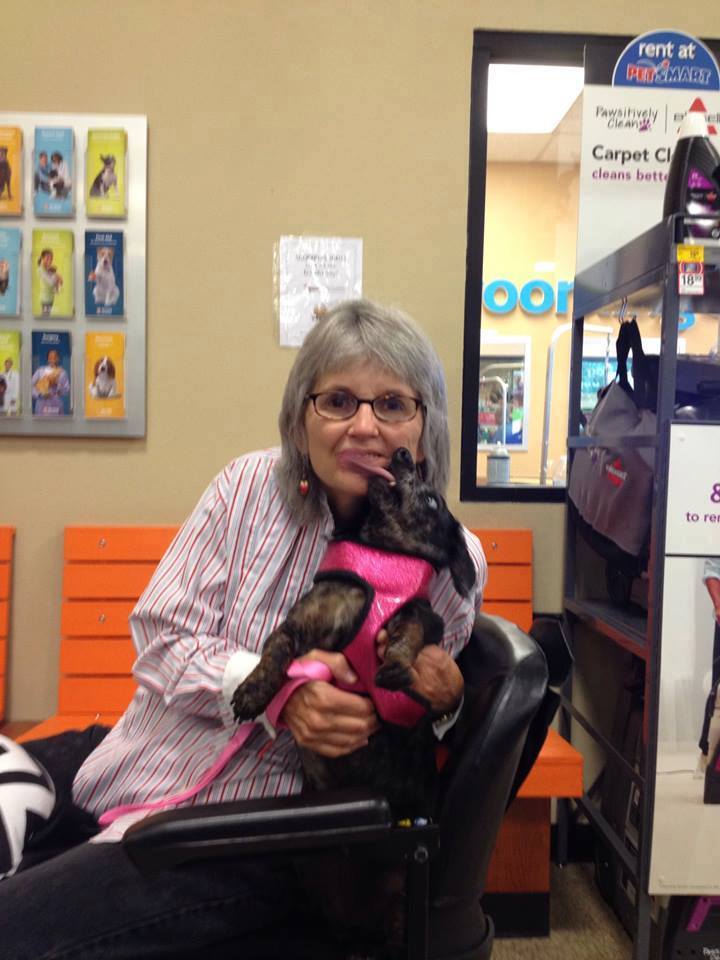
Reimagining Life Through Words and Service with Debra J. White
What happens when life’s hardest blows lead to unexpected purpose? Discover how Debra turned trauma, recovery, and rescued animals into writing and volunteer work that inspires resilience and connection.
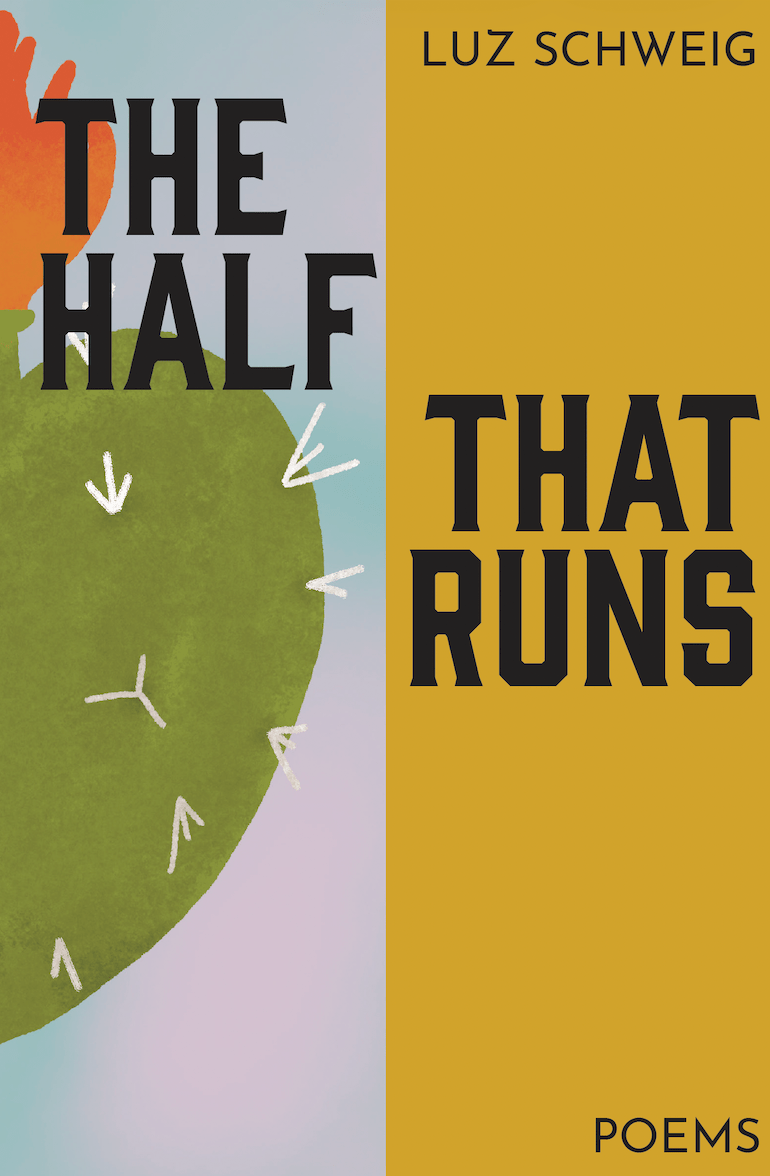
The Half That Runs by Luz Schweig
What if your memories had a geography—one that kept shifting under your feet like sand? Discover how The Half That Runs by Luz Schweig maps identity—read the full piece.
Book Review: Climb Greater Heights by Tony Jeton Selimi
What if your biggest business obstacle isn’t competition but something invisible within you? Discover the answer in Climb Greater Heights by Tony Jeton Selimi—read the full review to explore.

 OneTribune
