

If memories had weight, how much would yours weigh? Some might carry only the light dust of nostalgia—first loves, childhood games, birthday candles. Others, like Matthew Cooney’s, would be unbearable, filled with wounds that never truly healed. Greg Fields’s The Bright Freight of Memory gives us a character who isn’t just shaped by his past—he is carved by it, molded in the fire of a childhood where love was scarce, and survival was learned young.
Readers will follow Matthew from his early years in Washington, D.C., through adulthood, but to understand him fully, we must go beyond plot and into psychology. He is not simply a victim of circumstance, nor is he a hero. He is something far more real: a man trying to outrun the ghosts in his blood, only to find they were inside him all along.
The Science of Survival: How Childhood Shapes the Brain
Let’s start with a statistic: children who experience chronic abuse and neglect are three times more likely to develop post-traumatic stress disorder (PTSD) than war veterans. Think about that. A child who grows up in fear doesn’t just suffer emotionally; their brain physically changes. Studies show that prolonged exposure to trauma alters the amygdala (the brain’s fear center), making the world seem perpetually dangerous. The prefrontal cortex, responsible for decision-making, struggles to function properly.
Now, apply that to Matthew. He doesn’t just flinch when his father enters the room—he adapts, becoming smaller, quieter, less visible. He learns that pain comes without warning, that love has conditions, that the people meant to protect you sometimes hurt you the most. And when he grows up, those lessons don’t disappear. They harden into instinct.
Violence as a Language
Matthew doesn’t cry when he’s beaten. He doesn’t even scream. Why? Because he has already learned that weakness invites more pain. By the time he’s a teenager, his silence is his armor, and aggression becomes his dialect.
At first, his violence is subtle—stealing, manipulating, testing limits. But as he grows older, it turns outward. He lashes out, not because he enjoys it, but because it’s all he has ever known. This isn’t the calculated cruelty of a villain; it’s the learned response of someone who never had the luxury of gentleness.
Can we blame him? That’s the uncomfortable question Fields forces readers to confront. If a child is never shown kindness, how does he learn to give it? If love was never unconditional, how does he trust it?
The Legacy of Fathers and Ghosts
The sins of the father are often visited upon the son—not as a biblical prophecy, but as a social reality. Studies have shown that children who grow up in violent households are twice as likely to become violent themselves. Not because they are destined to, but because cycles of trauma are hard to break when they are all you know.
Matthew doesn’t just carry his own wounds; he carries the weight of generations before him. His great-grandfather fled famine-stricken Ireland. His grandfather survived by working himself to the bone, numbing his exhaustion with alcohol. His father, Jock, inherited that same self-destruction, but with fists instead of words. And Matthew? He is left with the burden of deciding whether to continue the cycle or to fight against the tide.
But breaking free isn’t easy. Sometimes, the past doesn’t let go.
A Character We Shouldn’t Understand, But Do
What makes Matthew Cooney such an unforgettable character isn’t that he’s particularly likable. It’s that he is recognizable. We’ve all met someone like him—the quiet one who doesn’t quite fit, the person who seems perpetually at odds with the world, the man who carries an edge of anger that feels both threatening and sad.
He is the boy who never got to be a boy. The man who never fully became a man. A character you don’t want to be, but by the end of the novel, you understand why he is who he is. And that understanding is more unsettling than any villain could ever be.
Final Verdict
The Bright Freight of Memory is more than a novel—it’s a psychological portrait of a man who was born into struggle and never had the privilege of escape. Fields doesn’t offer easy redemption or neat resolutions. Instead, he gives us a character who is deeply human, deeply flawed, and deeply, painfully real.
If you’re looking for a story that lingers long after the final page, this is it. But be warned: some weights are not easily put down.
Content Warning
This novel contains themes of domestic abuse, alcoholism, violence, and generational trauma. While these elements are essential to the story, they may be distressing for some readers.
Book World Front Award

This book is a winner of the Book World Front Award, an accolade that celebrates extraordinary literature from around the globe. It honors stories that bring universal themes to life and resonate across cultures. Aligned with our mission to explore the world through words, this award spotlights voices that inspire, connect, and showcase the power of global storytelling—where every story takes center stage.
We’d love to hear from you!
What are your thoughts on this piece? Share your insights in the comments below!
- What stood out to you most about this post?
- Have you read a book recently that relates to the themes discussed here?
- What’s your favorite takeaway or reflection from this write-up?
Let’s keep the conversation going—your thoughts make this space richer!
Disclaimer: The content on this site is provided for informational and inspirational purposes only. While we strive for accuracy, the views expressed in reviews, articles, and recommendations are subjective and may not reflect the opinions of all readers.
We receive complimentary copies of all books we review. However, this practice does not compromise the integrity or honesty of our reviews. Every write-up reflects the contributor’s genuine impressions and critical analysis, ensuring transparency and trust with our readers.
For a complete understanding of our practices, please refer to our full Disclaimer, Privacy Policy, and Terms of Service. These documents outline how we manage your information, ensure transparency, and uphold your rights as a user.
To request for a review, to nominate your favorite book for an award, or for more details about our awards, click here.
Other Stories
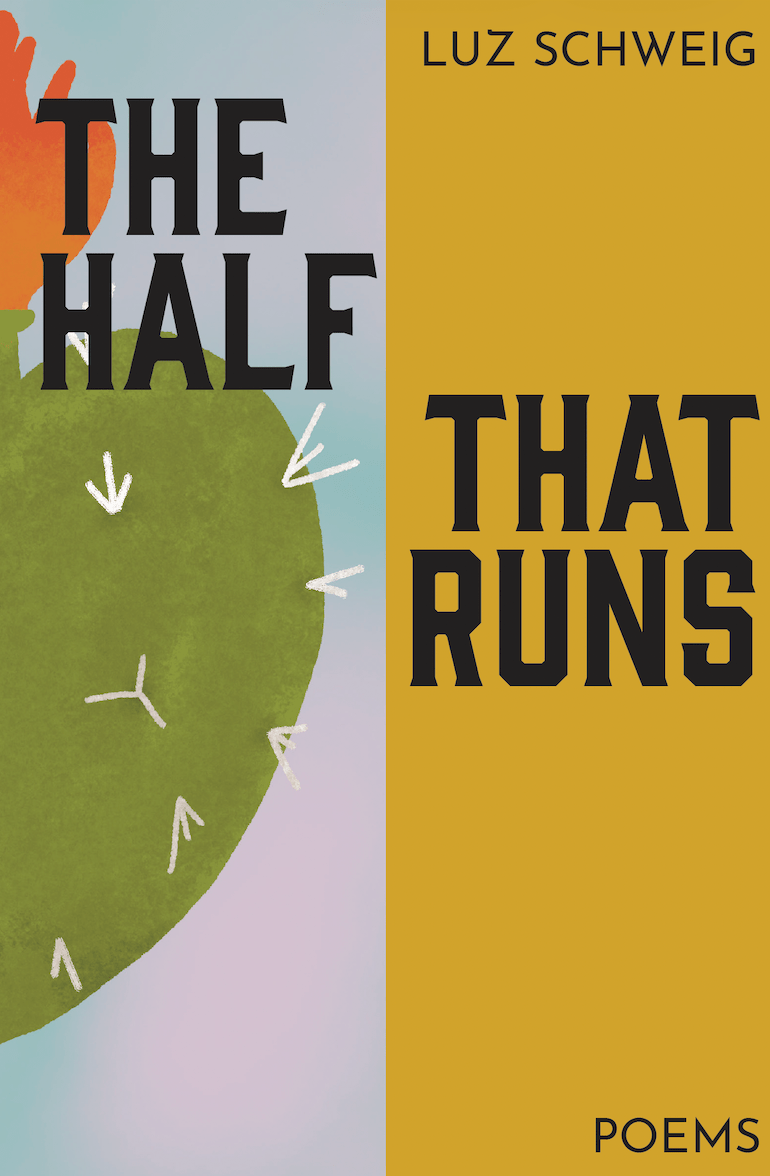
The Half That Runs by Luz Schweig
What if your memories had a geography—one that kept shifting under your feet like sand? Discover how The Half That Runs by Luz Schweig maps identity—read the full piece.
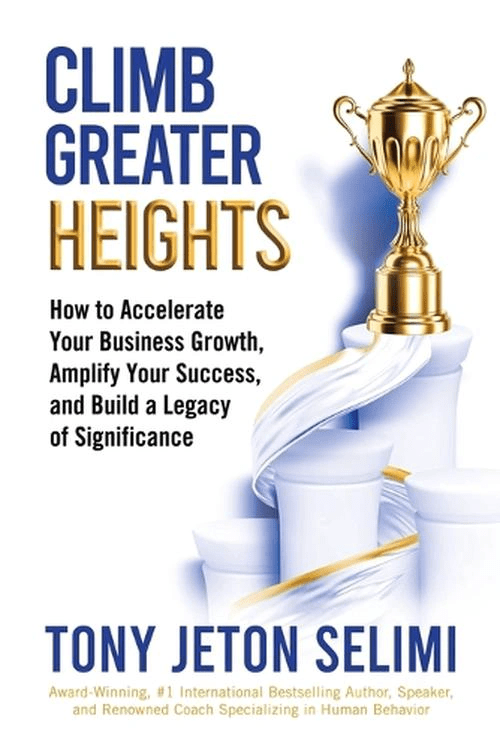
Book Review: Climb Greater Heights by Tony Jeton Selimi
What if your biggest business obstacle isn’t competition but something invisible within you? Discover the answer in Climb Greater Heights by Tony Jeton Selimi—read the full review to explore.
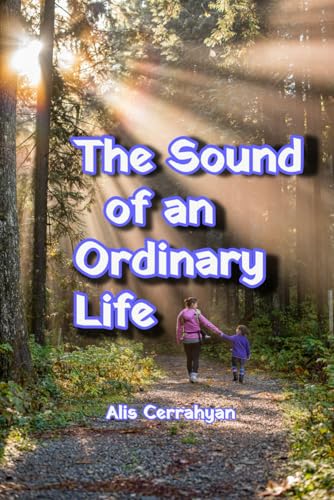
Review of The Sound of an Ordinary Life by Alis Cerrahyan
There are many ways to tell the story of a life. Some choose grand narratives, sweeping arcs of triumph and tragedy. Others, like The Sound of an Ordinary Life, find meaning in the quiet spaces, the moments that seem small but carry the entire weight of a person’s existence.

 OneTribune
