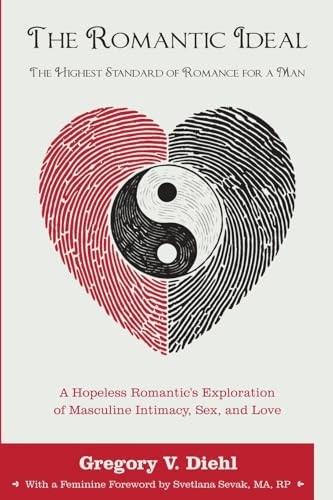
Amazon Link: https://www.amazon.com.au/Romantic-Ideal-Highest-Standard-Romance-ebook/dp/B0DL3WLZR2
Rewriting Romance: A Treatise on Masculinity, Femininity, and Cosmic Duality
Most readers of The Romantic Ideal might approach it as a self-help guide or a manifesto on modern relationships. But Diehl’s work is far more ambitious—it’s a philosophical excavation of love, identity, and the eternal dance between masculine and feminine energies. For those willing to probe beneath its surface, the book doubles as a cultural critique and an existential inquiry into what it means to be whole.
Let’s look at the facets most readers will overlook: its mythological underpinnings, sociological commentary, and provocative philosophical questions.
Romanticism or Cosmic Engineering?
Diehl’s framework for romance transcends mere personal compatibility; it mirrors the ancient Taoist concept of yin and yang—a cosmic interplay where opposites achieve balance. Masculinity and femininity are not just traits but essential forces of nature, each incomplete without the other. This echoes Carl Jung’s anima and animus, which Diehl invokes as archetypal complements essential to psychological wholeness.
Could romance, then, be humanity’s attempt to replicate universal harmony? If so, Diehl’s argument places romantic relationships at the core of human purpose—a radical departure from the modern emphasis on independence and self-sufficiency.
Anecdotes as Archetypes
Diehl’s personal stories—about heartbreak, growth, and idealism—function less as memoir and more as modern myths. His exploration of Otto from A Man Called Otto and Will from Me Before You highlights how masculine identity often hinges on feminine influence. Otto’s suicidal despair and Will’s detachment from life’s joys reflect a broader truth: men, Diehl suggests, thrive on external validation not for superficial reasons, but as a bridge to experiencing beauty and meaning.
This isn’t new. Consider Shakespeare’s Romeo and Juliet: Romeo’s poetic idealism is catalyzed by Juliet’s presence. Without her, he is adrift. Diehl situates these timeless dynamics in a contemporary context, making his analysis both relatable and profound.
The Numbers Game: Sociology Meets Romance
Diehl posits that many modern relationships fail because they are transactional rather than transformational. Data corroborates his view: according to a 2022 Pew Research Center study, 47% of Americans believe modern dating is harder than a decade ago, citing emotional unavailability as a key factor. Diehl’s concept of “performative romance,” where gestures replace genuine connection, aligns with these findings.
In an age of dating apps, have we reduced soulmates to algorithms? Diehl challenges readers to reconsider what they seek: a partner to fill a void or a complementary force that amplifies their essence.
Provocations Worth Pondering
Diehl’s bold assertions invite debate. For instance:
- Can we blame societal cynicism for declining marriage rates, or are people finally rejecting unhealthy dependency?
- Is the pursuit of a soulmate inherently selfish, a quest to complete oneself through another?
- If masculinity thrives on purpose and femininity on connection, are we sabotaging relationships by ignoring these core differences?
A Quote to Anchor the Universe
Diehl frequently returns to this Chekhovian insight: “Being in love shows a person who he should be.” But does this absolve individuals from becoming whole on their own? Diehl’s nuanced argument suggests no. Wholeness requires both self-realization and external connection—a paradox that makes romantic love simultaneously exhilarating and excruciating.
Final Thoughts: A Romantic or a Realist?
The Romantic Ideal is not for the faint of heart. It demands readers confront their assumptions about love, gender, and identity. Diehl’s prose is incisive, his anecdotes poignant, and his conclusions polarizing. Yet, his work resonates because it dares to ask: What is love if not the ultimate journey toward self-actualization, guided by the light of another?
If you’re ready to question not just how you love but why, Diehl’s book will challenge you like few others can.
Atlas of Stories Award
This book is a recipient of the Atlas of Stories Award, an accolade that celebrates works mapping the literary world with creativity and depth. Aligned with our mission of “Mapping the World Through Books,” this award honors stories that inspire, educate, and entertain while transcending cultural and imaginative borders. These remarkable narratives explore universal themes, fostering connection and understanding as they take readers on a journey through the richness of global storytelling.
We’d love to hear from you!
What are your thoughts on this piece? Share your insights in the comments below!
- What stood out to you most about this post?
- Have you read a book recently that relates to the themes discussed here?
- What’s your favorite takeaway or reflection from this write-up?
Let’s keep the conversation going—your thoughts make this space richer!
Disclaimer: The content on this site is provided for informational and inspirational purposes only. While we strive for accuracy, the views expressed in reviews, articles, and recommendations are subjective and may not reflect the opinions of all readers.
We receive complimentary copies of all books we review. However, this practice does not compromise the integrity or honesty of our reviews. Every write-up reflects the contributor’s genuine impressions and critical analysis, ensuring transparency and trust with our readers.
For a complete understanding of our practices, please refer to our full Disclaimer, Privacy Policy, and Terms of Service. These documents outline how we manage your information, ensure transparency, and uphold your rights as a user.
To request for a review, to nominate your favorite book for an award, or for more details about our awards, click here.
Other Stories

Reimagining Life Through Words and Service with Debra J. White
What happens when life’s hardest blows lead to unexpected purpose? Discover how Debra turned trauma, recovery, and rescued animals into writing and volunteer work that inspires resilience and connection.
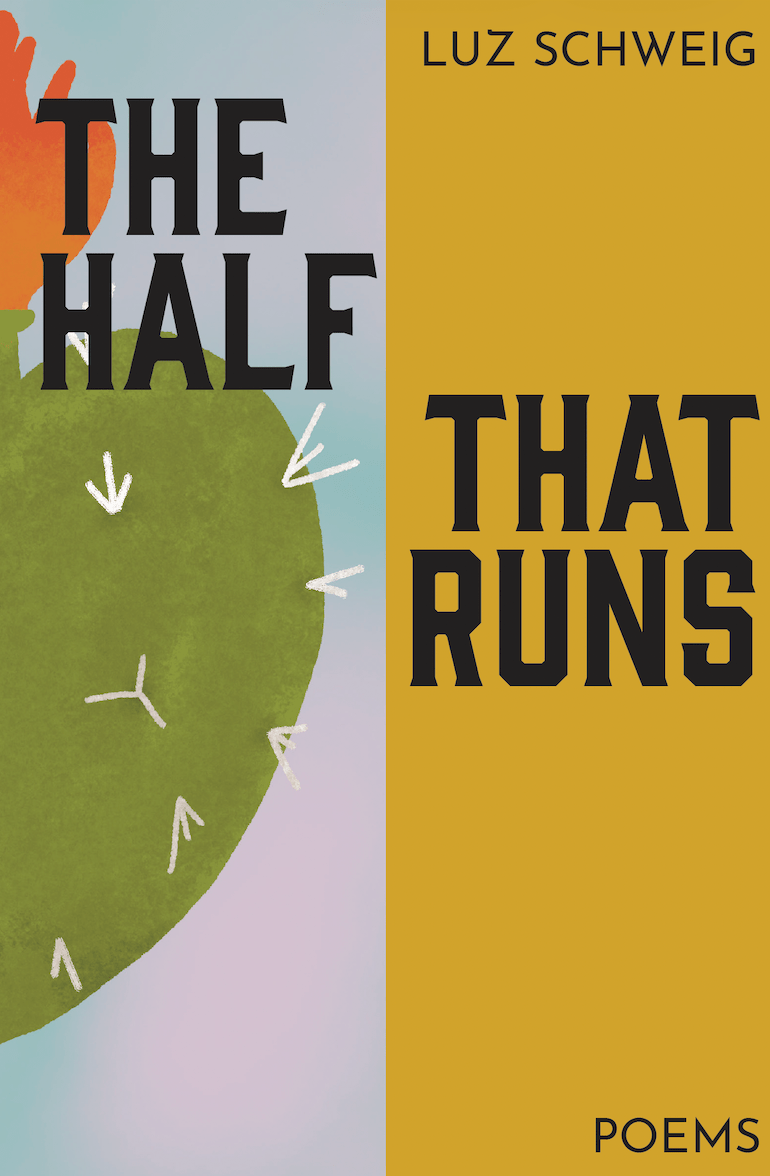
The Half That Runs by Luz Schweig
What if your memories had a geography—one that kept shifting under your feet like sand? Discover how The Half That Runs by Luz Schweig maps identity—read the full piece.
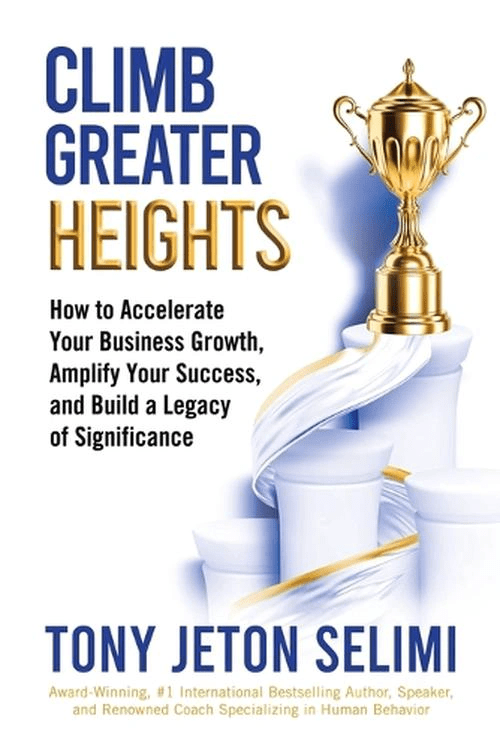
Book Review: Climb Greater Heights by Tony Jeton Selimi
What if your biggest business obstacle isn’t competition but something invisible within you? Discover the answer in Climb Greater Heights by Tony Jeton Selimi—read the full review to explore.

 OneTribune