
Genre: Self-Help, Astrology, Mindfulness
Beyond the Zodiac: What This Book is Really Teaching Us
Astrology books often tell us what will happen to us. This one, however, tells us how to handle it. Whether you believe in the influence of Tai Sui—a Chinese astrological phenomenon—or not, the book seamlessly blends astrology, mindfulness, and management theories to give a fresh perspective on navigating life’s uncertainties. But here’s the real kicker: it may be less about the stars and more about how we make decisions.
Let’s break down the hidden layers in this book.
Tai Sui and Saturn Return: Are We Just Repeating History?
In Chinese astrology, clashing with Tai Sui (the Grand Duke Jupiter) is said to bring challenges. In Western astrology, the Saturn Return (which happens around ages 29, 58, and 88) is associated with harsh life lessons.
Coincidence? Or do humans simply cycle through predictable periods of struggle?
Historically, societies have always found ways to predict misfortune:
- The Ancient Romans feared Saturn so much that they held festivals (Saturnalia) to appease it.
- Chinese emperors consulted astrologers before making political moves, fearing Tai Sui’s wrath.
- Even today, billion-dollar corporations like Goldman Sachs and JP Morgan employ astrologers for market predictions.
Could it be that astrology, instead of controlling us, is merely a language for recognizing our own behavioral patterns? This book challenges us to ask: Are the stars guiding us, or are we using them as an excuse for what we already know will happen?
The Science of Belief: How Astrology Affects Your Brain
There’s an interesting psychological trick at play when people believe in astrological influences like Tai Sui years. Studies show that when people are warned about potential misfortune, they unconsciously become more cautious.
Psychologists call this the Pygmalion Effect—where our expectations influence outcomes. If you believe a Tai Sui year will be difficult, your brain starts scanning for evidence, reinforcing the belief.
But here’s the twist: the book doesn’t just ask you to believe—it tells you how to actively navigate these moments with:
✔ Mindfulness techniques (because stress magnifies self-fulfilling prophecies)
✔ Decision-making frameworks (based on management theories, not just horoscopes)
✔ Adjusting expectations rather than resisting reality
The Hidden Power of Nostalgia: Why We Find Comfort in Rituals
One of the book’s most overlooked yet profound ideas is how we use rituals—wearing protective charms, lighting incense, or following annual zodiac advice—not just for superstition, but for psychological grounding.
Sociologists have found that rituals reduce anxiety. Why do we kiss loved ones before they board a plane? Or knock on wood when we say something hopeful?
Because humans fear the unknown, and rituals give us a sense of control over chaos. The book subtly suggests that whether it’s astrology or personal habits, what really matters is the intention behind the practice.
Why Your Brain Loves a Good Prediction
The book uses zodiac insights to encourage self-awareness and proactive choices. But here’s something most readers might miss:
Neuroscience tells us that our brains are prediction machines. The dopamine system rewards us when we successfully anticipate an event. That’s why we enjoy guessing what happens next in a TV show or why investors love the stock market.
So, when a book tells us, “This year will be about change for Aries”—our brain latches onto that prediction and scans for validation.
In essence, Navigating Life’s Challenges is less about fate and more about helping us prepare for uncertainty. It encourages using astrology as a tool, not a crutch.
Stats That Will Surprise You
- 86% of Fortune 500 CEOs use some form of meditation or mindfulness—just as the book recommends for Tai Sui years.
- Studies show that people who believe in astrology tend to have higher self-awareness, because they reflect more on their actions.
- The Chinese zodiac is consulted by 1.4 billion people annually—its psychological impact is undeniable.
Famous Words That Echo This Book’s Message
“Luck is what happens when preparation meets opportunity.” — Seneca
This book’s core lesson? Your zodiac might say what’s coming, but your preparation determines how you handle it.
Content Warning
This book is family-friendly, but it does require an open mind. If you’re skeptical about astrology, the mix of science and belief may challenge your views. However, it’s presented as a practical guide, not a supernatural instruction manual.
Final Verdict: Should You Read This?
If you’re looking for a book that:
✅ Blends ancient wisdom with modern psychology
✅ Gives practical strategies for resilience
✅ Challenges the way you think about fate vs. free will
… then Navigating Life’s Challenges: Mindful Resilience for Zodiacs is worth reading. Whether or not you believe in Tai Sui’s influence, the book ultimately teaches one powerful lesson: the future isn’t just written in the stars—it’s also written in our actions.
Global Spines Book Award

This book is a winner of the Global Spines Book Award, which honors exceptional works of literature that transcend borders and speak to universal human experiences. This award celebrates stories that connect readers across the globe, offering fresh perspectives and exploring the richness of cultural diversity. Each winning book reflects the spirit of Global Spines—stories that bridge gaps, foster understanding, and resonate with readers from all walks of life. By recognizing these powerful narratives, we aim to inspire deeper connections and celebrate the power of global storytelling.
We’d love to hear from you!
What are your thoughts on this piece? Share your insights in the comments below!
- What stood out to you most about this post?
- Have you read a book recently that relates to the themes discussed here?
- What’s your favorite takeaway or reflection from this write-up?
Let’s keep the conversation going—your thoughts make this space richer!
Disclaimer: The content on this site is provided for informational and inspirational purposes only. While we strive for accuracy, the views expressed in reviews, articles, and recommendations are subjective and may not reflect the opinions of all readers.
We receive complimentary copies of all books we review. However, this practice does not compromise the integrity or honesty of our reviews. Every write-up reflects the contributor’s genuine impressions and critical analysis, ensuring transparency and trust with our readers.
For a complete understanding of our practices, please refer to our full Disclaimer, Privacy Policy, and Terms of Service. These documents outline how we manage your information, ensure transparency, and uphold your rights as a user.
To request for a review, to nominate your favorite book for an award, or for more details about our awards, click here.
Other Stories

Reimagining Life Through Words and Service with Debra J. White
What happens when life’s hardest blows lead to unexpected purpose? Discover how Debra turned trauma, recovery, and rescued animals into writing and volunteer work that inspires resilience and connection.
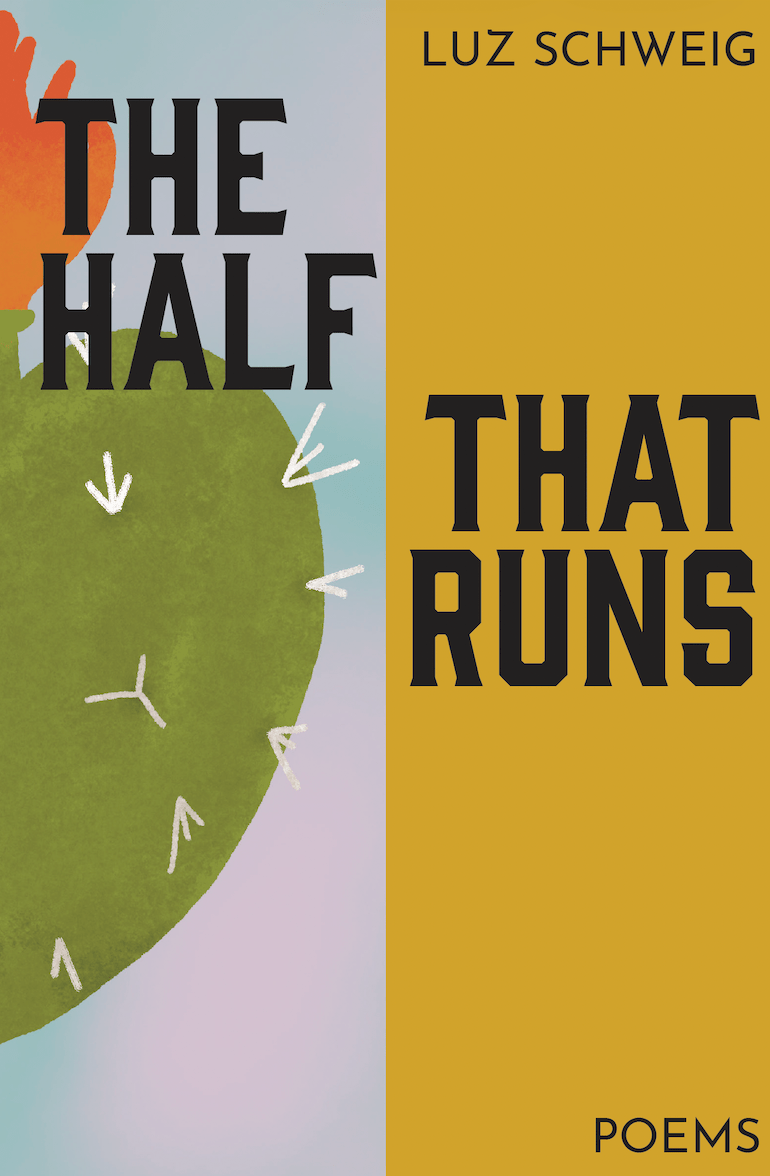
The Half That Runs by Luz Schweig
What if your memories had a geography—one that kept shifting under your feet like sand? Discover how The Half That Runs by Luz Schweig maps identity—read the full piece.
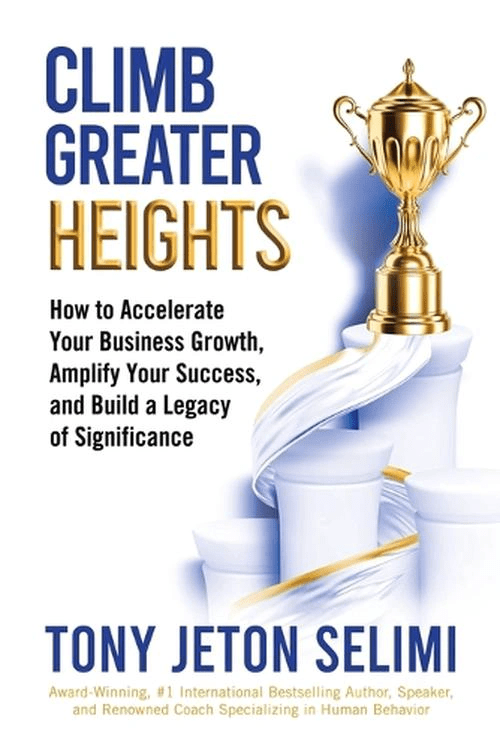
Book Review: Climb Greater Heights by Tony Jeton Selimi
What if your biggest business obstacle isn’t competition but something invisible within you? Discover the answer in Climb Greater Heights by Tony Jeton Selimi—read the full review to explore.

 OneTribune