
Once upon a time, someone told you to “stay in your lane.” Maybe you were five. Maybe fifty. Maybe you listened. But in Metrognome, a determined little character named Cora hears that same message—“Gnomes don’t go anywhere”—and smiles politely while plotting her exit.
This book is a quiet celebration of what happens when we question the rules we never agreed to. It’s not rebellious in the loud, slam-the-door way. It’s rebellious in the “what if I just… tried?” kind of way. And for young readers who are learning how to think for themselves, that’s a spark worth lighting.
A City, a Song, a Second Chance
The heart of this story isn’t just about chasing dreams—it’s about expanding the definition of what’s possible. Cora doesn’t run away in defiance. She walks away in search. That’s a big difference, and kids will feel it.
She arrives in a place that hums with possibilities. There’s music in the air, inventions in progress, and characters who listen instead of lecture. It’s a version of the world where questions aren’t punished—they’re welcomed.
And in that world, a simple act—selling apples—becomes the first note in a symphony of self-discovery.
Gentle Humor, Lasting Impact
This book is funny in the way that a wink is funny—not loud, but clever. The wordplay in the title (“metrognome,” a metronome invented by a gnome in a metro) is the kind of joke that grows on you. Young readers might giggle without fully understanding it, and older ones will appreciate the layers.
The storytelling has a rhythm of its own, echoing the beat-keeping device at its core. Short sentences, subtle repetition, and satisfying turns of phrase make it an ideal read-aloud. It respects the intelligence of children without ever talking down to them.
A Book that Listens to Its Reader
There’s an unspoken contract between some books and their audience: “You be quiet, and I’ll talk.” Metrognome breaks that. It invites dialogue—between child and adult, teacher and student, or even just between the reader and themselves.
What makes someone different? What if my talent isn’t loud or flashy? Can invention and art come from someone like me? These are the kinds of questions the book gently raises, not to answer them, but to honor them.
Who Will Love This Book (And Who Might Not)
Kids who like cozy, clever stories will feel seen here. It’s especially good for curious children, budding musicians, or anyone who’s ever felt “stuck” in the expectations of others. If your child is the kind who builds things out of cardboard or hums tunes under their breath, this is their story.
Readers looking for fast-paced fantasy or wild escapades may not connect with the book’s reflective, character-driven pace. But for those who enjoy books that make them think as much as dream, it’s gold.
The Takeaway: Listen to the Little Beat Inside
We often teach children to sit still, follow instructions, and wait for permission. Metrognome is a gentle nudge in the opposite direction. It reminds us that sometimes, the world changes not because someone shouted—but because someone listened, and then did something no one expected.
Jana Cruz has written more than a children’s book. She’s offered a rhythm to grow by. And in doing so, she’s created a story that will keep playing in young minds long after the last page turns.
Because sometimes the bravest thing you can do… is ask a question and follow where it leads.
Global Spines Book Award

This book is a winner of the Global Spines Book Award, which honors exceptional works of literature that transcend borders and speak to universal human experiences. This award celebrates stories that connect readers across the globe, offering fresh perspectives and exploring the richness of cultural diversity. Each winning book reflects the spirit of Global Spines—stories that bridge gaps, foster understanding, and resonate with readers from all walks of life. By recognizing these powerful narratives, we aim to inspire deeper connections and celebrate the power of global storytelling.
We’d love to hear from you!
What are your thoughts on this piece? Share your insights in the comments below!
- What stood out to you most about this post?
- Have you read a book recently that relates to the themes discussed here?
- What’s your favorite takeaway or reflection from this write-up?
Let’s keep the conversation going—your thoughts make this space richer!
Disclaimer: The content on this site is provided for informational and inspirational purposes only. While we strive for accuracy, the views expressed in reviews, articles, and recommendations are subjective and may not reflect the opinions of all readers.
We receive complimentary copies of all books we review. However, this practice does not compromise the integrity or honesty of our reviews. Every write-up reflects the contributor’s genuine impressions and critical analysis, ensuring transparency and trust with our readers.
For a complete understanding of our practices, please refer to our full Disclaimer, Privacy Policy, and Terms of Service. These documents outline how we manage your information, ensure transparency, and uphold your rights as a user.
To request for a review, to nominate your favorite book for an award, or for more details about our awards, click here.
Other Stories
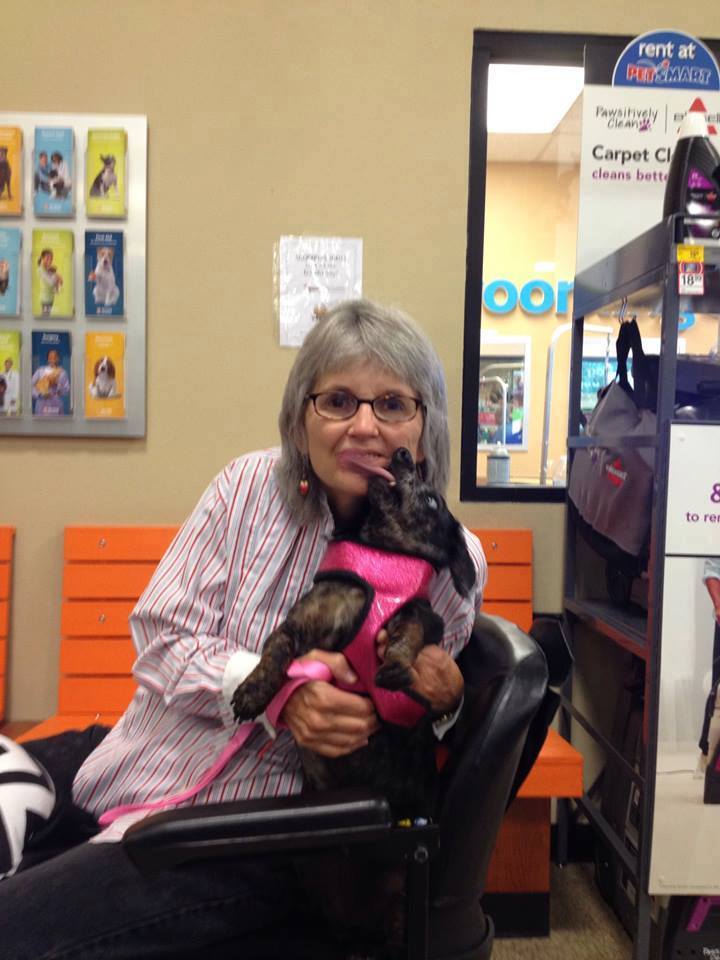
Reimagining Life Through Words and Service with Debra J. White
What happens when life’s hardest blows lead to unexpected purpose? Discover how Debra turned trauma, recovery, and rescued animals into writing and volunteer work that inspires resilience and connection.
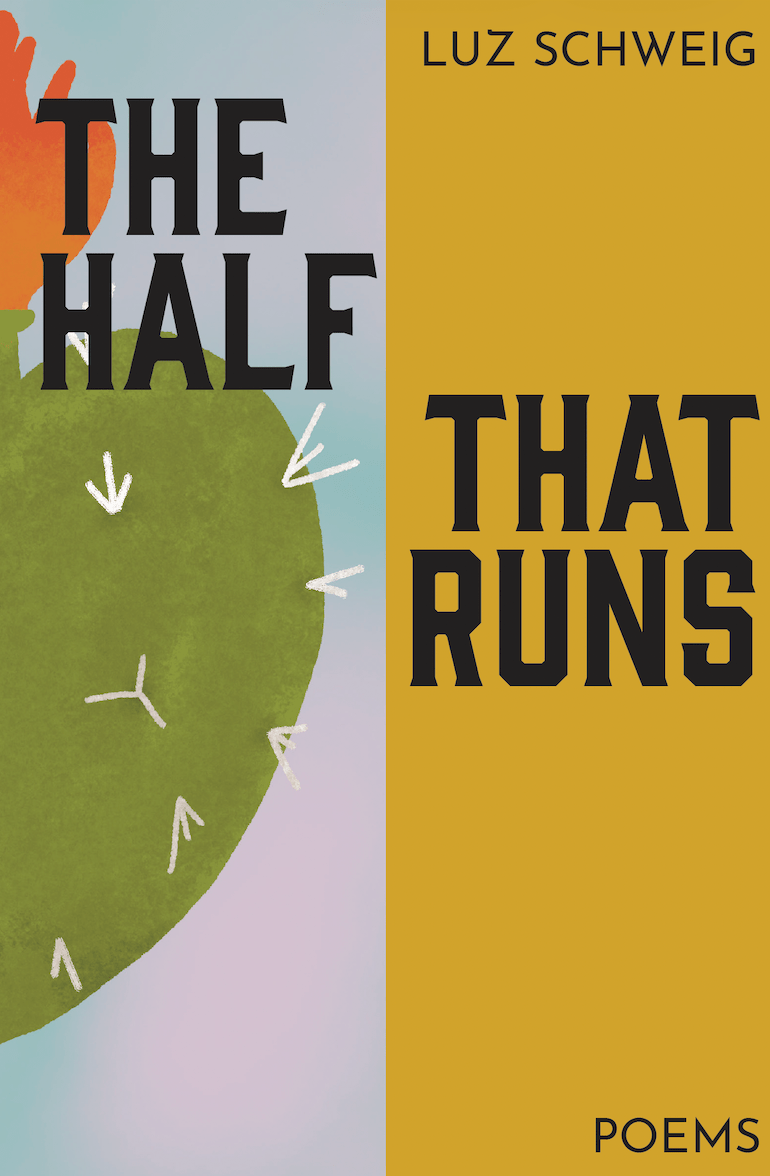
The Half That Runs by Luz Schweig
What if your memories had a geography—one that kept shifting under your feet like sand? Discover how The Half That Runs by Luz Schweig maps identity—read the full piece.
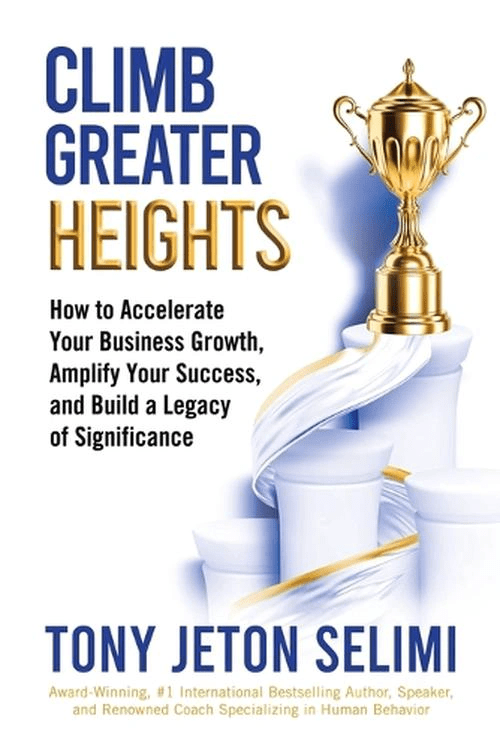
Book Review: Climb Greater Heights by Tony Jeton Selimi
What if your biggest business obstacle isn’t competition but something invisible within you? Discover the answer in Climb Greater Heights by Tony Jeton Selimi—read the full review to explore.

 OneTribune