
Content Warning: This review looks into themes of childhood trauma, physical injuries, emotional recovery, and family dynamics. The book addresses these topics with sensitivity, making it suitable for older children and families, but the emotional depth may resonate most with readers who have experienced or witnessed similar challenges.
Mapping Scars: A Journey Through Healing, Identity, and Connection
What do modern psychotherapy, ancient body art, and family bonds have in common? Isabela Sardas’s Belle and Chloe: Reflections in the Mirror answers this question through a story that transforms personal tragedy into a universal tale of resilience. The book, though designed for children, operates on multiple levels, weaving cultural, historical, and psychological threads into an intricate map of healing.
The Scars of History: Marks as Memory
Belle’s scars, caused by a kitchen accident, serve as the central metaphor of the book, but they are more than just physical reminders of trauma. Across cultures and history, scars have symbolized resilience, survival, and transformation. In the indigenous cultures of Papua New Guinea, for instance, scarification ceremonies mark the transition into adulthood, embedding a narrative of strength into the body itself. Similarly, Belle’s scars become more than mere wounds; they evolve into stories—stories of survival, family, and ultimately self-acceptance.
Chloe’s decision to replicate Belle’s scars with henna art is more than an act of solidarity. Henna, deeply rooted in traditions from India to North Africa, has historically been used to celebrate milestones, invoke blessings, and beautify the body. Chloe’s gesture mirrors the ancient practice of reframing physical marks into symbols of beauty and strength. Sardas skillfully incorporates this cultural resonance, subtly reminding us that the scars we bear can be transformed into something meaningful.
Therapy as the New Ritual: A Contemporary Rite of Passage
Sardas’s portrayal of therapy as a cornerstone of Belle’s recovery bridges the past and present. While ancient communities often relied on rituals and communal support to help individuals process trauma, Belle’s journey highlights the role of modern psychological practices in fostering healing. In many ways, her therapy sessions function as a rite of passage, enabling her to move from a place of pain and isolation to one of acceptance and self-awareness.
Through the detailed depictions of Belle’s conversations with her therapist, Sardas normalizes emotional vulnerability. Did you know that according to the American Psychological Association, 60-75% of children with trauma benefit significantly from therapy? By including these scenes, the book quietly champions the importance of mental health care for children and families worldwide.
Families as Communities: A Microcosm of Cultural Support
In Belle and Chloe, the family becomes a microcosm of community, reflecting how cultural values of interdependence play out in modern settings. Belle’s mother’s guilt, her father’s quiet dedication, and Chloe’s evolving role as both sibling and emotional anchor mirror the collective effort often seen in traditional extended families. Across centuries, cultures have emphasized communal responsibility during times of hardship—be it the kinship networks in African societies or the mānaakitanga (hospitality and care) of Māori communities.
Sardas modernizes this age-old principle, showing that healing is rarely an individual effort. Belle’s recovery becomes a family endeavor, with each member navigating their own journey while contributing to hers. This nuanced portrayal invites readers to reflect: How do our closest relationships shape the way we endure and overcome challenges?
Mirror Reflections: The Universal Search for Identity
The title Reflections in the Mirror suggests more than just Belle’s struggle with her scars; it delves into the question of identity itself. Throughout history, mirrors have been symbols of truth, self-awareness, and transformation. For Belle, the mirror becomes a battleground where her old and new selves collide. When she asks, “Who am I now?” after seeing her altered reflection, she echoes a universal question: How do we define ourselves when our appearance—or circumstances—change?
This tension recalls myths like Narcissus’s tragic obsession with his reflection or Snow White’s queen demanding validation from her enchanted mirror. Belle’s journey, however, rewrites the narrative: the mirror becomes not a source of despair but a tool for growth, much like the “reflective practices” found in various spiritual traditions worldwide.
The Geography of Hope: Mapping a Way Forward
The swing set, a recurring motif in the book, represents more than childhood innocence. It becomes a liminal space—suspended between past and future—where Belle and Chloe rediscover their bond. Sardas uses this ordinary object to symbolize resilience and renewal. Much like a compass guiding lost travelers, the swing set grounds Belle in the present while pointing her toward a hopeful future.
A Universal Narrative with Global Roots
At first glance, Belle and Chloe may seem like a deeply personal story of one family’s journey through adversity. But Sardas’s skillful weaving of cultural and historical elements elevates it into something more profound. From the ancient traditions of scarification and henna to the modern therapeutic tools of recovery, the book traverses continents and centuries, showing that the path to healing is as old as humanity itself.
The story reminds us of the words of Maya Angelou: “We delight in the beauty of the butterfly, but rarely admit the changes it has gone through to achieve that beauty.” Belle’s scars, Chloe’s empathy, and their family’s unity transform a painful accident into a beautiful testament to the human spirit.
Conclusion: Charting New Narratives
In Atlas of Stories, we celebrate books that map universal themes and cross-cultural connections, and Belle and Chloe: Reflections in the Mirror does precisely that. Sardas bridges the deeply personal with the timeless and the local with the global. For readers young and old, this is not just a story about recovery—it is a masterful exploration of how we transform pain into strength, isolation into connection, and scars into stories.
What do ancient rituals of healing and modern therapy have in common? Sardas shows us that both begin with a shared truth: we are not defined by what happens to us, but by how we choose to respond.
Atlas of Stories Award

This book is a recipient of the Atlas of Stories Award, an accolade that celebrates works mapping the literary world with creativity and depth. Aligned with our mission of “Mapping the World Through Books,” this award honors stories that inspire, educate, and entertain while transcending cultural and imaginative borders. These remarkable narratives explore universal themes, fostering connection and understanding as they take readers on a journey through the richness of global storytelling.
We’d love to hear from you!
What are your thoughts on this piece? Share your insights in the comments below!
- What stood out to you most about this post?
- Have you read a book recently that relates to the themes discussed here?
- What’s your favorite takeaway or reflection from this write-up?
Let’s keep the conversation going—your thoughts make this space richer!
Disclaimer: The content on this site is provided for informational and inspirational purposes only. While we strive for accuracy, the views expressed in reviews, articles, and recommendations are subjective and may not reflect the opinions of all readers.
We receive complimentary copies of all books we review. However, this practice does not compromise the integrity or honesty of our reviews. Every write-up reflects the contributor’s genuine impressions and critical analysis, ensuring transparency and trust with our readers.
For a complete understanding of our practices, please refer to our full Disclaimer, Privacy Policy, and Terms of Service. These documents outline how we manage your information, ensure transparency, and uphold your rights as a user.
To request for a review, to nominate your favorite book for an award, or for more details about our awards, click here.
Other Stories
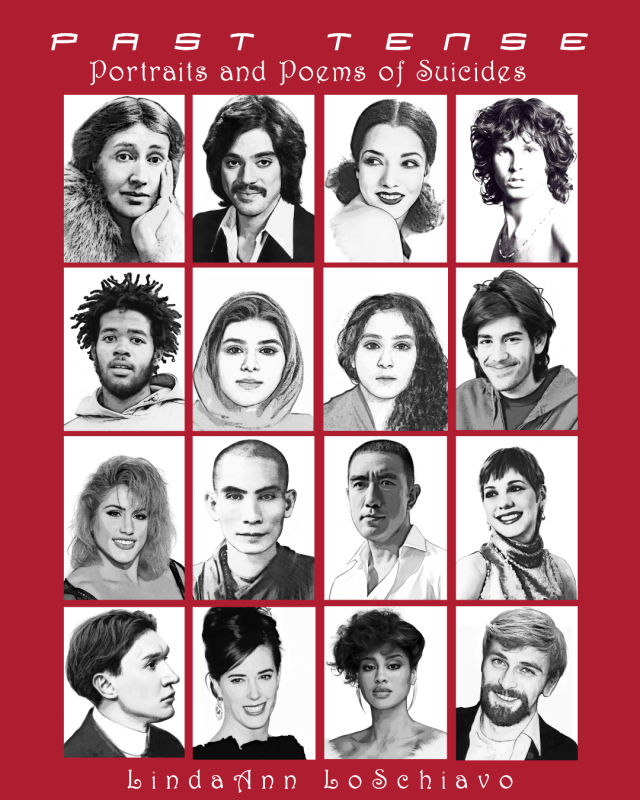
Past Tense by LindaAnn LoSchiavo
Can twenty-three different poetic forms make silence speak without pretending to know everything? Past Tense by LindaAnn LoSchiavo invites readers to investigate through poetry together.

Rajat Chohda: Exploring Conscious Living Through Reflection and Everyday Practice
Can a question about an ordinary family conversation change how you define success? Rajat Chohda explores this journey through his experiences, ideas, and writing; read the full interview to discover.

Turning by Wayne Feinstein
What if the loudest room you’ve ever entered was your own memory? Discover how Turning by Wayne Feinstein explores that unexpected question in our full review.