
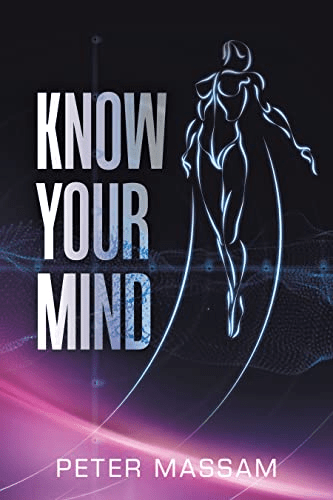
Most books about the mind focus on one of two things: either they dissect it with cold, clinical psychology, or they go fully mystical, losing themselves in abstract theories about consciousness. Peter Massam does something different. He stays grounded in real-life experiences while challenging readers to question everything they think they know about their own thoughts. Know Your Mind isn’t about motivational slogans or scientific jargon—it’s about paying attention to what we experience every day and realizing that maybe, just maybe, we’ve been underestimating what our minds can do.
Through a series of personal stories, Massam explores how thought influences reality in ways we rarely acknowledge. He describes learning how to block out pain using only his mind, successfully breaking a wooden board with his bare hand without prior training, and waking up at eerily precise times during the night as if his body clock was responding to something beyond his conscious control. At first, these seem like isolated incidents—quirky, interesting, but perhaps explainable by coincidence. But as the book progresses, patterns emerge. What if the mind is constantly shaping our reality in ways we fail to notice? What if we’re already using its hidden powers but just not paying attention?
One of the book’s most intriguing discussions revolves around how we interact with time. Most of us experience time as something fixed—we wake up tired when we change time zones, we feel it drag when we’re bored, and we rush through life assuming there’s never enough of it. Massam, however, experiments with shifting his perception. Instead of succumbing to jet lag, he simply decides to “reset” his body clock, and to his surprise, it works. Instead of struggling with long waits or sleepless nights, he learns how to “tell” his body what time it is and feels it respond. Whether or not readers believe this is possible, it’s hard not to at least wonder: how much of what we experience as exhaustion, stress, or time pressure is real, and how much of it is just habit?
Beyond the self, Know Your Mind also ventures into the ways we connect with others. Have you ever thought about someone right before they called you? Or sensed that someone was looking at you before turning around to confirm it? Massam presents these experiences not as supernatural phenomena but as part of the everyday, often dismissed as coincidence but possibly pointing to something deeper. He describes moments where he’s anticipated conversations before they happened or where he’s felt an unspoken connection with someone before a word was exchanged. Could it be that the mind has ways of perceiving beyond the five senses? The book doesn’t provide a definitive answer, but it does make a compelling case that we should be paying closer attention.
What makes this book stand out is that it doesn’t try to convince anyone of a single belief system. It isn’t about selling a philosophy or pushing a self-help agenda. Instead, it’s an invitation to experiment—to see for yourself. Massam shares his experiences but never insists that readers must accept them at face value. He challenges people to test these ideas in their own lives, to question their assumptions, and to see if maybe, just maybe, there’s more going on in their minds than they ever realized.
For those looking for rigid scientific explanations, this book may feel frustratingly open-ended. For those looking for hard-set rules, it may seem too fluid. But for readers willing to explore, to experiment, and to engage with their own minds in new ways, Know Your Mind is a thought-provoking journey that might just change how they experience life.
Content Warning
This book explores unconventional ideas about the mind, including discussions on perception, time, and pain management. While there is no graphic or offensive content, readers who prefer strictly scientific approaches may find some sections speculative.
Voyages of Verses Book Award

This book is a winner of the Voyages of Verses Book Award, a recognition for books that expand the horizon of what literature can achieve. We honor works that challenge preconceived notions, broaden worldviews, and celebrate the rich blend of voices that shape our global narrative. Whether it’s a novel that immerses you in a different culture, a collection of poems that captures the essence of shared humanity, or a nonfiction account that sparks critical thought, the Voyages of Verses Book Award celebrates stories that invite exploration and discovery.
We’d love to hear from you!
What are your thoughts on this piece? Share your insights in the comments below!
- What stood out to you most about this post?
- Have you read a book recently that relates to the themes discussed here?
- What’s your favorite takeaway or reflection from this write-up?
Let’s keep the conversation going—your thoughts make this space richer!
Disclaimer: The content on this site is provided for informational and inspirational purposes only. While we strive for accuracy, the views expressed in reviews, articles, and recommendations are subjective and may not reflect the opinions of all readers.
We receive complimentary copies of all books we review. However, this practice does not compromise the integrity or honesty of our reviews. Every write-up reflects the contributor’s genuine impressions and critical analysis, ensuring transparency and trust with our readers.
For a complete understanding of our practices, please refer to our full Disclaimer, Privacy Policy, and Terms of Service. These documents outline how we manage your information, ensure transparency, and uphold your rights as a user.
To request for a review, to nominate your favorite book for an award, or for more details about our awards, click here.
Other Stories
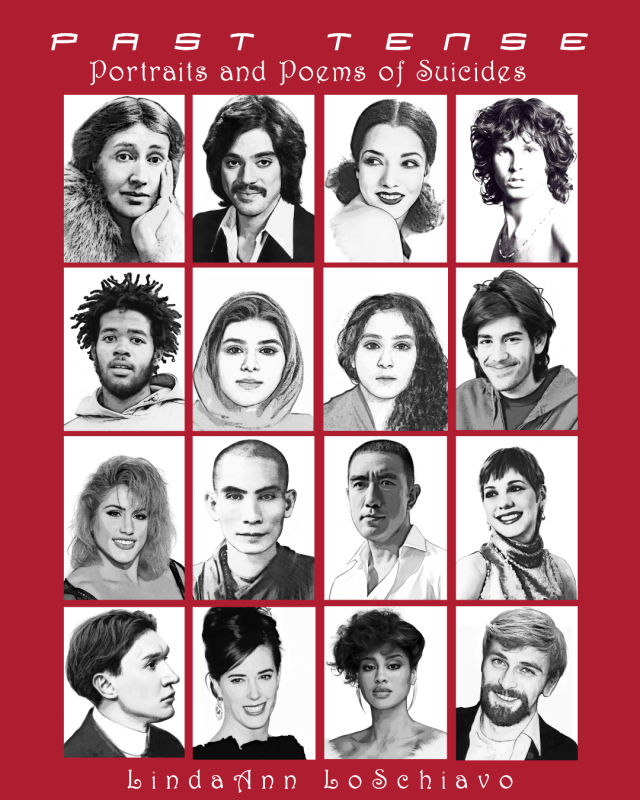
Past Tense by LindaAnn LoSchiavo
Can twenty-three different poetic forms make silence speak without pretending to know everything? Past Tense by LindaAnn LoSchiavo invites readers to investigate through poetry together.

Rajat Chohda: Exploring Conscious Living Through Reflection and Everyday Practice
Can a question about an ordinary family conversation change how you define success? Rajat Chohda explores this journey through his experiences, ideas, and writing; read the full interview to discover.
Turning by Wayne Feinstein
What if the loudest room you’ve ever entered was your own memory? Discover how Turning by Wayne Feinstein explores that unexpected question in our full review.


