
Content Note: This book contains thematic material including grief, implied death, and mental health references. Suitable for thoughtful teen readers and older.
There’s a curious phenomenon in psychology called “place attachment”—the emotional bond between person and place. Scientists have found that physical landscapes can trigger memory as vividly as scent, and that trauma often embeds itself not only in minds but in towns, buildings, and routines. Ana Yudin’s novel leans into this truth, turning a coastal town into both setting and character—a place burdened by memory, ritual, and the weight of the sea.
Dead Man’s Cove is not a backdrop. It breathes. It groans. It waits. And within this fog-veiled corner of the Pacific Northwest, lives intertwine across generations, linked by salt, sorrow, and silence.
When the Past Doesn’t Stay Put
While much of young adult fiction moves forward with momentum, this story loops and lingers—like waves receding and returning. Told in two interwoven timelines, it follows Zarya in the present day and Josephine in the mid-1800s. Though they never meet, their journeys rhyme in subtle, affecting ways.
Instead of grand reveals or battles, the story’s emotional heft lies in restraint: a glance across a hotel lobby, a letter too long hidden, a rumor about a woman who walked into the sea and never came back. It’s a novel that asks readers to read between the words—to feel the ache of what isn’t said.
Zarya’s experience isn’t one of magical destiny, but of unraveling place-based tension, social codes, and emotional inheritance. Her quiet resistance to being folded into her town’s collective forgetting is a subtle but powerful arc.
Atmosphere Without Noise
Many books shout. This one hums. It’s atmospheric not through drama but through deep attention: the way driftwood stacks along a shoreline, the rhythm of ceiling fans in old buildings, the hush that follows a difficult truth. The pacing is deliberate, giving each moment room to settle.
And that’s where its strength lies—it doesn’t hurry. It trusts the reader. In a world of algorithm-driven fiction where every page must “hook,” this story simmers, allowing emotions and metaphors to form like clouds on the horizon.
Themes Rooted in the Real
This is a novel about grief, yes—but also about how communities try to manage it, suppress it, ritualize it. It’s about the stories people tell to explain the inexplicable. The sea, in this book, becomes a metaphor not for danger but for mystery: deep, unknowable, and never the same twice.
It also examines the loneliness of intelligence in small towns, the courage it takes to not “go along,” and how myth can both conceal and reveal truths. That Zarya is of immigrant descent and quietly skeptical makes her both insider and outsider—a position many readers will understand all too well.
Who Will Feel at Home Here
This isn’t a book for those seeking action, romance, or fantasy in bold strokes. It’s for the introspective. For those who once felt too different, too curious, too skeptical. For those who look at old buildings and feel a shiver of recognition.
Think Nina LaCour’s emotional landscapes, or the quiet reverence of Nova Ren Suma’s ghost stories. There’s a kinship here with literary YA that favors mood over motion, presence over plot.
A Book Like Sea Glass
Some books dazzle like treasure. Others shine like sea glass—soft edges, muted glints, polished by time. A Song at Dead Man’s Cove is the latter. It’s a story that rewards patience, reflection, and close attention.
It reminds us that not all hauntings come from ghosts. Sometimes, they come from memories, and the human desire to make sense of what cannot be named. And perhaps that’s what makes this novel quietly extraordinary—it doesn’t try to solve the mystery. It lets it breathe.
In a market often crowded with noise, Ana Yudin’s work whispers. But for those who listen, it sings.
Narrative Voyager Award
This book is a winner of the Narrative Voyager Award, which recognizes the transformative power of storytelling. In a world filled with myriad voices and stories waiting to be discovered, this award highlights books that inspire empathy, challenge conventions, and foster connections across borders—be they physical, cultural, or emotional. By celebrating these stories, we hope to create a literary map where every reader can take on journeys of discovery, reflection, and growth.
We’d love to hear from you!
What are your thoughts on this piece? Share your insights in the comments below!
- What stood out to you most about this post?
- Have you read a book recently that relates to the themes discussed here?
- What’s your favorite takeaway or reflection from this write-up?
Let’s keep the conversation going—your thoughts make this space richer!
Disclaimer: The content on this site is provided for informational and inspirational purposes only. While we strive for accuracy, the views expressed in reviews, articles, and recommendations are subjective and may not reflect the opinions of all readers.
We receive complimentary copies of all books we review. However, this practice does not compromise the integrity or honesty of our reviews. Every write-up reflects the contributor’s genuine impressions and critical analysis, ensuring transparency and trust with our readers.
For a complete understanding of our practices, please refer to our full Disclaimer, Privacy Policy, and Terms of Service. These documents outline how we manage your information, ensure transparency, and uphold your rights as a user.
To request for a review, to nominate your favorite book for an award, or for more details about our awards, click here.
Other Stories

Reimagining Life Through Words and Service with Debra J. White
What happens when life’s hardest blows lead to unexpected purpose? Discover how Debra turned trauma, recovery, and rescued animals into writing and volunteer work that inspires resilience and connection.
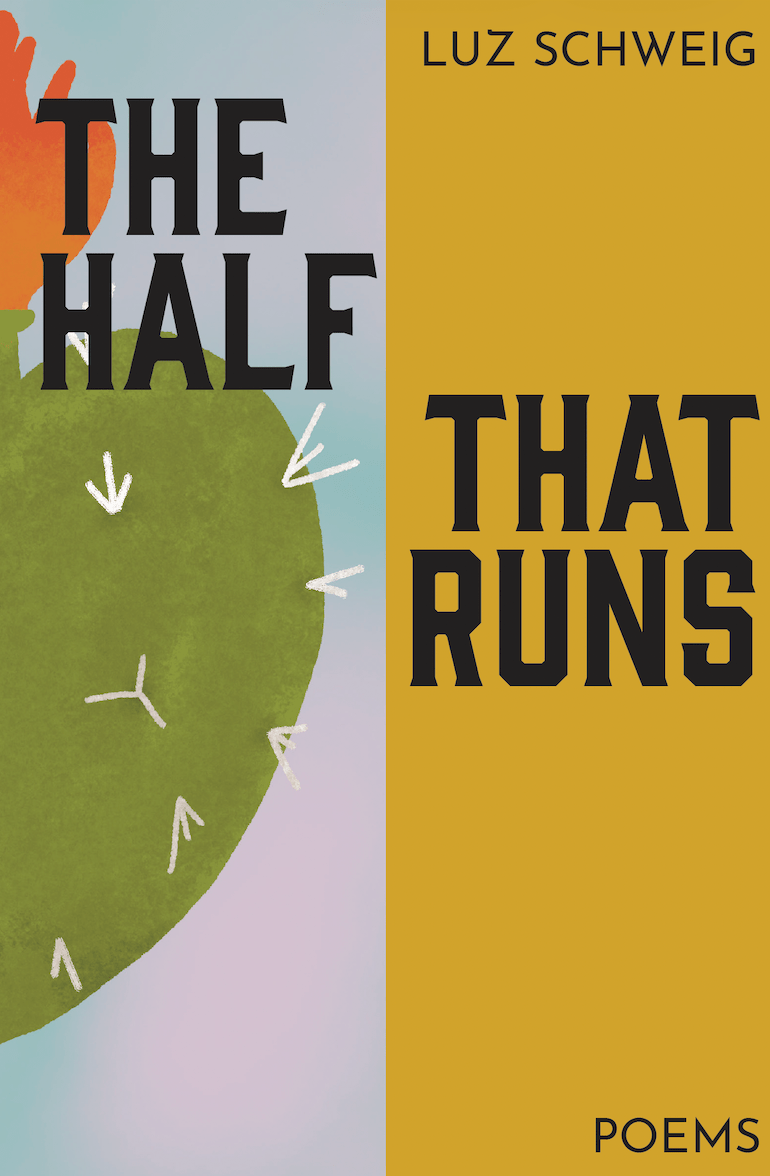
The Half That Runs by Luz Schweig
What if your memories had a geography—one that kept shifting under your feet like sand? Discover how The Half That Runs by Luz Schweig maps identity—read the full piece.
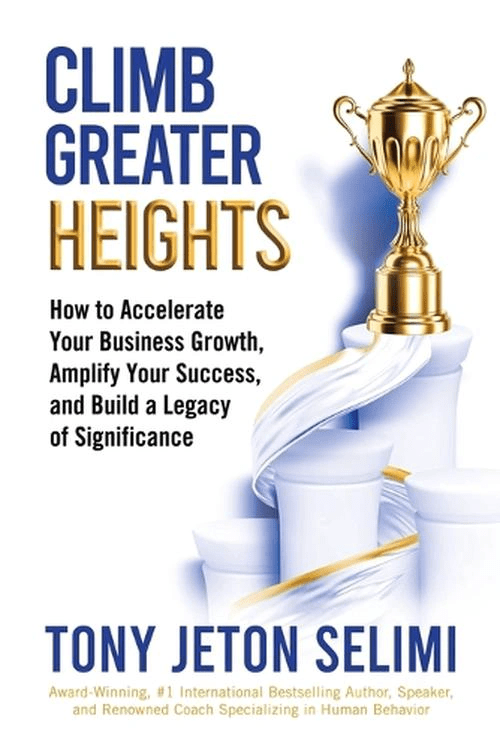
Book Review: Climb Greater Heights by Tony Jeton Selimi
What if your biggest business obstacle isn’t competition but something invisible within you? Discover the answer in Climb Greater Heights by Tony Jeton Selimi—read the full review to explore.

 OneTribune