
Content Warning: This interview discusses themes related to abuse, unresolved trauma, and justice. Some readers may find references to personal experiences of mistreatment in educational settings distressing. Reader discretion is advised.
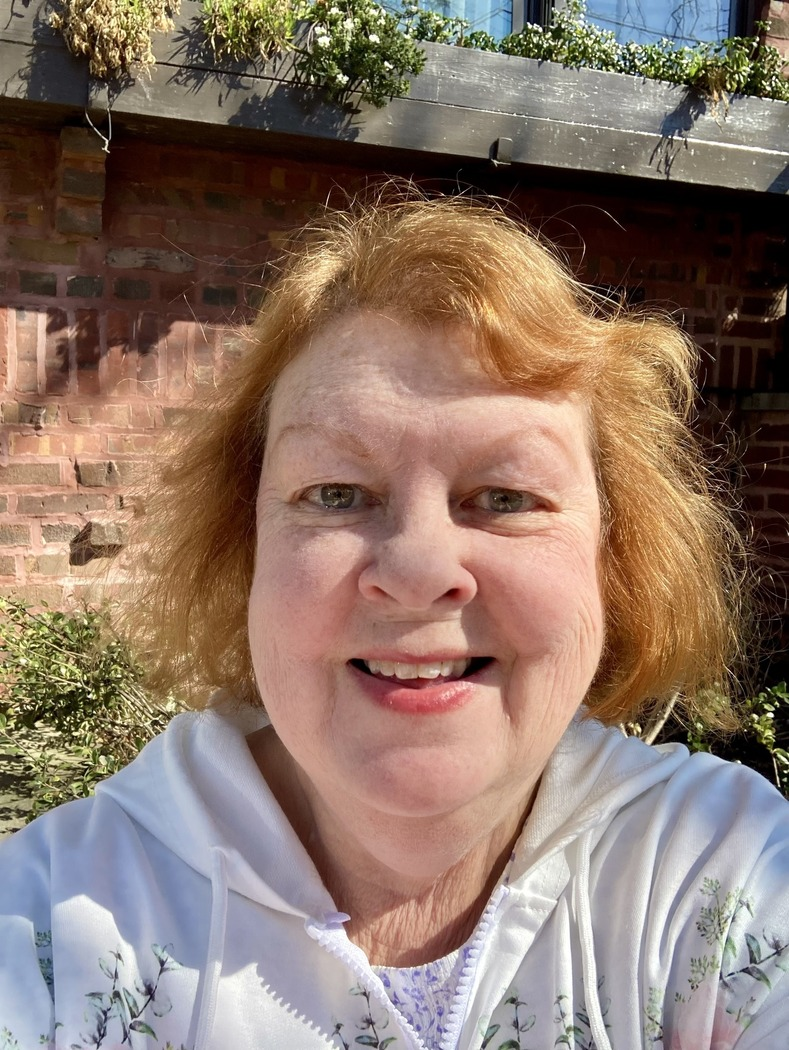
Carolyn Summer Quinn is the author of The Final Comeuppance, a mystery novel published in 2022. The book follows Amanda Conway, who revisits past experiences at a private school while assisting in an investigation. In this interview, Quinn discusses her writing process and the themes present in her work.
Carolyn, thank you for joining us today! To start us off, could you introduce yourself in your own words—who you are, what you do, and what drives your work as both a writer and an artist?

I come from the suburbs of New Jersey and live in New York City. I’m an author because I simply love to write! I started writing little stories when I was in the first grade, when I first learned to read and write, and I simply never stopped. I like to write stories with a degree of hope thrown in, and especially enjoy creating mysteries. I try to create compelling characters. With the photography, I look for interesting shapes and colors and lights—the subject doesn’t matter, although I prefer cityscapes and flowers.
The Final Comeuppance takes on some serious themes through a compelling fictional lens. What initially inspired you to write this story, and what were you hoping to explore through Amanda Conway’s journey?
I went to six different schools growing up. Three were public schools and they were phenomenal. The other three were private schools and, frankly, could not have been more toxic. Ha, the toxic ones provided me with a lot of material for later!
Without giving away too much, the novel leans into the idea of long-term consequences from unresolved wrongdoing. How did your personal observations or experiences inform the emotional core of the story?
When situations don’t add up, they become unforgettable for all of the wrong reasons. This is especially true for children who are in the middle of inexplicable circumstances. I speak from experience here and drew on that idea when writing the book. I’m STILL hearing horror stories from former students at the worst of the schools I attended. Just when I think I have it figured out, kaboom! Someone tells me about another atrocity. It’s unbelievable. As one friend said, there were “teachers,” and I use the term loosely, who should have been removed from the premises in handcuffs.
Justice—especially delayed or non-traditional forms of it—plays a central role in your novel. How do you personally define justice, and how did that influence your portrayal of it in this book?
I believe justice is directly connected to accountability. When there are criminal people who get away with committing various forms of abuse, especially of children, that needs to be addressed. This story was a mystery about abuse that never got addressed until finally someone took the law into their own hands.
Amanda’s reluctant return to the past as a special consultant highlights the tension between memory and truth. How do you approach writing about memories, especially those that are painful or contested?
To tell you the truth, I just wing it! Two adults at a school I attended were like living, flesh-and-blood, walking nightmares. So I know what it feels like to have bad memories of such types, and I use it when writing for a character like Amanda. She’s a good kid in a bad school run by a coterie of corrupt people. And there’s a lot of that out there these days, as headlines can prove.
What challenges did you face in balancing suspense and morality in a story where readers might empathise with both victims and perpetrators in complex ways?
I kept trying to keep the emphasis on the difference between right and wrong. The school in the story is run by people who belong in a penitentiary.
Your work spans different genres and audiences, including middle grade fiction. How does writing for adults differ from writing for younger readers, particularly when addressing tough or thought-provoking subjects?
Ha, with books for adults, I can “let it all hang out,” as the old saying goes! I can say whatever I want and even phrase it rather colorfully on occasion, and also I can get into the various subjects in more depth. With children’s books it’s better to be a lot more restrained in the way the story is written. However, I should add that in both of the children’s books I wrote, the main characters were very direct kids.
Storytelling often becomes a tool for transformation or reckoning. In your view, what role does fiction play in helping people process real-life experiences or social issues?
Oh, it can help a lot in revealing how universal many situations are, and it can let people know they’re not alone in whatever they have going on. I try to make some valid points without hitting anybody over the head with them, so to speak. It helps to make a story as much fun as possible when relaying it, too.

Have any readers reached out to share how The Final Comeuppance resonated with them personally? How do such reactions shape your view of your work’s impact?
Yes. The ones who were at the mercy of out-of-control adults when they were kids understand the story and relate to it.
Finally, what’s next for you, creatively speaking? Are there new themes, genres, or projects you’re excited to explore—especially ones that continue to bridge meaningful storytelling with relatable human experiences?
I’m in the middle of working on two more mysteries. One is historical, set in the early 1960s, and the other one is contemporary. Stay tuned!
Links
- The Final Comeuppance on Goodreads
- The Final Comeuppance on Amazon US
- The Final Comeuppance on Amazon AU
Disclosure: This interview was conducted as part of a collaborative feature. The content and opinions shared are based on the interviewee’s personal experiences and expertise.
We’d love to hear from you!
What are your thoughts on this piece? Share your insights in the comments below!
- What stood out to you most about this post?
- Have you read a book recently that relates to the themes discussed here?
- What’s your favorite takeaway or reflection from this write-up?
Let’s keep the conversation going—your thoughts make this space richer!
Disclaimer: The content on this site is provided for informational and inspirational purposes only. While we strive for accuracy, the views expressed in reviews, articles, and recommendations are subjective and may not reflect the opinions of all readers.
We receive complimentary copies of all books we review. However, this practice does not compromise the integrity or honesty of our reviews. Every write-up reflects the contributor’s genuine impressions and critical analysis, ensuring transparency and trust with our readers.
For a complete understanding of our practices, please refer to our full Disclaimer, Privacy Policy, and Terms of Service. These documents outline how we manage your information, ensure transparency, and uphold your rights as a user.
To request for a review, to nominate your favorite book for an award, or for more details about our awards, click here.
Other Stories

Grieving Ic by Edward Michael Supranowicz
What does a feeling look like when it turns symmetrical? Spend time with Edward Michael Supranowicz’s artwork, let its forms speak, and discover meaning by lingering with the image quietly.
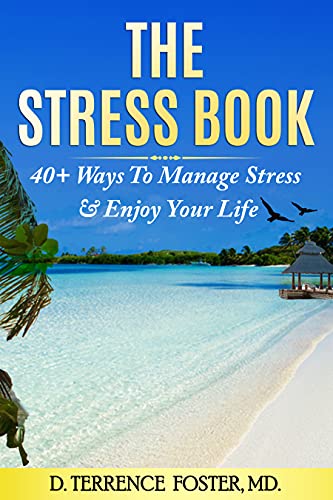
Book Review: The Stress Book by Dr. D. Terrence Foster
If an octopus could text, juggle, cook, plan a future, soothe trauma, and still feel behind—would it read The Stress Book? You’ll find out why that’s relevant as you read on.
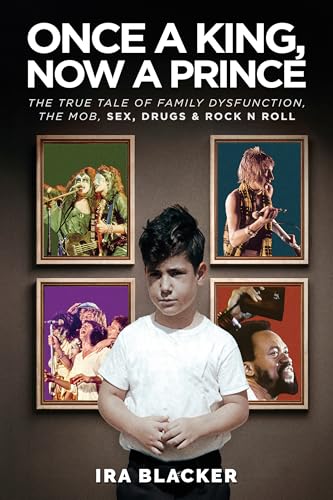
Once A King, Now A Prince by Ira Blacker
What happens when imagination becomes a survival skill instead of a pastime? Once A King, Now A Prince by Ira Blacker reveals the answer—if you’re willing to follow the journey.

 OneTribune