
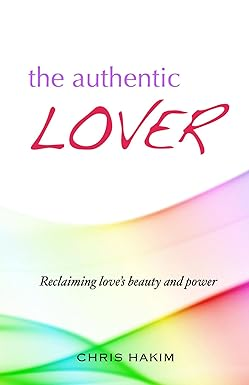
What if your biggest obstacle to love isn’t rejection, apps, or bad luck—but something you’re doing without noticing? The Authentic Young Lover by Chris Hakim invites you to find out.
The Authentic Young Lover by Chris Hakim
Genre: Young Adult Nonfiction
Sub-genres: Personal Growth, Relationships, Social Psychology, Philosophy
Themes: Authenticity, emotional maturity, consent, self-knowledge, modern dating culture
Recommended Minimum Age: 16+
Review
Most books about love promise shortcuts. They offer scripts, strategies, or confidence hacks, often implying that connection is something you win rather than something you build. The Authentic Young Lover quietly refuses that premise. Instead of asking how to attract someone, Chris Hakim asks a more uncomfortable question: what kind of person are you becoming when you try to love?
The book is written for young adults, but not in a condescending way. It assumes readers are capable of reflection, moral reasoning, and growth. Hakim does not pretend relationships are easy or endlessly fulfilling. He treats them as one of the most demanding arenas of human life, shaped by fear, desire, insecurity, and cultural pressure. This realism gives the book its credibility.
Drawing on evolutionary psychology, Hakim explains why jealousy, competition, and status anxiety feel so natural. He pairs these explanations with insights from diverse wisdom traditions to show that “natural” impulses are not the same as inevitable outcomes. This balance between scientific explanation and ethical aspiration is one of the book’s greatest strengths. It neither shames instinct nor excuses harmful behavior.
One of the book’s most compelling ideas is that modern dating culture trains people to perform rather than relate. Social media, apps, and consumer logic reward appearances, metrics, and efficiency. Over time, this erodes patience and curiosity—qualities that research consistently links to relationship satisfaction and emotional well-being. Studies in psychology show that secure attachment correlates more strongly with emotional regulation and empathy than with attractiveness or income, a fact the book repeatedly reinforces through argument rather than citation dumping.
Hakim’s use of contemplative exercises is practical rather than mystical. Reflection prompts, communication frameworks, and mindfulness practices are introduced as skills, not beliefs. This makes the book accessible to readers across ideological backgrounds. The emphasis is always on responsibility without self-blame: you are accountable for how you show up, even when circumstances are unfair.
This is a book for readers who are tired of drama disguised as romance, and for those who suspect that constant optimization is making connection harder, not easier. It is not for someone looking for quick dating tricks, rigid rules, or validation that everyone else is the problem. It is for readers willing to slow down, examine patterns, and accept that maturity is more attractive than performance in the long run.
The book’s quiet confidence is its final persuasive tool. It does not shout, threaten, or moralize. It simply makes a sustained, evidence-backed case that love improves when character improves—and that this work, while challenging, is within reach.
Content Warning
This book discusses mature relationship topics, including sexuality, consent, and modern dating culture, in an educational and reflective manner. Suitable for older teens and adults.
Other Stories

Shannon O’Brien on Travel, Teaching, and Redefining Home
Can a backpack become a home and a classroom at the same time? This interview follows one teacher-writer’s journey to find out—revealed through travel, reflection, and lived experience.
Keep reading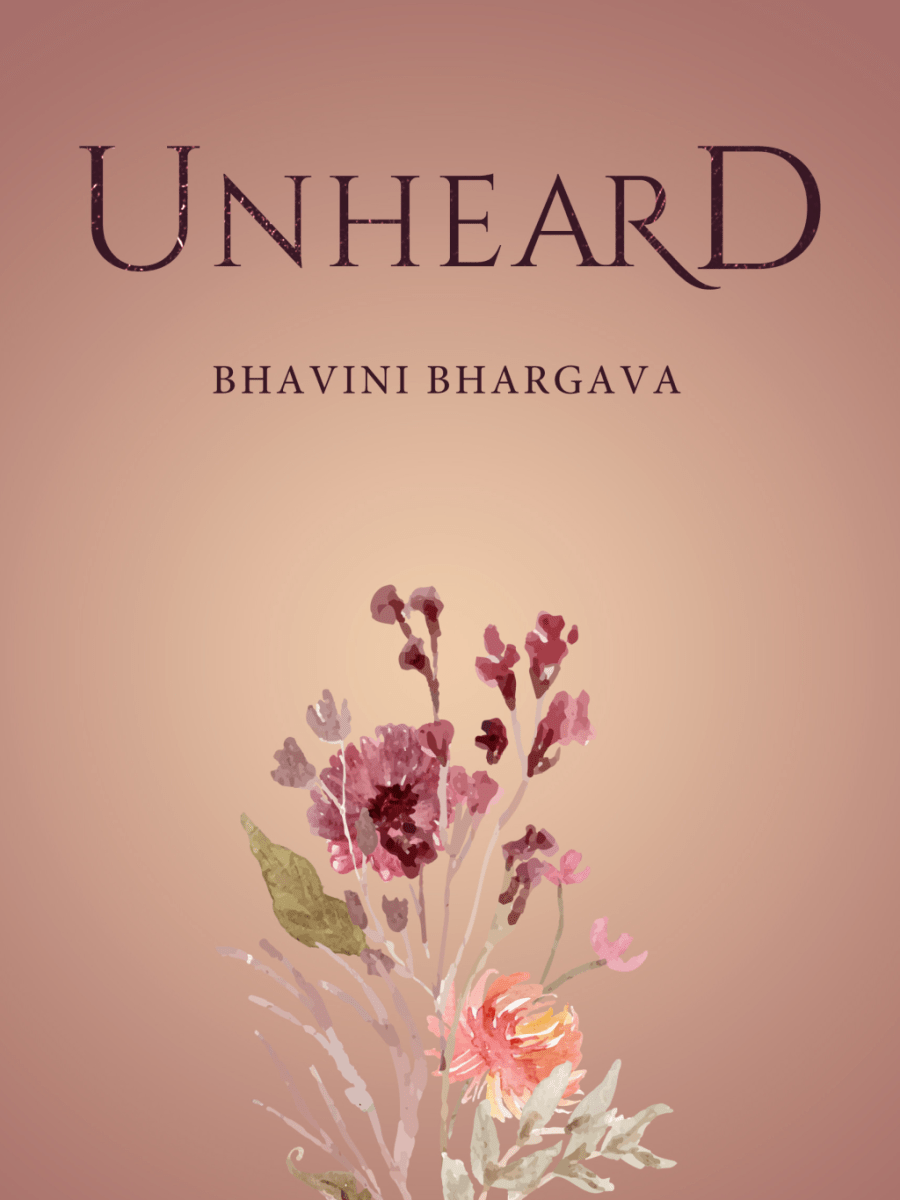
Unheard by Bhavini Bhargava
This isn’t just a book of poetry—it’s a coming-of-age mixtape set to the rhythms of heartbreak, resistance, faith, and fire. If you’ve ever lived, loved, or lost—you’ll find yourself somewhere in these pages.
Keep reading
Leon Mitchell on Imagination, Resilience, and Finding the Extraordinary in the Ordinary
What if imagination isn’t an escape but a survival skill you forgot you had? This interview explores that idea—revealed through childhood wonder, discipline, and stories that reflect who we are.
Keep reading
Danielle Simone on Curiosity, Courage, and Learning Through Story
Have you ever wondered what happens when curiosity goes missing in childhood? This interview explores one educator-author’s response—and how stories can invite exploration, reflection, and care for the world around us.
Keep reading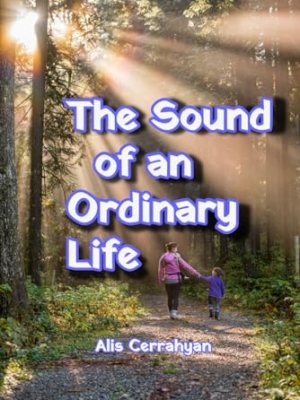
The Sound of an Ordinary Life by Alis Cerrahyan
If The Sound of an Ordinary Life teaches anything, it is the delicate art of letting go—of guilt, of old wounds, of the need for closure that may never come.
Keep readingWe’d love to hear from you!
What are your thoughts on this piece? Share your insights in the comments below!
- What stood out to you most about this post?
- Have you read a book recently that relates to the themes discussed here?
- What’s your favorite takeaway or reflection from this write-up?
Let’s keep the conversation going—your thoughts make this space richer!
Disclaimer: The content on this site is provided for informational and inspirational purposes only. While we strive for accuracy, the views expressed in reviews, articles, and recommendations are subjective and may not reflect the opinions of all readers.
We receive complimentary copies of all books we review. However, this practice does not compromise the integrity or honesty of our reviews. Every write-up reflects the contributor’s genuine impressions and critical analysis, ensuring transparency and trust with our readers.
For a complete understanding of our practices, please refer to our full Disclaimer, Privacy Policy, and Terms of Service. These documents outline how we manage your information, ensure transparency, and uphold your rights as a user.
To request for a review, to nominate your favorite book for an award, or for more details about our awards, click here.
Other Stories

Review of “Holy Parrot” by Angel A
In Holy Parrot, Angel A doesn’t tell you what to believe. Instead, the author hands you a kaleidoscope and dares you to keep it still.
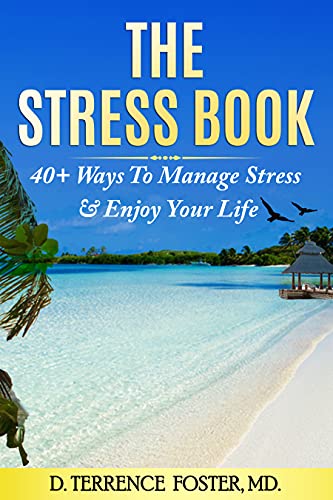
A Review of “The Stress Book” by Dr. D. Terrence Foster
Not every book is meant to soothe you. Some are meant to ground you. The Stress Book does exactly that.
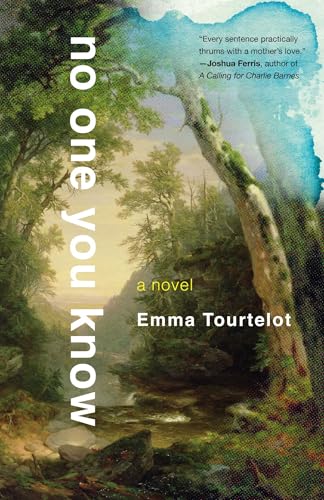
No One You Know by Emma Tourtelot
Have you ever wondered why a single moment—like standing in a quiet room—can change how a family sees itself? This review explores how the book unravels that question.

 OneTribune