
You can be a scientist and still find yourself entirely unprepared for the moment a teenager claims her pregnancy was foretold—by a talking parrot. Holy Parrot tosses together what seems like the setup for a comic sketch, then deftly morphs it into a deeply human, tender, and investigative journey. The protagonist, Leonard, is a geneticist from Melbourne, sent to a Colombian fishing village to study the secret behind the community’s remarkable longevity. Instead, he ends up exploring the far more elusive qualities of belief, innocence, and the power of narrative.
Leonard’s methods are precise and empirical—PCR machines, petri dishes, and test kits—but his subject, Maria, challenges every expectation. Her story? That a parrot named Gabriel told her she was to bear a divine child. Wild? Sure. But if you’re the kind of person who Googled “can dolphins detect pregnancy?” (they can), then you’ll find yourself grudgingly considering what this book keeps asking: what counts as truth?
Blue Zones, Green Jungles, and Grey Areas
Set in Buritaca, a real place along Colombia’s Caribbean coast, Holy Parrot draws its authenticity from both geography and cultural nuance. The region is known as a “blue zone”—a term backed by demographic and medical research to describe areas where people live significantly longer than average. Leonard’s job is to find the molecular or environmental “why.” But what he stumbles into is an anthropological treasure: a girl named Maria, whose resilience and mystique grow larger than life.
The villagers’ reaction to Maria’s story is as illuminating as the story itself. They embrace her. She becomes a symbol. Gifts pile up, a crowd forms. Leonard, torn between skepticism and care, becomes more than just an observer—he becomes complicit in preserving the mystery, if only to protect Maria from a society that could easily turn against her.
Why We Need Myths—Even Today
Why do humans cling to myths, especially in the face of data and scientific training? Because myths explain things science sometimes can’t—grief, loss, purpose. There’s a famous anecdote from astronomer Carl Sagan’s Cosmos: when asked if he believed in God, he replied, “I’m not sure. But I’m deeply moved by the idea.” Holy Parrot embodies that spirit.
There’s a truth in Maria’s story even if it’s not genetic. The story becomes a vessel for community, reconciliation, and even healing. Scientific discoveries like telomere extension (yes, real research shows these DNA structures affect aging) intertwine with unmeasurable phenomena like forgiveness, faith, and hope.
An Unusual Literary Ecosystem
Stylistically, the book is clean but vivid. Think Gabriel García Márquez with fewer flourishes, or Kazuo Ishiguro if he had spent a summer studying tropical biology. The jungle is more than scenery; it pulses with hidden meanings, echoing the ambiguity of what is seen and unseen. The waterfall that Maria claims is “the source of longevity” evokes the age-old search for the fountain of youth, and Leonard’s own body—plagued by eczema—stands as a quiet metaphor for humanity’s imperfection in the face of miracle.
Family Friendly, But Not Toothless
Despite its potentially loaded premise, Holy Parrot avoids sensationalism. There’s no gratuitous content. There are uncomfortable questions, yes, but no harmful answers. And isn’t that a lesson in itself? In an age when content often leans toward extremes, this novel shows restraint without losing tension or emotional depth.
In fact, its strength lies in that restraint. Like a scientific paper written with poetic rhythm, or a bedtime story told by a biologist, Holy Parrot makes the implausible feel plausible—not by insisting it’s real, but by making you care either way.
Final Thoughts
Is it possible for a story to be both utterly implausible and completely believable? Holy Parrot suggests it is. And whether or not you believe Maria, whether or not Gabriel really spoke, you’ll leave Buritaca changed—softened perhaps, or at least more willing to entertain the sacred in the strange.
Because sometimes, the most surprising revelations don’t come from a microscope.
They come from a bird.
Atlas of Stories Award
This book is a recipient of the Atlas of Stories Award, an accolade that celebrates works mapping the literary world with creativity and depth. Aligned with our mission of “Mapping the World Through Books,” this award honors stories that inspire, educate, and entertain while transcending cultural and imaginative borders. These remarkable narratives explore universal themes, fostering connection and understanding as they take readers on a journey through the richness of global storytelling.
We’d love to hear from you!
What are your thoughts on this piece? Share your insights in the comments below!
- What stood out to you most about this post?
- Have you read a book recently that relates to the themes discussed here?
- What’s your favorite takeaway or reflection from this write-up?
Let’s keep the conversation going—your thoughts make this space richer!
Disclaimer: The content on this site is provided for informational and inspirational purposes only. While we strive for accuracy, the views expressed in reviews, articles, and recommendations are subjective and may not reflect the opinions of all readers.
We receive complimentary copies of all books we review. However, this practice does not compromise the integrity or honesty of our reviews. Every write-up reflects the contributor’s genuine impressions and critical analysis, ensuring transparency and trust with our readers.
For a complete understanding of our practices, please refer to our full Disclaimer, Privacy Policy, and Terms of Service. These documents outline how we manage your information, ensure transparency, and uphold your rights as a user.
To request for a review, to nominate your favorite book for an award, or for more details about our awards, click here.
Other Stories

Carmella Parker on Law, Education, and Guiding Institutions Through Change
How do you teach students about laws that are still being written? This interview explores one legal educator’s answer—revealed through experience, strategy, and real-world change inside the evolving legal landscape.

The Stress Book by Dr. D. Terrence Foster
What do dental floss, your Wi-Fi signal, and your unresolved childhood goals have in common? Surprisingly, a lot. Read on to see how they all tie into your everyday stress—and how this book untangles it.
Grieving Ic by Edward Michael Supranowicz
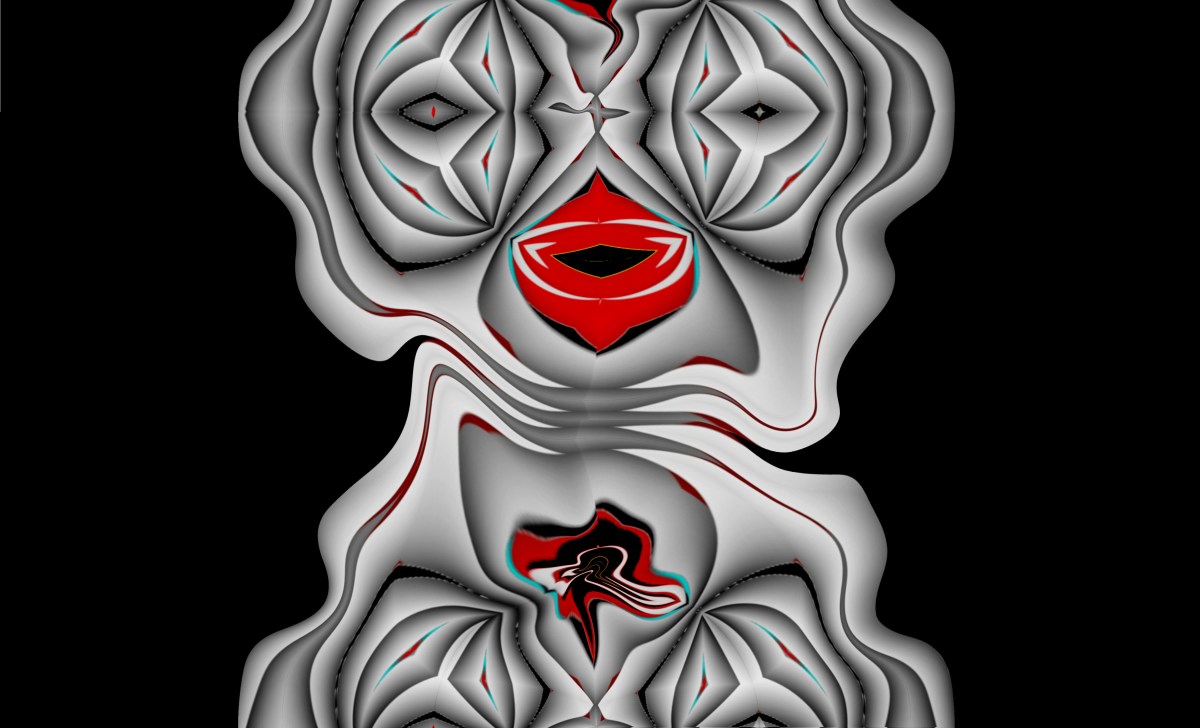
What does a feeling look like when it turns symmetrical? Spend time with Edward Michael Supranowicz’s artwork, let its forms speak, and discover meaning by lingering with the image quietly.

 OneTribune