
In Unheard, Bhavini Bhargava offers readers a deeply personal, emotionally resonant collection of poems that speak directly to the quiet struggles, silenced voices, and inner conflicts of young adulthood. Written with clarity, passion, and vulnerability, this debut collection delivers a powerful punch of raw truth and introspection, making it not just a book of poetry, but a mirror to the minds of those who often feel unseen.
Voice and Authenticity
What sets Unheard apart is the strength of Bhargava’s voice—earnest, unpolished in the most beautiful way, and brimming with honesty. Each poem feels like a page torn from a private journal, yet the themes are universal: the pressure to conform, the ache of isolation, the longing for acceptance, and the ever-present tension between who we are and who the world wants us to be. Her words are neither flowery nor overly stylized—they are deliberate, grounded in real emotion and genuine experience.
Themes and Relevance
Thematically, Bhargava explores a wide emotional landscape:
- Mental Health: Several poems delve into anxiety, depression, and the numbness of emotional overload, offering a safe space for readers who may be experiencing similar struggles.
- Societal Expectations and Identity: As a young woman from India who is now studying in Australia, Bhargava’s voice reflects both cultural nuance and global youth concerns. She challenges traditional gender roles, calls out the silencing of female voices, and wrestles with questions of purpose and place.
- Love and Longing: Romantic feelings, platonic bonds, heartbreak, and yearning are captured with a delicate mix of innocence and wisdom.
- Empowerment and Resilience: While the tone of the book can be heavy, Bhargava ultimately moves toward empowerment. Her later poems reflect growth, self-worth, and a reclaiming of voice—hence making the title Unheard all the more poetic, as these pages ensure she is heard.
Structure and Style
The book’s structure is free-flowing, almost like an emotional timeline. There’s no rigid separation of chapters, but the progression is evident. The earlier poems carry a heavier tone of confusion and anguish, while the later pieces show clarity, strength, and hope.
Stylistically, the poetry leans toward modern free verse. It avoids overly ornate language, which works well with the sincerity of the themes. Her use of repetition, rhetorical questions, and plain-spoken phrases makes the poems accessible while still emotionally stirring.
Audience and Impact
Unheard will particularly resonate with teenagers and young adults navigating identity, mental health, academic or athletic pressure, and cultural duality. It is also a meaningful read for educators, counselors, and parents seeking insight into the inner lives of today’s youth.
Given Bhargava’s background as a national-level athlete and scholarship student, there’s also an undercurrent of commentary on performance pressure and the burden of expectations—a subtle but powerful addition to the emotional palette of the book.
Final Thoughts
Bhavini Bhargava’s Unheard is not just a poetry collection—it is a declaration. A declaration that the pain, hopes, and voices of young people matter. It is a quiet revolution against silence, and a celebration of finding strength in vulnerability.
Whether you’re a young reader looking for something that “gets you,” or an adult hoping to better understand the next generation’s emotional terrain, Unheard is an evocative, insightful, and ultimately uplifting read.
Beyond Boundaries Reads Book Award

This book is a winner of the Beyond Boundaries Reads Book Award. The award honors exceptional works of literature that transcend borders—geographical, cultural, and imaginative. This award celebrates stories that connect us, foster empathy, and highlight universal themes while amplifying diverse voices from around the world. Spanning fiction, nonfiction, poetry, and youth literature, it recognizes books that inspire, challenge, and deepen our understanding of the global human experience.
We’d love to hear from you!
What are your thoughts on this piece? Share your insights in the comments below!
- What stood out to you most about this post?
- Have you read a book recently that relates to the themes discussed here?
- What’s your favorite takeaway or reflection from this write-up?
Let’s keep the conversation going—your thoughts make this space richer!
Disclaimer: The content on this site is provided for informational and inspirational purposes only. While we strive for accuracy, the views expressed in reviews, articles, and recommendations are subjective and may not reflect the opinions of all readers.
We receive complimentary copies of all books we review. However, this practice does not compromise the integrity or honesty of our reviews. Every write-up reflects the contributor’s genuine impressions and critical analysis, ensuring transparency and trust with our readers.
For a complete understanding of our practices, please refer to our full Disclaimer, Privacy Policy, and Terms of Service. These documents outline how we manage your information, ensure transparency, and uphold your rights as a user.
To request for a review, to nominate your favorite book for an award, or for more details about our awards, click here.
Other Stories

Reimagining Life Through Words and Service with Debra J. White
What happens when life’s hardest blows lead to unexpected purpose? Discover how Debra turned trauma, recovery, and rescued animals into writing and volunteer work that inspires resilience and connection.
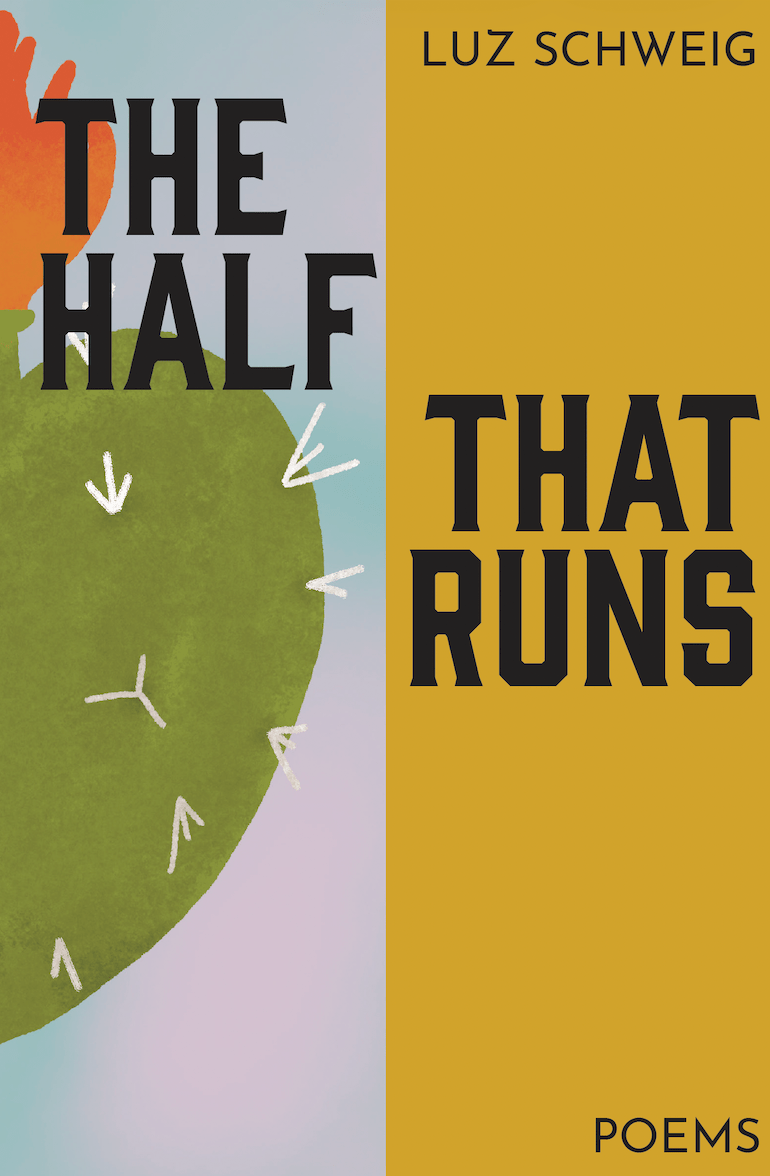
The Half That Runs by Luz Schweig
What if your memories had a geography—one that kept shifting under your feet like sand? Discover how The Half That Runs by Luz Schweig maps identity—read the full piece.
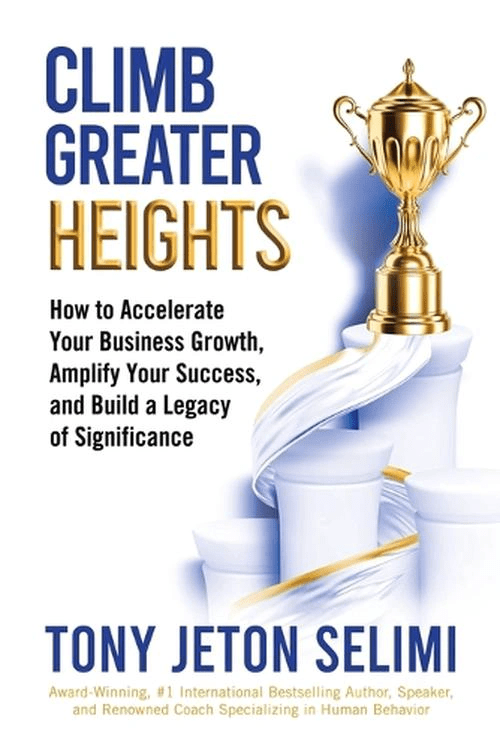
Book Review: Climb Greater Heights by Tony Jeton Selimi
What if your biggest business obstacle isn’t competition but something invisible within you? Discover the answer in Climb Greater Heights by Tony Jeton Selimi—read the full review to explore.
 OneTribune