

Author Felicia Jones discusses how her writing journey was influenced by empathy, gratitude, and imagination in this kind and perceptive discussion. She talks about the creative process of bringing everyday moments to life with wonder, the emotional lessons woven into her rhymes, and how stories can help both adults and children rediscover the subtle beauty of what they already have, all while drawing from her well-known picture book Jerome’s Magical Home. This interview explores imagination, fortitude, and the craft of crafting stories that evoke joy and kindness without solely depending on fiction.
Felicia, thank you for joining us. To start, could you tell us a little about yourself—your background, what drew you to writing, and what you hope readers take away from your work?
Hi! Thank you for having me. I’m from North Carolina. I’m also a singer-songwriter. I have always been a creative person since I was a child. I loved to draw, sing, read, and write. I would often write stories in notebooks and never finish them. As I got older, I lost the practice of being an avid reader and writer, due to school and work. During the pandemic, I started to take writing seriously. I was inspired by other creatives sharing their work online. I want my readers—especially young readers—to know that anything is possible. I hope audiences of my YA books find my work interesting and are immersed into plots full of twists and turns.
Jerome’s Magical Home is full of wonder and heart. What sparked the idea for this story, and how did you balance fantasy elements with the grounded emotional lessons woven throughout?
I got the idea from a dream I had where a woman moved into a magical house where chores were completed on their own. I thought this would be a great idea for a children’s book. I balanced the emotional lessons by focusing on Joan’s reaction to his house and how she compares it to hers. Her jealousy and comparison are emotions we have all experienced. I think the magical house allowed me to explore those emotions and lessons in a safe and fun way.
The book beautifully explores the feeling of comparing one’s life to another’s—something both children and adults can relate to. How did you approach writing about envy and gratitude in a way that felt hopeful rather than heavy?
I channeled experiences as a child and all the great times I had with my friends. I do remember feeling jealous and envious, but I got over those feelings when I had a great time with my friends.
Your storytelling voice flows with rhyme and rhythm that feels both classic and fresh. What’s your creative process like when crafting rhyming narratives that still deliver emotional impact?
My creative process starts off with writing all my ideas out on paper. After that, I started to create the prose. I focused on having a mixture of perfect and slant rhymes. Some of the rhymes are unexpected. I also wanted to infuse humor into the story to keep children engaged. I wanted the rhymes to feel fun and free-flowing.
Many readers see your book as more than a children’s story—it’s a gentle reflection on happiness and self-worth. What message do you think parents or educators can share with children through Jerome and Joan’s friendship?
The message I want parents and educators to take away is that possessions are meaningless, especially if you have no one to share them with. Comparison is the thief of joy, and even though something might seem perfect, it is always not that way.
The illustrations in the book radiate color and warmth. How closely did you collaborate with your illustrator to ensure that the visuals captured not only the “magic” but also the subtle emotions behind it?
I worked very closely with my illustrator from the beginning sketches to the final product. I had a vivid image of what I wanted for each illustration in the book, and Marian was able to capture my visions perfectly.
You’ve been recognized with a Wordscape Wonders Book Award from OneTribune Media. How did that recognition feel, and what does it mean to you as both a writer and storyteller?
The recognition from OneTribune is such an honor. I was very surprised when I won the Wordscape Wonders Book Award. I couldn’t believe it. As a writer and storyteller, it has given me encouragement to continue this journey of sharing my stories. As a self-published author, there are many ups and downs. This recognition shows that my voice matters and that my stories have impact.
Imagination plays a major role in your story, but so does honesty—acknowledging that even magical places have imperfect days. How important is it to you that children’s books reflect real emotions and imperfections?
I believe it’s very important for children to reflect on those emotions, especially at a young age. It will help them process and understand these emotions better. These lessons are struggles that I and many adults still face. It’s important to know imperfections are an inevitable part of life and they should be embraced.
Your story subtly promotes ideas like appreciation, empathy, and kindness—values that strengthen communities and relationships. How do you see storytelling contributing to these shared human values?
I think storytelling is a great way to explore human values. It is a wonderful way that people from different walks of life come together and realize we are more alike than different. Storytelling has always contributed to human values, and I’m interested to see how it evolves.
For aspiring children’s authors or educators hoping to write stories that teach without preaching, what practical advice would you offer from your own experience creating Jerome’s Magical Home?
I would advise making the world of the story fun, colorful, and engaging. The story should have relatable characters that children can relate to that also experience the same problems they do: making friends, fears, and bullying. I think it is best to show the lesson through the characters’ actions. Lastly, the story should have a satisfying ending that doesn’t simply summarize the lesson.

If you were to write your bio in your own words, what would you say? What legacy do you hope to leave?
I’m a multi-passionate dreamer that wants to create as much as possible. I want my work to inspire others to pursue their passions and to spread positivity in the world.
Related
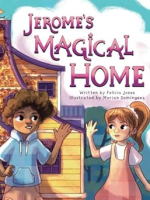
Jerome’s Magical Home by Felicia Jones
Have you ever wondered if a “perfect” life would still sparkle if you looked closer? Through this review, discover how one magical home answers that question—without a single spell.
Keep readingMore Posts Like This

Reimagining Life Through Words and Service with Debra J. White
What happens when life’s hardest blows lead to unexpected purpose? Discover how Debra turned trauma, recovery, and rescued animals into writing and volunteer work that inspires resilience and connection.
Keep reading
Learning from the Land: A Conversation with Cathryn Wellner on Life’s Unexpected Lessons
Ever wondered what it’s like to raise sheep, pigs, and camels while learning life lessons along the way? Cathryn Wellner shares her unexpected journey, and readers will discover how she adapted and thrived.
Keep reading
Carmella Parker on Law, Education, and Guiding Institutions Through Change
How do you teach students about laws that are still being written? This interview explores one legal educator’s answer—revealed through experience, strategy, and real-world change inside the evolving legal landscape.
Keep reading
Shannon O’Brien on Travel, Teaching, and Redefining Home
Can a backpack become a home and a classroom at the same time? This interview follows one teacher-writer’s journey to find out—revealed through travel, reflection, and lived experience.
Keep reading
Leon Mitchell on Imagination, Resilience, and Finding the Extraordinary in the Ordinary
What if imagination isn’t an escape but a survival skill you forgot you had? This interview explores that idea—revealed through childhood wonder, discipline, and stories that reflect who we are.
Keep readingWe’d love to hear from you!
What are your thoughts on this piece? Share your insights in the comments below!
- What stood out to you most about this post?
- Have you read a book recently that relates to the themes discussed here?
- What’s your favorite takeaway or reflection from this write-up?
Let’s keep the conversation going—your thoughts make this space richer!
Disclaimer: The content on this site is provided for informational and inspirational purposes only. While we strive for accuracy, the views expressed in reviews, articles, and recommendations are subjective and may not reflect the opinions of all readers.
We receive complimentary copies of all books we review. However, this practice does not compromise the integrity or honesty of our reviews. Every write-up reflects the contributor’s genuine impressions and critical analysis, ensuring transparency and trust with our readers.
For a complete understanding of our practices, please refer to our full Disclaimer, Privacy Policy, and Terms of Service. These documents outline how we manage your information, ensure transparency, and uphold your rights as a user.
To request for a review, to nominate your favorite book for an award, or for more details about our awards, click here.
Other Stories
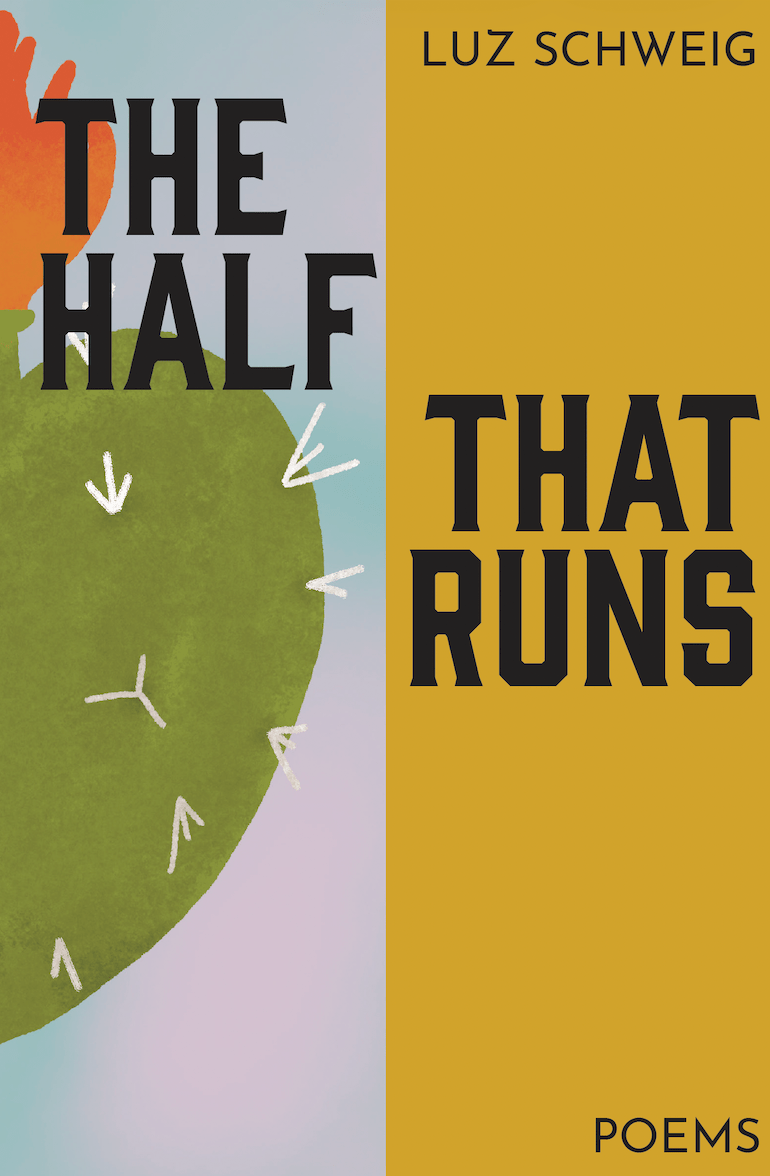
The Half That Runs by Luz Schweig
What if your memories had a geography—one that kept shifting under your feet like sand? Discover how The Half That Runs by Luz Schweig maps identity—read the full piece.
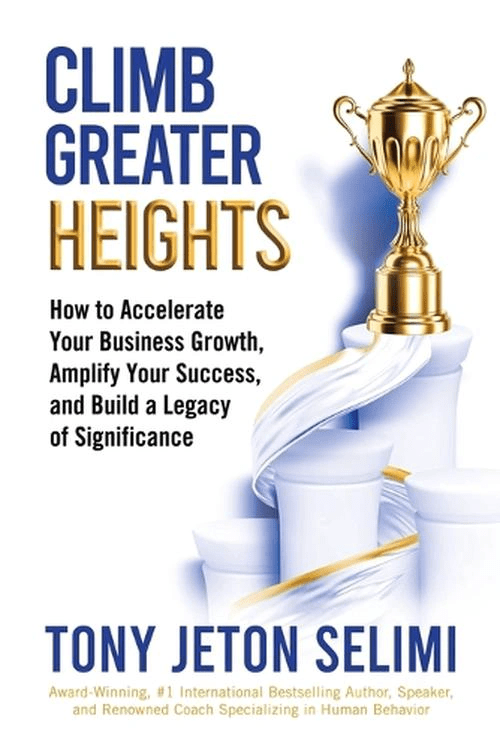
Book Review: Climb Greater Heights by Tony Jeton Selimi
What if your biggest business obstacle isn’t competition but something invisible within you? Discover the answer in Climb Greater Heights by Tony Jeton Selimi—read the full review to explore.
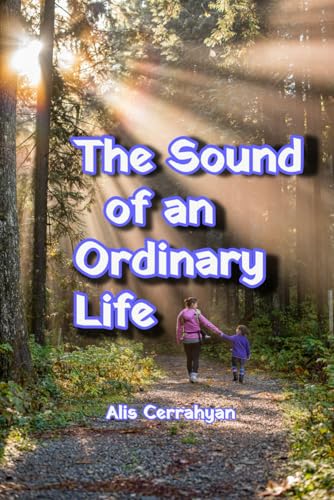
Review of The Sound of an Ordinary Life by Alis Cerrahyan
There are many ways to tell the story of a life. Some choose grand narratives, sweeping arcs of triumph and tragedy. Others, like The Sound of an Ordinary Life, find meaning in the quiet spaces, the moments that seem small but carry the entire weight of a person’s existence.

 OneTribune