

Have you ever wondered what it means to survive beauty itself? Readers will uncover the answer through a tale where identity, power, and transformation collide in one unforgettable voice.
Nero and Sporus by S.P. Somtow
Genre: Historical Fiction
Sub-genres: Psychological Drama, Mythic Realism, Biographical Reconstruction
Themes: Power, Identity, Transformation, Faith, Survival, Art, Dehumanization
Review
There are novels that tell a story, and there are those that reimagine an entire soul. Nero and Sporus is one of the latter. In this retelling of Rome’s most notorious emperor and his companion, S.P. Somtow does not merely reconstruct history—he animates it from within. What begins as a chronicle of imperial decadence becomes an exploration of transformation, survival, and the price of beauty in a world where love and power are impossible to separate.
Somtow writes with the cadence of poetry. His prose feels carved rather than written—each phrase a chisel mark that cuts through layers of myth, gender, and divinity. The voice of Sporus, the enslaved boy who becomes both empress and symbol, drifts between confession and performance. Through him, the reader is invited to witness Rome not as marble or empire, but as theatre—where gods, monsters, and mortals share the same mirror.
This is not an easy book. It does not flatter Rome’s grandeur, nor soften its violence. Instead, it reveals the humanity that persists under cruelty, the longing for meaning amid spectacle. Somtow fuses classical imagery with psychological realism, producing a work that feels ancient and modern at once. In his Rome, transformation is both salvation and damnation: every act of survival is also an act of loss.
The structure mirrors the rituals it depicts—cyclical, layered, and confessional. History becomes myth, myth becomes memory, and memory becomes artifice. Readers who approach it expecting a simple narrative of Nero’s fall will find something more introspective and haunting: an anatomy of identity, art, and control. The story moves between moments of stillness and violence, yet its rhythm is symphonic, like the operas the author himself composes.
This book is not for readers seeking comfort. It is for those drawn to the uneasy truth that beauty and horror can coexist, that art and destruction often share the same hand. Those who love historical fiction for its battles and pageantry may find this work disorienting. Those who seek language that risks everything—beauty, faith, dignity—will find it profoundly rewarding.
Despite its darkness, Nero and Sporus is ultimately about survival through reinvention. Somtow reframes history’s cruelty as an act of creation. Every transformation—of body, of soul, of story—is both loss and triumph. Even as the novel confronts degradation, it never loses its strange tenderness for the act of becoming.
It is a book for readers unafraid of confronting the boundaries of humanity through art. It is not for those who wish to avoid discomfort, but it might reach those who understand that discomfort is sometimes the truest path to empathy.
Content Warning: Contains depictions of sexual violence, slavery, and psychological trauma.
Voyages of Verses Book Award

This book is a winner of the Voyages of Verses Book Award, a recognition for books that expand the horizon of what literature can achieve. We honor works that challenge preconceived notions, broaden worldviews, and celebrate the rich blend of voices that shape our global narrative. Whether it’s a novel that immerses you in a different culture, a collection of poems that captures the essence of shared humanity, or a nonfiction account that sparks critical thought, the Voyages of Verses Book Award celebrates stories that invite exploration and discovery.
We’d love to hear from you!
What are your thoughts on this piece? Share your insights in the comments below!
- What stood out to you most about this post?
- Have you read a book recently that relates to the themes discussed here?
- What’s your favorite takeaway or reflection from this write-up?
Let’s keep the conversation going—your thoughts make this space richer!
Disclaimer: The content on this site is provided for informational and inspirational purposes only. While we strive for accuracy, the views expressed in reviews, articles, and recommendations are subjective and may not reflect the opinions of all readers.
We receive complimentary copies of all books we review. However, this practice does not compromise the integrity or honesty of our reviews. Every write-up reflects the contributor’s genuine impressions and critical analysis, ensuring transparency and trust with our readers.
For a complete understanding of our practices, please refer to our full Disclaimer, Privacy Policy, and Terms of Service. These documents outline how we manage your information, ensure transparency, and uphold your rights as a user.
To request for a review, to nominate your favorite book for an award, or for more details about our awards, click here.
Other Stories
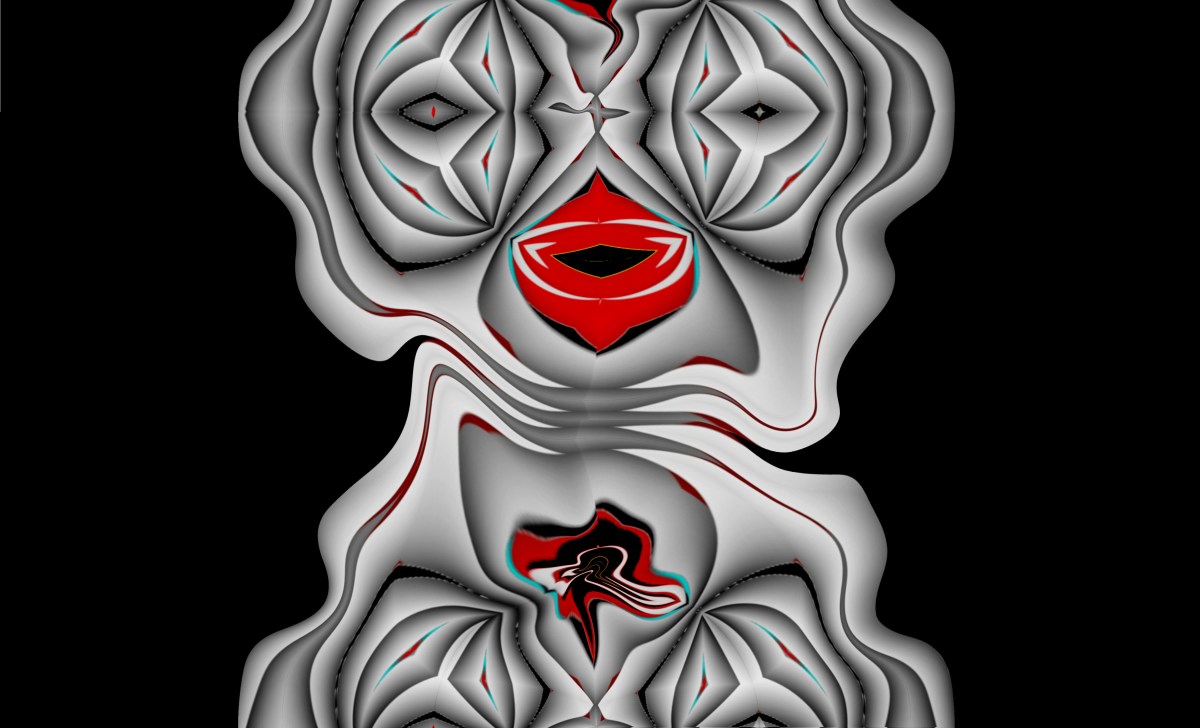
Grieving Ic by Edward Michael Supranowicz
What does a feeling look like when it turns symmetrical? Spend time with Edward Michael Supranowicz’s artwork, let its forms speak, and discover meaning by lingering with the image quietly.

Book Review: The Stress Book by Dr. D. Terrence Foster
If an octopus could text, juggle, cook, plan a future, soothe trauma, and still feel behind—would it read The Stress Book? You’ll find out why that’s relevant as you read on.
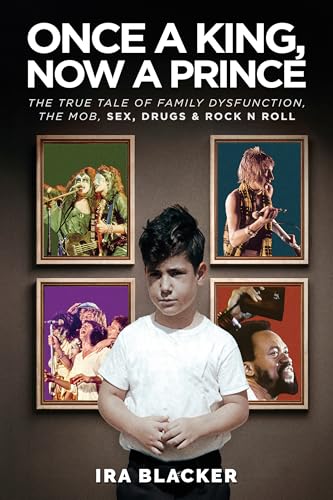
Once A King, Now A Prince by Ira Blacker
What happens when imagination becomes a survival skill instead of a pastime? Once A King, Now A Prince by Ira Blacker reveals the answer—if you’re willing to follow the journey.

 OneTribune