

What if the battle between life and death took the shape of courtship? Readers will discover how one poet transforms imagined illness and memory into lyrical fiction through this haunting collection.
Book Title and Author
Cancer Courts My Mother by LindaAnn LoSchiavo
Genre, Sub-genres, and Themes
Genre: Fictionalized Poetry
Sub-genres: Narrative Poetry, Confessional Poetry, Elegiac Poetry, Metaphorical Realism
Themes: Mortality, Caregiving, Mother–Daughter Relationship, Memory, Transformation, The Power of Art
Review
Some books tell the truth by inventing it. Cancer Courts My Mother is one such work—a fictionalized collection of poems that dares to imagine illness, love, and loss as a single intertwined story. LindaAnn LoSchiavo invites readers into a poetic world where Cancer is not only a disease but a suitor, coaxing, deceiving, and finally claiming his bride. The concept is bold, but it never feels contrived; it’s the perfect metaphor for the way illness invades both body and household.
The speaker, clearly drawn from the author’s inner life, acts as both caregiver and chronicler. Through her eyes, ordinary scenes—a plant being watered, a nurse’s visit, a sleepless night—become charged with tension and tenderness. The setting moves between domestic stillness and medical urgency, but what keeps the reader anchored is LoSchiavo’s discipline. Every line is deliberate. The rhythm alternates between the precision of formal verse and the freedom of lyrical speech, mirroring the unpredictable rhythm of decline.
This is not straightforward autobiography. LoSchiavo frames her story as fiction, granting herself the creative distance to turn pain into pattern. That decision elevates the book from confession to composition. The characters, though imagined, feel entirely real because the emotions that animate them—fear, guilt, devotion, and grace—are universal. Her mastery lies in transforming private grief into something communal and enduring.
Throughout the collection, images of plants and light reappear as symbols of fragile persistence. The daughter tends to her mother’s withering body as if it were a garden, clinging to life with ritual care. These metaphors expand the poems beyond one household, speaking to anyone who has tried to nurture what time insists on taking away. When remission arrives, it glows briefly, only to fade; still, beauty persists, and so does compassion.
LoSchiavo’s language is polished but never sterile. She draws on cinematic references, classical form, and even humor to illuminate the dark. The result is not a diary of suffering but a crafted sequence that reads like a lyrical play in miniature. It’s an experience that engages both heart and intellect.
Who is this book for? It is for readers who respect poetry that tells a story, who seek emotional truth delivered through imagination rather than confession. It is for those who know that art can sometimes explain what life cannot. It may not suit readers looking for escapism or pure entertainment; this is literature that asks to be felt and thought about.
In the end, Cancer Courts My Mother achieves what few collections do: it redefines the boundary between fiction and memory. LoSchiavo’s voice, poised between grief and gratitude, offers not consolation but clarity. Her imagined truth becomes everyone’s reality, proving that invention can sometimes be the most honest form of remembrance.
Content Warning: Contains emotionally intense depictions of illness, death, and grief presented in non-graphic, artistic form. Suitable for adult and mature teen readers comfortable with these themes.
Voyages of Verses Book Award

This book is a winner of the Voyages of Verses Book Award, a recognition for books that expand the horizon of what literature can achieve. We honor works that challenge preconceived notions, broaden worldviews, and celebrate the rich blend of voices that shape our global narrative. Whether it’s a novel that immerses you in a different culture, a collection of poems that captures the essence of shared humanity, or a nonfiction account that sparks critical thought, the Voyages of Verses Book Award celebrates stories that invite exploration and discovery.
We’d love to hear from you!
What are your thoughts on this piece? Share your insights in the comments below!
- What stood out to you most about this post?
- Have you read a book recently that relates to the themes discussed here?
- What’s your favorite takeaway or reflection from this write-up?
Let’s keep the conversation going—your thoughts make this space richer!
Disclaimer: The content on this site is provided for informational and inspirational purposes only. While we strive for accuracy, the views expressed in reviews, articles, and recommendations are subjective and may not reflect the opinions of all readers.
We receive complimentary copies of all books we review. However, this practice does not compromise the integrity or honesty of our reviews. Every write-up reflects the contributor’s genuine impressions and critical analysis, ensuring transparency and trust with our readers.
For a complete understanding of our practices, please refer to our full Disclaimer, Privacy Policy, and Terms of Service. These documents outline how we manage your information, ensure transparency, and uphold your rights as a user.
To request for a review, to nominate your favorite book for an award, or for more details about our awards, click here.
Other Stories
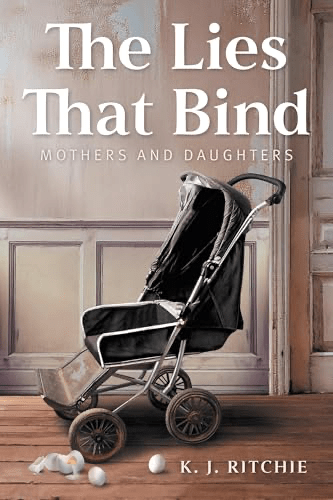
The Lies That Bind by K. J. Ritchie
What if the stories meant to protect us quietly taught us how to endure harm instead? This piece explores that unsettling question—read on to uncover how and why it matters.

The Art of Connection – Stories That Explore the Bonds That Shape Us
In a world filled with technology and rapid communication, true connection remains one of the most profound and elusive experiences. Literature offers us glimpses into the relationships that shape our lives—those that challenge, support, and transform us.

Review of The Sympathizer by Viet Thanh Nguyen
Viet Thanh Nguyen’s Pulitzer Prize-winning novel, The Sympathizer, is a masterful exploration of identity, loyalty, and the aftermath of war.

 OneTribune