

Genre: Creative Nonfiction
Sub-genres: Historical Analysis, True Crime, Sociology
Themes: Systemic breakdown, reform, accountability, human cost
Content Warning: Graphic depictions of violence and institutional neglect.
Have you ever wondered why systems we depend on sometimes fail spectacularly? This write-up explores how one book explains that mystery through the lens of an unforgettable real event.
Review:
Gibson’s Way Worse than Attica is not a tale to be consumed passively—it is an autopsy of an institution that collapsed under its own weight. Rather than offering a dramatized thriller, the author methodically unpacks causes, consequences, and overlooked warning signs.
Reading this book feels similar to examining a case study in a university lecture, but with human stakes so high they leave an impression far beyond the classroom. The pages highlight not only what went wrong, but why it mattered for families, officers, inmates, and policymakers.
The writing is dense yet accessible, grounded in interviews, reports, and archival detail. Those who love layered history, social critique, or systems analysis will find themselves immersed. On the other hand, readers seeking breezy storytelling or light entertainment will not find that here.
The book is less about shock and more about insight. It speaks to professionals in justice, policy, or education, but also to thoughtful readers who want to understand how society handles—or mishandles—its darkest responsibilities.
Global Spines Book Award

This book is a winner of the Global Spines Book Award, which honors exceptional works of literature that transcend borders and speak to universal human experiences. This award celebrates stories that connect readers across the globe, offering fresh perspectives and exploring the richness of cultural diversity. Each winning book reflects the spirit of Global Spines—stories that bridge gaps, foster understanding, and resonate with readers from all walks of life. By recognizing these powerful narratives, we aim to inspire deeper connections and celebrate the power of global storytelling.
We’d love to hear from you!
What are your thoughts on this piece? Share your insights in the comments below!
- What stood out to you most about this post?
- Have you read a book recently that relates to the themes discussed here?
- What’s your favorite takeaway or reflection from this write-up?
Let’s keep the conversation going—your thoughts make this space richer!
Disclaimer: The content on this site is provided for informational and inspirational purposes only. While we strive for accuracy, the views expressed in reviews, articles, and recommendations are subjective and may not reflect the opinions of all readers.
We receive complimentary copies of all books we review. However, this practice does not compromise the integrity or honesty of our reviews. Every write-up reflects the contributor’s genuine impressions and critical analysis, ensuring transparency and trust with our readers.
For a complete understanding of our practices, please refer to our full Disclaimer, Privacy Policy, and Terms of Service. These documents outline how we manage your information, ensure transparency, and uphold your rights as a user.
To request for a review, to nominate your favorite book for an award, or for more details about our awards, click here.
Other Stories

Reimagining Life Through Words and Service with Debra J. White
What happens when life’s hardest blows lead to unexpected purpose? Discover how Debra turned trauma, recovery, and rescued animals into writing and volunteer work that inspires resilience and connection.

The Half That Runs by Luz Schweig
What if your memories had a geography—one that kept shifting under your feet like sand? Discover how The Half That Runs by Luz Schweig maps identity—read the full piece.
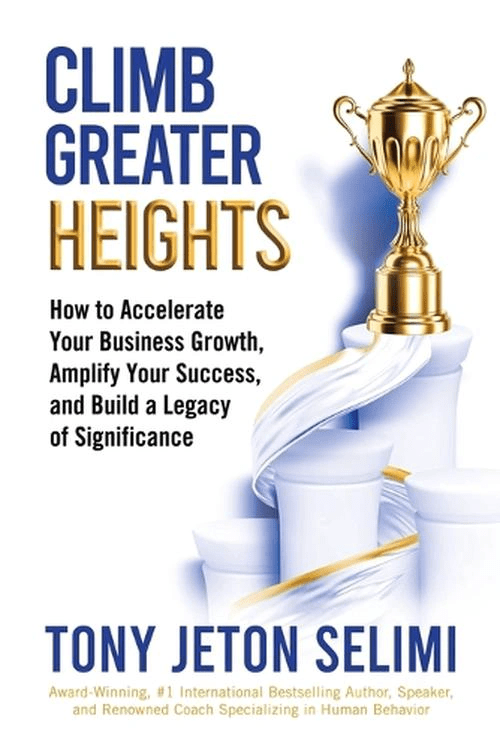
Book Review: Climb Greater Heights by Tony Jeton Selimi
What if your biggest business obstacle isn’t competition but something invisible within you? Discover the answer in Climb Greater Heights by Tony Jeton Selimi—read the full review to explore.

 OneTribune