Have you ever wondered if symmetry exists not only in nature but in the way our lives break, heal, and repeat? This collection dares you to find out.
Book Title & Author
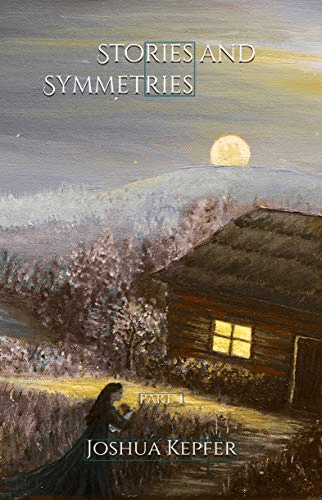
Stories and Symmetries by Joshua Kepfer
Genre, Sub-genres, Themes
- Genre: Literary Fiction / Short Story Collection
- Sub-genres: Contemporary realism, speculative fiction, allegorical fantasy, historical reflection
- Themes: Symmetry, morality, freedom, deception, resilience, family, hidden truths, cultural memory
Review
What if the human urge for symmetry extended beyond geometry and art into the way we tell stories? Joshua Kepfer’s Stories and Symmetries poses this question not with academic treatises but through the immediacy of fiction. From a father and son navigating danger in the wilderness, to a mechanic’s apprentice watching the blur of honesty and deception at an auto shop, to an enslaved people cursed by ancient enemies, the collection ranges far and wide while circling back to one premise: the repeating, echoing structures beneath human experience.
Reading these stories feels a little like holding a snowflake under a microscope. At first, there is chaos and detail—voices, places, struggles. Then, step back, and you notice patterns: halves mirroring, characters echoing archetypes, choices aligning across centuries. In “Mercy,” survival hinges on restraint. In “Auto Repair Shop,” persuasion becomes manipulation. In “Jezikri,” freedom costs more than courage. Each story refracts the others like facets of crystal, revealing how narrative symmetry might be less about perfection and more about inevitability.
Kepfer’s style is both economical and playful. Some pieces are designed with strict word counts, turning structure into part of the storytelling game. Others expand into novella-like depth, allowing worlds to breathe. One striking moment describes Armenia not through sweeping political lectures but through a single photograph of a child’s furious eyes. Neuroscience tells us that faces hold disproportionate sway in memory; Kepfer leverages that fact, ensuring the image burns deeper than lists or statistics could.
What makes this collection compelling is not only variety, but balance. Just when a story turns dark—hinting at betrayal, loss, or violence—another surprises with humor, tenderness, or sly irony. This oscillation mirrors the rhythms of life: pain and relief, laughter and mourning. Symmetry here is not sterile perfection but lived tension.
Who is this book for? Readers who enjoy short bursts of narrative that linger longer than expected. Those fascinated by allegory and symbolism, but also those who relish sharp, modern dialogue and everyday settings. Who might not find it their cup of tea? Anyone seeking light escapism alone; these stories invite thought, sometimes discomfort, and often self-reflection.
Why does this matter? Because literature has long been humanity’s laboratory for testing patterns of behavior. Psychologists note that humans are “pattern-hungry” creatures. We see faces in clouds, we chart cycles in history, we predict endings in stories. Stories and Symmetries rewards that instinct, offering not just tales but tessellations of meaning.
To read this book is to be reminded that symmetry is not about perfection. It is about seeing the hidden order in the mess, and perhaps, finding the courage to confront it.
Content Warning: Some stories depict violence, physical harm, and historical atrocities.
Beyond Boundaries Reads Book Award
This book is a winner of the Beyond Boundaries Reads Book Award. The award honors exceptional works of literature that transcend borders—geographical, cultural, and imaginative. This award celebrates stories that connect us, foster empathy, and highlight universal themes while amplifying diverse voices from around the world. Spanning fiction, nonfiction, poetry, and youth literature, it recognizes books that inspire, challenge, and deepen our understanding of the global human experience.
We’d love to hear from you!
What are your thoughts on this piece? Share your insights in the comments below!
- What stood out to you most about this post?
- Have you read a book recently that relates to the themes discussed here?
- What’s your favorite takeaway or reflection from this write-up?
Let’s keep the conversation going—your thoughts make this space richer!
Disclaimer: The content on this site is provided for informational and inspirational purposes only. While we strive for accuracy, the views expressed in reviews, articles, and recommendations are subjective and may not reflect the opinions of all readers.
We receive complimentary copies of all books we review. However, this practice does not compromise the integrity or honesty of our reviews. Every write-up reflects the contributor’s genuine impressions and critical analysis, ensuring transparency and trust with our readers.
For a complete understanding of our practices, please refer to our full Disclaimer, Privacy Policy, and Terms of Service. These documents outline how we manage your information, ensure transparency, and uphold your rights as a user.
To request for a review, to nominate your favorite book for an award, or for more details about our awards, click here.
Other Stories
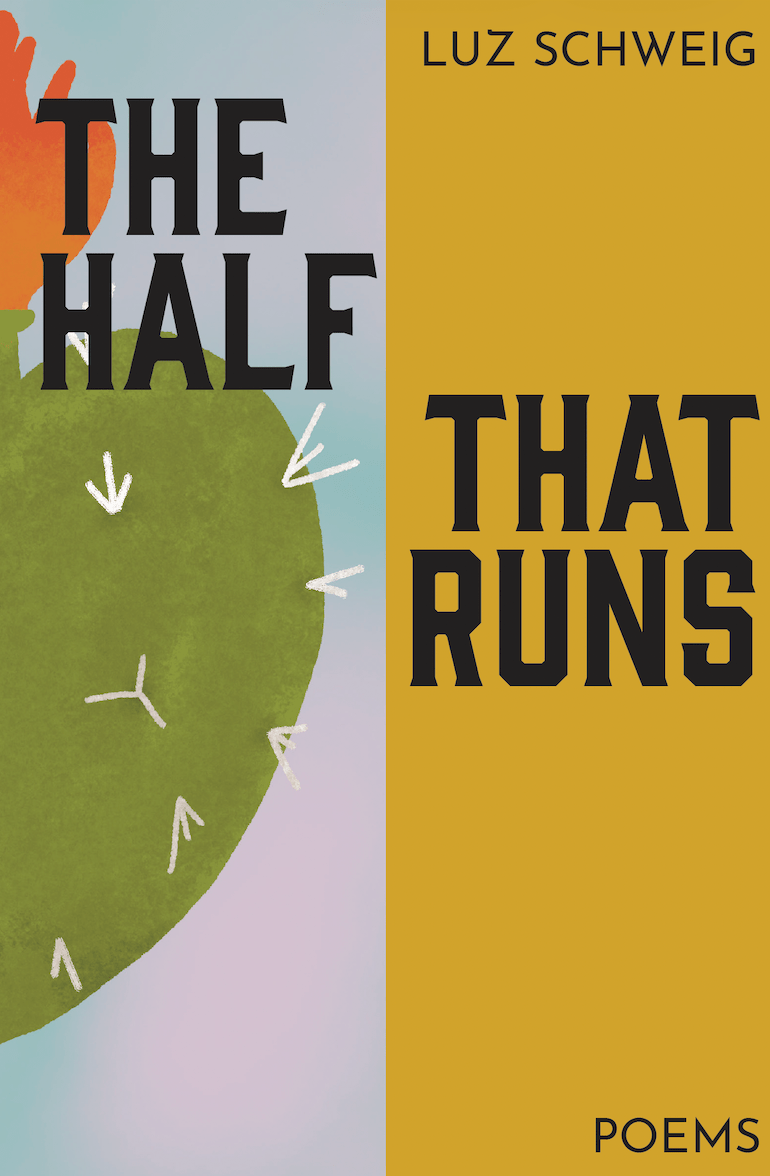
The Half That Runs by Luz Schweig
What if your memories had a geography—one that kept shifting under your feet like sand? Discover how The Half That Runs by Luz Schweig maps identity—read the full piece.
Book Review: Climb Greater Heights by Tony Jeton Selimi
What if your biggest business obstacle isn’t competition but something invisible within you? Discover the answer in Climb Greater Heights by Tony Jeton Selimi—read the full review to explore.
Review of The Sound of an Ordinary Life by Alis Cerrahyan
There are many ways to tell the story of a life. Some choose grand narratives, sweeping arcs of triumph and tragedy. Others, like The Sound of an Ordinary Life, find meaning in the quiet spaces, the moments that seem small but carry the entire weight of a person’s existence.
 OneTribune