Genre: Non-fiction
Sub-genres: Sociology, Philosophy, Global Studies
Themes: Collective identity, environmental limits, cultural conditioning, rethinking leadership
Content note: Contains reflective discussion of war and politics without graphic detail
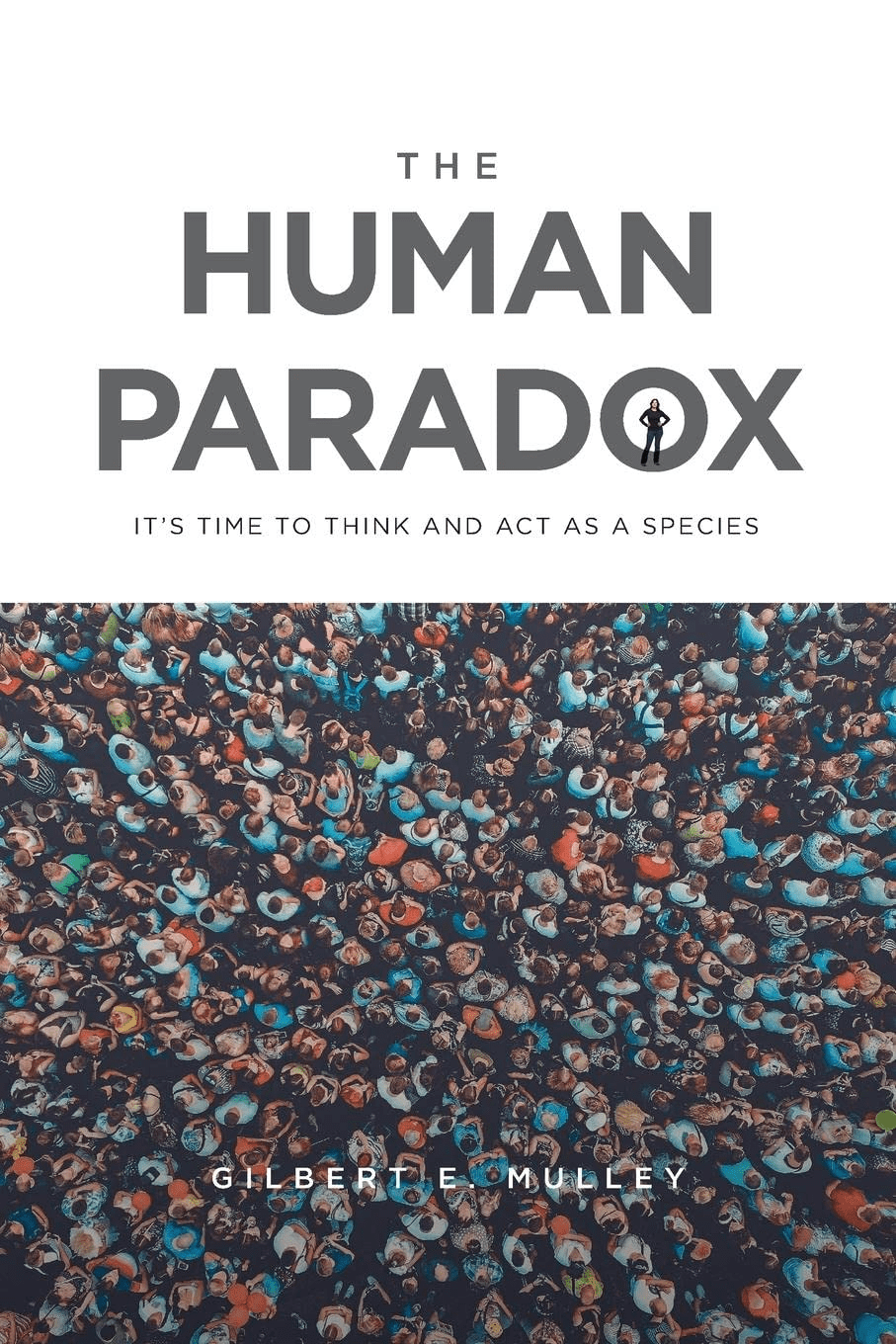
The book does not open with solutions but with a provocation: what if everything we argue about is a distraction from the one thing we have never tried—thinking as a species? From that point forward, the author tugs at the loose threads of everyday life, from childhood memories to national rituals, until the reader begins to see how much of modern existence is woven from habits we never questioned.
This is not a book about self-improvement; it is about the unsettling shift that comes when one realizes that the same DNA structure that allows you to breathe is also the reason someone across the planet wants the same things you do. Mulley doesn’t shout these points; he demonstrates them through contrasts. He moves between a quiet Sunday drive as a boy, the noise of a base camp in Vietnam, and the eerie calm of realizing that nature—not us—is the most unrelenting authority in the room.
There is no rush to convince. Instead, the writing acts like a long walk where each step takes you a little farther from the default lens of “me and mine” and a little closer to the almost uncomfortable idea of “all of us.” Those who look for neat answers might find that frustrating, but those who are curious about why our shared biology and shared planet seem invisible in the public conversation will recognize that this text is more map than manifesto.
It is not a manual for optimists or pessimists; it is a call to anyone willing to let go of the illusion that survival and flourishing can be managed alone.
Excellence in Literature Award
The Excellence in Literature Award is a tribute to the timeless power of storytelling. We recognise works that transcend fleeting trends—books that resonate deeply and linger long after the final page. Whether bold and boundary-breaking or quietly powerful, these stories reflect true literary excellence.
This award encompasses a wide literary landscape—from genre fiction to poetic reflections, from contemporary gems to historical epics. At its heart, it celebrates writers who demonstrate mastery, originality, and the ability to connect with readers on a meaningful level.
We’d love to hear from you!
What are your thoughts on this piece? Share your insights in the comments below!
- What stood out to you most about this post?
- Have you read a book recently that relates to the themes discussed here?
- What’s your favorite takeaway or reflection from this write-up?
Let’s keep the conversation going—your thoughts make this space richer!
Disclaimer: The content on this site is provided for informational and inspirational purposes only. While we strive for accuracy, the views expressed in reviews, articles, and recommendations are subjective and may not reflect the opinions of all readers.
We receive complimentary copies of all books we review. However, this practice does not compromise the integrity or honesty of our reviews. Every write-up reflects the contributor’s genuine impressions and critical analysis, ensuring transparency and trust with our readers.
For a complete understanding of our practices, please refer to our full Disclaimer, Privacy Policy, and Terms of Service. These documents outline how we manage your information, ensure transparency, and uphold your rights as a user.
To request for a review, to nominate your favorite book for an award, or for more details about our awards, click here.
Other Stories

Reimagining Life Through Words and Service with Debra J. White
What happens when life’s hardest blows lead to unexpected purpose? Discover how Debra turned trauma, recovery, and rescued animals into writing and volunteer work that inspires resilience and connection.
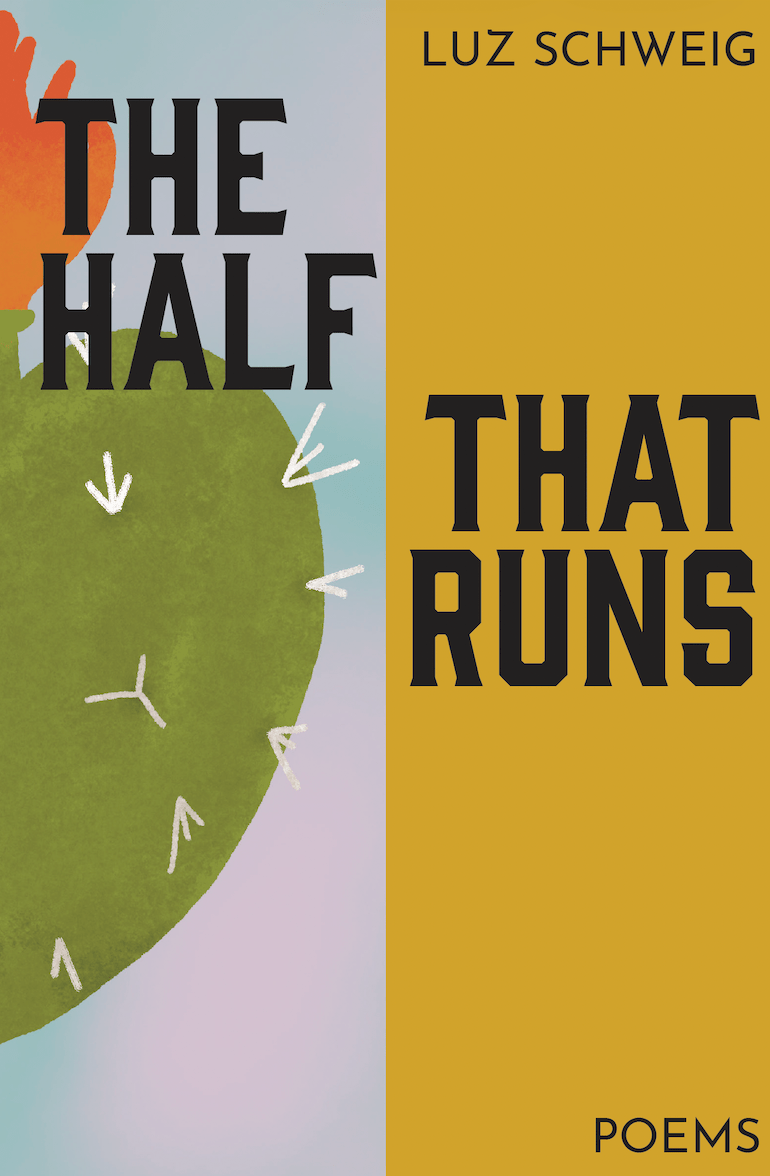
The Half That Runs by Luz Schweig
What if your memories had a geography—one that kept shifting under your feet like sand? Discover how The Half That Runs by Luz Schweig maps identity—read the full piece.
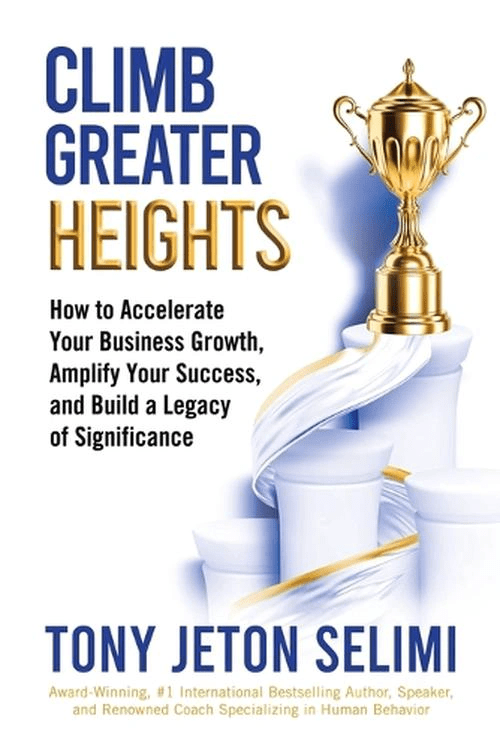
Book Review: Climb Greater Heights by Tony Jeton Selimi
What if your biggest business obstacle isn’t competition but something invisible within you? Discover the answer in Climb Greater Heights by Tony Jeton Selimi—read the full review to explore.

 OneTribune